


This first post will be expanded as more information is pooled in.
Harmine
AKA Telepathine; 7-methoxy-1-methyl-9H-pyrido[3,4-b]indole
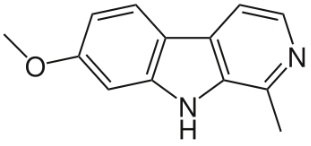
Harmine chemical and physical properties
Pharmacology of harmine (Trout's notes on ayahuasca)
Reported natural sources (Trout's notes on ayahuasca)
Analysis:
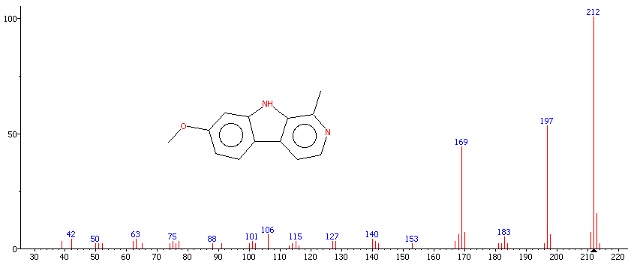
(NIST Database)
Harmine N-Oxide
CAS: 57498-78-9
MW 228.50
Alkaloid isolated from Banisteriopsis caapi 0.0005% (by dry weight?) in stem & leaf. (Hashimoto & Kawanishi 1975 apud Trout's Notes on Ayahuasca)
Harmaline
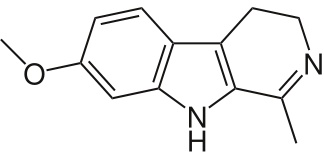
Harmaline chemical and physical properties
Reported plant sources (Trout's notes on ayahuasca)
Pharmacology of harmaline (Trout's notes on ayahuasca)
Analysis:
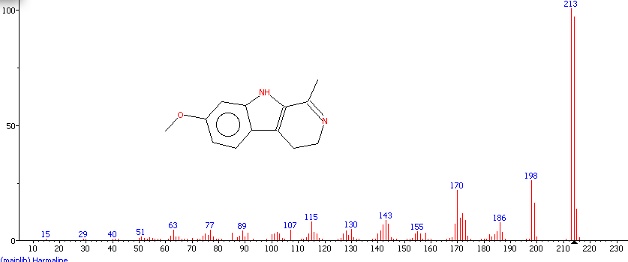
(NIST Database)
THH
AKA Leptoflorine; Tetrahydroharmine; 7-methoxy-1-methyl-2,3,4,9-tetrahydro-1H-pyrido[3,4-b]indole
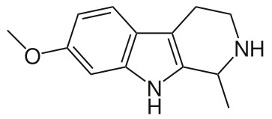
MW: 216.278940 g/mol
Pharmacology
Trout's Notes on ayahuasca
It appears THH does NOT orally activate DMT (Bioassay experiment with pure THH).
Chemistry
Colorimetric reagent results
THH chemical and physical properties
Analysis:
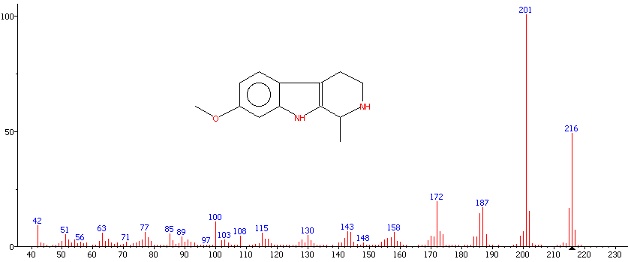
(NIST database)
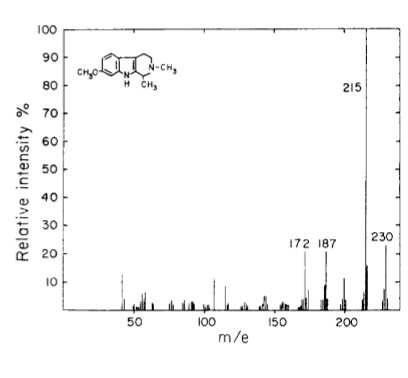
2-Methyl-THH
AKA: 1,2-Dimethyl-7-Methoxy-1,2,3,4-Tetrahydro-β-Carboline
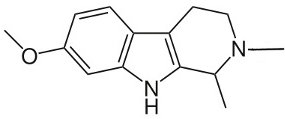
Analysis: (Agurell et al 1969)
Tetrahydroharman
AKA 1-Methyl-Tetrahydro-β-Carboline; MTHBC
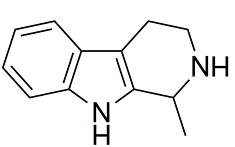
Plant sources: Diplopterys cabrerana (Agurell et al 1968 ), Acacia mucronata and acuminata (Acacia analysis thread)
Analysis:
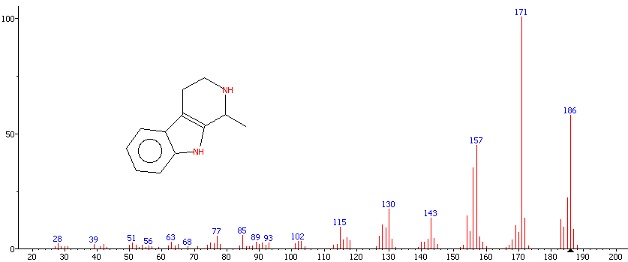
(NIST database)
2-MTHBC
AKA 2-Methyl-Tetrahydro-β-Carboline; 2-methyl-1,2,3,4-tetrahydro-beta-carboline
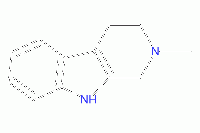
Natural sources: Found in Psychotria viridis and ayahuasca brew (McIlhenny et al 2009). Found in jungle spice/Mimosa hostilis, as well as different Acacias (Acacia analysis thread; Jungle Spice analysis thread). It has also been found in different Phalaris (Phalaris analysis thread; Gander et al, 1976). Also check the dedicated 2-MTHBC discussion thread for more info.
Analysis
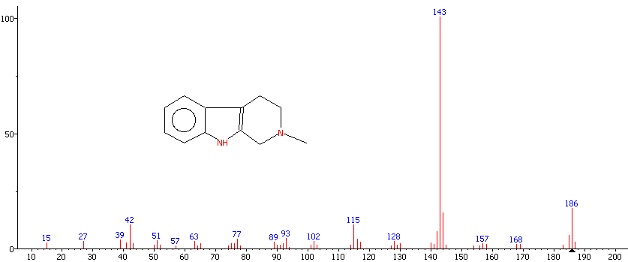
(NIST database)
Leptocladine
AKA Nb-Methyltetrahydroharman; 1,2-Dimethyl-Tetrahydro-β-Carboline; 1,2-DMTHBC
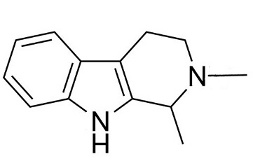
Harman
AKA Harmane; 1-methyl-9H-pyrido[3,4-b]indole
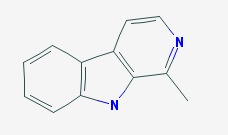
Natural sources: Found in different food and tobacco smoke (Herraiz 2004). Found in different Passiflora spp (Rehwald et al 1995; Slaytor et al 1968; Passiflora thread). It has also been found in several other plants including the leaves of Uncaria attenuata ssp. attenuata, Uncaria orientalis, Uncaria canescens spp canescens (Phillipson and Hemingway 1975) and the roots of Strychnos usambarensis (Angenot et al 1975)
It's also an endogenous substance present in mammalian metabolism including humans (Robinson et al 2003)
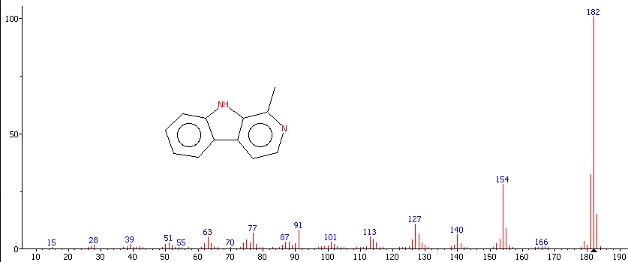
Analysis:
1,2-dimethyl-6-methoxy-1,2,3,4-tetrahydro-β-carboline
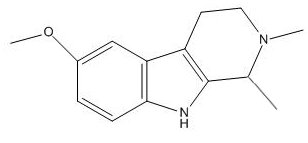
Plant sources: Anadenanthera peregrina (Agurell et al 1969)
Analysis: (Agurell et al 1969)
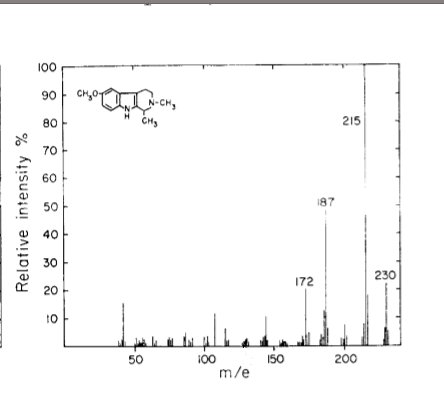
2,9-dimethyl-6-methoxy-1,2,3,4-tetrahydro-β-carboline
AKA DMTHC
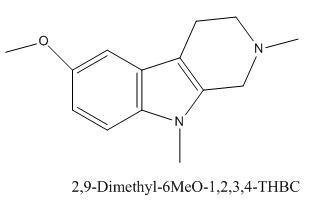
Plant sources: Some Phalaris spp. (Festi and Samorini 1994)
2-Methyl-6-methoxy-1,2,3,4-tetrahydro-β-carboline
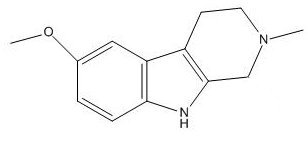
Analysis:
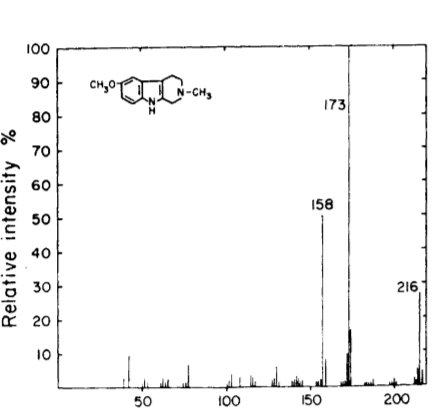
(Agurell et al 1969)
Chemistry:
Formed by picted-spengler ciclization on 5-MeO-NMT (Agurell et al 1969)
Plant sources: Anadenanthera peregrina (Agurell et al 1969); Some Phalaris spp. (Festi and Samorini 1994)
6-Methoxy-Tetrahydro-1-Norharmanone
AKA 2,3,4,9-tetrahydro-6-methoxy-1H-Pyrido[3,4-b]indol-1-one

MW: 216
CAS#: 17952-87-3
Analysis: (NIST database)

Ketotetrahydronorharmine
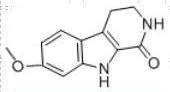
CAS: 26579-69-1
C12H12N2O2
Mass 216.2359; Exact mass 216.089877638
IUPAC name: 7-methoxy-1H,2H,3H,4H,9H-pyrido[3,4-b]indol-1-one
Appearance: White needles from CHCl3 and MeOH
mp 197-198 °C (dec.)
MS: m/e 216 (100), 201 (23), 187 (35) and 159 (90). M+ found at 216.088, calc'd at 216.090.
UV λmax (MeOH): 249 (log ε 4.41) and 314 (4.29) nm
IR νmax (Nujol): 3100-3400, 1660, 1625: 1540, 1517, and 1513 cm^-1
1H NMR: δ 2.76-3.08 (2-H, m, H-3 or H-4), 3.39-3.73 (2-H, m, H-4 or H-3), 3.79 (3-H, s, OMe), 6.76 (1-H, q, J = 0.7 Hz; H-6), 6.92 (1-H, d, J = 2.1 Hz; H-8) 7.51 (1-H, q, J = 8.8 Hz; H-5), 7.39 (1-H, b, lactamic NH), and 11.38 (1-H, b, indolic NH)
Present in Banisteriopsis caapi at 0.0005%.
Found in B. caapi at 0.0005%. (Hashimoto & Kawanashi 1976), found in significant quantity (14% of chemical content) in ourinhos analysis (B caapi analysis thread)
Pinoline
AKA: 6-Methoxy-Tetrahydro-β-Carboline
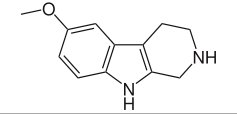
Analysis: (NIST database)
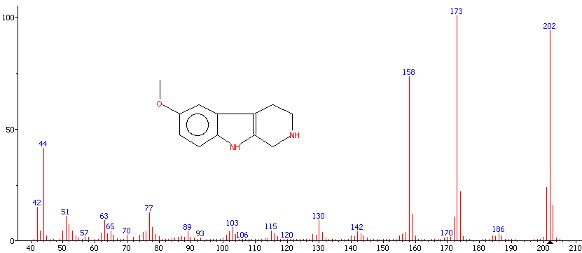
Natural sources: Pinoline is a part of human metabolism and is synthesized by the pineal gland
Others to add: harmalol, harmol, tryptoline, tetrahydronorharmine, harmic acid methylester, harmalinic acid, harmic amide, acetyl norharmine, norharman
References
Agurell, S. et al. (1968 ) American Journal of Pharmacy 140: 148-151. "Alkaloid Content of Banisteriopsis Rusbyana." [Stig Agurell, Bo Holmstedt & Jan-Erik Lindgren]
Agurell et al 1969. Alkaloids in certain species of Virola and other south american plants of ethnopharmacologic interest. Download link
Gander et al 1976 The occurrence of 2-methyl-1,2,3,4-tetrahydro-β-carboline and variation in alkaloids in Phalaris arundinacea. Phytochemistry. Volume 15, Issue 5, 1976, Pages 737–738. Download link
McIlhenny E. et al (2009) Direct analysis of psychoactive tryptamine and harmala alkaloids in the Amazonian botanical medicine ayahuasca by liquid chromatography–electrospray ionization-tandem mass spectrometry" Journal of Chromatography A. Volume 1216, Issue 51, 18 December 2009, Pages 8960-8968 . Download link
Phillipson, J.D., Hemingway, S.R., 1975. Chromatographic and spectroscopic methods for the identification of alkaloids from herbarium samples of the genus Uncaria. J. Chromatography 105, 163–178.
Rehwald et al 1995 Trace analysis of harman alkaloids in passiflora incarnata by reversed-phase high performance liquid chromatography. Phytochemical Analysis Volume 6, Issue 2, pages 96–100, March/April 1995
Robinson et al 2003 Endogenous beta-carbolines as clonidine-displacing substances. Ann N Y Acad Sci. 2003 Dec;1009:157-66.Abstract link
Slaytor et al 1968. The biosynthesis and metabolism of harman in passiflora edulis—I : The biosynthesis of harman. Phytochemistry. Volume 7, Issue 4, April 1968, Pages 605–611
Trout's notes: Ayahuasca: alkaloids, plants & analogs. Online book
Harmine
AKA Telepathine; 7-methoxy-1-methyl-9H-pyrido[3,4-b]indole
Harmine chemical and physical properties
Pharmacology of harmine (Trout's notes on ayahuasca)
Reported natural sources (Trout's notes on ayahuasca)
Analysis:
(NIST Database)
Harmine N-Oxide
CAS: 57498-78-9
MW 228.50
Alkaloid isolated from Banisteriopsis caapi 0.0005% (by dry weight?) in stem & leaf. (Hashimoto & Kawanishi 1975 apud Trout's Notes on Ayahuasca)
Harmaline
Harmaline chemical and physical properties
Reported plant sources (Trout's notes on ayahuasca)
Pharmacology of harmaline (Trout's notes on ayahuasca)
Analysis:
(NIST Database)
THH
AKA Leptoflorine; Tetrahydroharmine; 7-methoxy-1-methyl-2,3,4,9-tetrahydro-1H-pyrido[3,4-b]indole
MW: 216.278940 g/mol
Pharmacology
Trout's Notes on ayahuasca
It appears THH does NOT orally activate DMT (Bioassay experiment with pure THH).
Chemistry
Colorimetric reagent results
THH chemical and physical properties
Analysis:
(NIST database)
2-Methyl-THH
AKA: 1,2-Dimethyl-7-Methoxy-1,2,3,4-Tetrahydro-β-Carboline
Analysis: (Agurell et al 1969)
Tetrahydroharman
AKA 1-Methyl-Tetrahydro-β-Carboline; MTHBC
Plant sources: Diplopterys cabrerana (Agurell et al 1968 ), Acacia mucronata and acuminata (Acacia analysis thread)
Analysis:
(NIST database)
2-MTHBC
AKA 2-Methyl-Tetrahydro-β-Carboline; 2-methyl-1,2,3,4-tetrahydro-beta-carboline
Natural sources: Found in Psychotria viridis and ayahuasca brew (McIlhenny et al 2009). Found in jungle spice/Mimosa hostilis, as well as different Acacias (Acacia analysis thread; Jungle Spice analysis thread). It has also been found in different Phalaris (Phalaris analysis thread; Gander et al, 1976). Also check the dedicated 2-MTHBC discussion thread for more info.
Analysis
(NIST database)
Leptocladine
AKA Nb-Methyltetrahydroharman; 1,2-Dimethyl-Tetrahydro-β-Carboline; 1,2-DMTHBC
Harman
AKA Harmane; 1-methyl-9H-pyrido[3,4-b]indole
Natural sources: Found in different food and tobacco smoke (Herraiz 2004). Found in different Passiflora spp (Rehwald et al 1995; Slaytor et al 1968; Passiflora thread). It has also been found in several other plants including the leaves of Uncaria attenuata ssp. attenuata, Uncaria orientalis, Uncaria canescens spp canescens (Phillipson and Hemingway 1975) and the roots of Strychnos usambarensis (Angenot et al 1975)
It's also an endogenous substance present in mammalian metabolism including humans (Robinson et al 2003)
Analysis:
1,2-dimethyl-6-methoxy-1,2,3,4-tetrahydro-β-carboline
Plant sources: Anadenanthera peregrina (Agurell et al 1969)
Analysis: (Agurell et al 1969)
2,9-dimethyl-6-methoxy-1,2,3,4-tetrahydro-β-carboline
AKA DMTHC
Plant sources: Some Phalaris spp. (Festi and Samorini 1994)
2-Methyl-6-methoxy-1,2,3,4-tetrahydro-β-carboline
Analysis:
(Agurell et al 1969)
Chemistry:
Formed by picted-spengler ciclization on 5-MeO-NMT (Agurell et al 1969)
Plant sources: Anadenanthera peregrina (Agurell et al 1969); Some Phalaris spp. (Festi and Samorini 1994)
6-Methoxy-Tetrahydro-1-Norharmanone
AKA 2,3,4,9-tetrahydro-6-methoxy-1H-Pyrido[3,4-b]indol-1-one
MW: 216
CAS#: 17952-87-3
Analysis: (NIST database)
Ketotetrahydronorharmine
CAS: 26579-69-1
C12H12N2O2
Mass 216.2359; Exact mass 216.089877638
IUPAC name: 7-methoxy-1H,2H,3H,4H,9H-pyrido[3,4-b]indol-1-one
Appearance: White needles from CHCl3 and MeOH
mp 197-198 °C (dec.)
MS: m/e 216 (100), 201 (23), 187 (35) and 159 (90). M+ found at 216.088, calc'd at 216.090.
UV λmax (MeOH): 249 (log ε 4.41) and 314 (4.29) nm
IR νmax (Nujol): 3100-3400, 1660, 1625: 1540, 1517, and 1513 cm^-1
1H NMR: δ 2.76-3.08 (2-H, m, H-3 or H-4), 3.39-3.73 (2-H, m, H-4 or H-3), 3.79 (3-H, s, OMe), 6.76 (1-H, q, J = 0.7 Hz; H-6), 6.92 (1-H, d, J = 2.1 Hz; H-8) 7.51 (1-H, q, J = 8.8 Hz; H-5), 7.39 (1-H, b, lactamic NH), and 11.38 (1-H, b, indolic NH)
Present in Banisteriopsis caapi at 0.0005%.
Found in B. caapi at 0.0005%. (Hashimoto & Kawanashi 1976), found in significant quantity (14% of chemical content) in ourinhos analysis (B caapi analysis thread)
Pinoline
AKA: 6-Methoxy-Tetrahydro-β-Carboline
Analysis: (NIST database)
Natural sources: Pinoline is a part of human metabolism and is synthesized by the pineal gland
Others to add: harmalol, harmol, tryptoline, tetrahydronorharmine, harmic acid methylester, harmalinic acid, harmic amide, acetyl norharmine, norharman
References
Agurell, S. et al. (1968 ) American Journal of Pharmacy 140: 148-151. "Alkaloid Content of Banisteriopsis Rusbyana." [Stig Agurell, Bo Holmstedt & Jan-Erik Lindgren]
Agurell et al 1969. Alkaloids in certain species of Virola and other south american plants of ethnopharmacologic interest. Download link
Gander et al 1976 The occurrence of 2-methyl-1,2,3,4-tetrahydro-β-carboline and variation in alkaloids in Phalaris arundinacea. Phytochemistry. Volume 15, Issue 5, 1976, Pages 737–738. Download link
McIlhenny E. et al (2009) Direct analysis of psychoactive tryptamine and harmala alkaloids in the Amazonian botanical medicine ayahuasca by liquid chromatography–electrospray ionization-tandem mass spectrometry" Journal of Chromatography A. Volume 1216, Issue 51, 18 December 2009, Pages 8960-8968 . Download link
Phillipson, J.D., Hemingway, S.R., 1975. Chromatographic and spectroscopic methods for the identification of alkaloids from herbarium samples of the genus Uncaria. J. Chromatography 105, 163–178.
Rehwald et al 1995 Trace analysis of harman alkaloids in passiflora incarnata by reversed-phase high performance liquid chromatography. Phytochemical Analysis Volume 6, Issue 2, pages 96–100, March/April 1995
Robinson et al 2003 Endogenous beta-carbolines as clonidine-displacing substances. Ann N Y Acad Sci. 2003 Dec;1009:157-66.Abstract link
Slaytor et al 1968. The biosynthesis and metabolism of harman in passiflora edulis—I : The biosynthesis of harman. Phytochemistry. Volume 7, Issue 4, April 1968, Pages 605–611
Trout's notes: Ayahuasca: alkaloids, plants & analogs. Online book


