Chance4373
Esteemed member
I'm new to posting here but not new to the art of vaporizing spice. This community has taught me so much that I thought I should give back, at least in a small way, by sharing my setup. Many great ROAs have been described on this forum so forgive me if none of this seems novel or new. I've found this setup delivers exact dosage every time and creates little guesswork. Additionally, with pure spice this setup results in almost no taste on inhale.
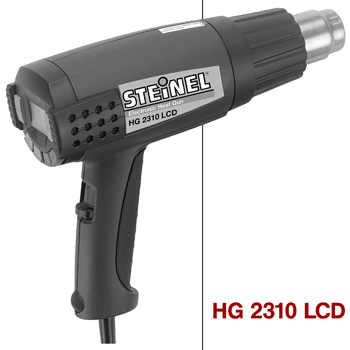
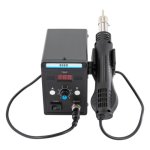
Required items are a torch lighter, Healthstone pipe, milligram scale, and a rework solder heat gun.
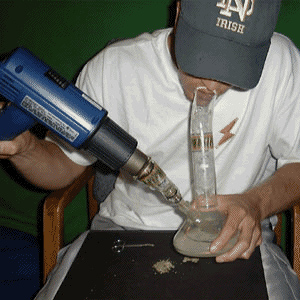
Weigh dose using milligram scale and transfer to the center of the Healthstone. Melt the spice using the torch lighter by aiming the flame toward the spice while keeping the flame 1/2" away from the material. The goal is to melt, not burn the spice so make sure the flame is not touching the material. You want to see all of the spice melt so it doesn't blow away while using the heat gun.
A good rework solder heat gun allows air flow and temperature to be controlled and has a stand that shuts the heating element off when the heat gun is returned to its base. Set airflow to between 50 and 100% and the temperature to 650F (approx. 340C). Once heat gun is up to temperature, point the tip into the stone roughly 4 or 5 mm above and inhale deeply as if trying to take a breath through the pipe. Vapor will start traversing the pipe then stops once all of the spice has vaporized. Hold in your lungs until you exhale no vapor (about 10 seconds). Done this way there is no taste just the feeling of warm air on inhale.
This method is nearly fool proof but it is not without risks. The heat gun is obviously designed to melt solder so only do this if you have someone with you to help in case you fumble putting it away. Alternatively, the torch lighter works as well but burnt spice becomes a possibility if the flame is held too close to the stone.
Many thanks to all of the psychonauts here that have shared their wisdom. Hopefully, someone finds the above info useful.
Cheers
Required items are a torch lighter, Healthstone pipe, milligram scale, and a rework solder heat gun.
Weigh dose using milligram scale and transfer to the center of the Healthstone. Melt the spice using the torch lighter by aiming the flame toward the spice while keeping the flame 1/2" away from the material. The goal is to melt, not burn the spice so make sure the flame is not touching the material. You want to see all of the spice melt so it doesn't blow away while using the heat gun.
A good rework solder heat gun allows air flow and temperature to be controlled and has a stand that shuts the heating element off when the heat gun is returned to its base. Set airflow to between 50 and 100% and the temperature to 650F (approx. 340C). Once heat gun is up to temperature, point the tip into the stone roughly 4 or 5 mm above and inhale deeply as if trying to take a breath through the pipe. Vapor will start traversing the pipe then stops once all of the spice has vaporized. Hold in your lungs until you exhale no vapor (about 10 seconds). Done this way there is no taste just the feeling of warm air on inhale.
This method is nearly fool proof but it is not without risks. The heat gun is obviously designed to melt solder so only do this if you have someone with you to help in case you fumble putting it away. Alternatively, the torch lighter works as well but burnt spice becomes a possibility if the flame is held too close to the stone.
Many thanks to all of the psychonauts here that have shared their wisdom. Hopefully, someone finds the above info useful.
Cheers