• Members of the previous forum can retrieve their temporary password here, (login and check your PM).

Research Leonurine extraction from Leonurus japonicus

Research done by (or for) the DMT-Nexus community

Ikarus42069

Rising Star
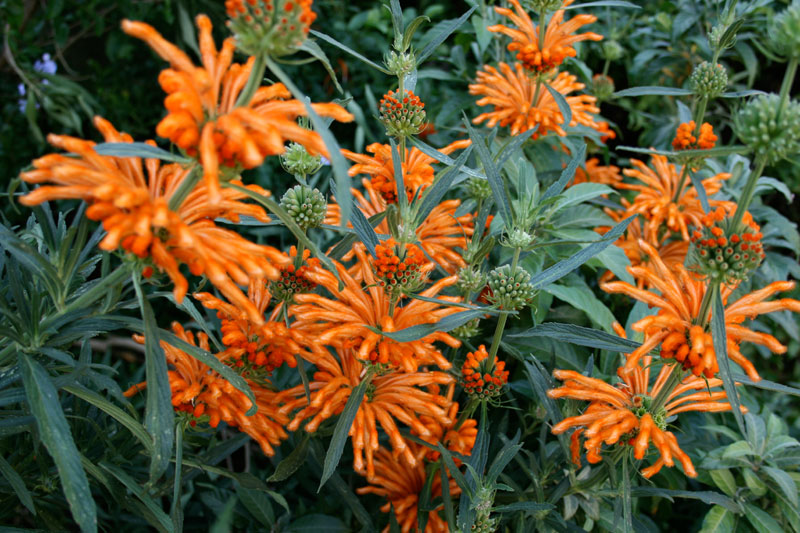
Leonurus Japonicus grows wild where i live, so i tried doing a simple extraction based on some info i found online, sorry i didn't weight anything because i didn't really have hope, first i crushed a bunch of flowers and small leaves, added about 500 ml of hot but not boiling demineralized water to the flowers and let rest for about 5 minutes, then i filtered the solids, tried a small defat with a comercial mix of industrial organic solvents that does evap completely, then disolved citric acid was added until it changed color and a bunch of yellowish/beige precipitate started appearing, does anyone know what else other than leonurine hydrocloride it could be? any info would be greatly appreciated, will post pics once the precipitate is filtered and dried, Thanks.
 
Hi, welcome and thanks for sharingl

Were you following an established extraction procedure for leonurine? A bit of a search of the scientific literature should be productive in that respect.

Meanwhile, the precipitate could be impure calcium/magnesium citrate for all we know, although the coloration could be considered a tentatively positive sign.

Your next steps ought to include presumptive reagent testing, TLC, and sending a sample for analysis.
 
I don't mean to lead this thread off topic but what do yous think of
Wild Dagga as an MAOI? As a DMT activator for ayuahuasca analogs?


products-wilddagga1.jpg

Wild Dagga (Leonotis leonurus)

Common Names: Dacha, Daggha, Lion’s Tail, Wild Hemp.

Method of Use: Smoke, Chew, Tea

Classification: Hypnotic, Sedative
Classification: Hallucinogen
Classification: Stimulant

Drug Effects: History of use in S Africa as a cannabis
substitute. The foliage is commonly made into a medicinal
tea, which is favored for the hypnotic focus it gives

Short Term Effects: Calming, euphoric marijuana-like
experience, higher appreciation of soft things, relaxing of
muscles & CNS, reduce fatigue

Long Term Effects: Anti-rheumatic, expectorant, vermifuge, antispasmodic, antihistamine

Negative/Overdose Risk: Diarrhea, dizziness, nausea, sweat inducing

Dependency: For some people can be as addictive as tobacco

Withdrawal: No real withdrawal symptoms

Active Constituents: (E)-Beta-Farnesene, (E)-Beta-Ocimene, (Z)-Beta-Farnesene, (Z)-Beta-Ocimene, 2-Pentyl-
Furan, Allo-Ocimene, Alpha-Cadinol, Alpha-Copaene, Alpha-Cubebene, Alpha-P-Dimethyl-Styrene, Alpha-Pinene,
Alpha-Thujene, Beta-Bourbonene, Beta-Caryophyllene, Beta-Cubebene, Beta-Myrcene, Borneol, Calamenene,
Caryophyllene-Oxide, Delta-Terpineol, Gamma-Muurolene, Leonitin, Leonurine, Limonene, Linalol, Marrubiin,
P-Cymen-8-Ol, P-Cymene, Premarrubiin, Quinones, Resin, Sabinene, Saponin, Spathulenol, Tannins.

Contraindications / Interactions: Not recommended for use by pregnant women

Info from Psychoactive Substances: A Guide to Ethnobotanical Plants and Herbs, Synthetic Chemicals, Compounds and Products


MAOI:

Family Species Plant part Extract Non-selective MAO inhibition IC50 (μg/ml)a Selective MAO-B inhibition IC50 (μg/ml)a,b


Leonotis leonurus Leaf Water 1110 ± 147 345 ± 399
Leaf Ethanol 63 ± 12 nt


a
IC50 and standard error calculated using Grafit 5 (© Erithacus Software Limited). Extract concentration in (μg/ml) and standard reference drugs in nanomolar.
b
Activity not detected — nd, extract not tested — nt.

Monoamine oxidase inhibition by southern African traditional medicinal plants
https://www.sciencedirect.com/science/article/pii/S0254629907002128#tblfn1
 
Back
Top Bottom