• Members of the previous forum can retrieve their temporary password here, (login and check your PM).

Naphta Brands (DMT Extraction)

lurkinsafe

Rising Star
Is the brand of Naphta of importance? I live in the EU and have access to Zippo lighter fluid, and allies. Is it really such a bad thing to use Zippo fluid? If so what would be a brand of Naphta I could use here in the EU?

Thanks
 
It's generally an expensive way to buy it and some people don't like Zippo brand fluid. In most countries you can get naptha cheaper for some other purposes, like for thinning paint or preparing surfaces for paint, camping stoves, etc. the best thing to look for is different in different EU countries.
 
Last edited:
Ok well I don't have the palette to taste Zippo Naphta off extracted crystals that I will vaporize anyway. Its easiest for me to buy and I can afford to be slightly less than efficient. Thank you for the input, it's weight off my shoulders.
 
Do an evap test on whatever you use, don't use if it does not pass the test.
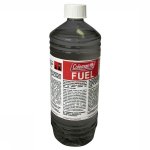
I am in a EU country and have used Coleman Fuel. The bottle I used passed two evap tests perfectly; but do an evap test on every single bottle you get.
 

Attachments

  • 1473xx0016_0101_20_be.jpg
    1473xx0016_0101_20_be.jpg
    64.2 KB · Views: 14
Is the brand of Naphta of importance? I live in the EU and have access to Zippo lighter fluid, and allies. Is it really such a bad thing to use Zippo fluid? If so what would be a brand of Naphta I could use here in the EU?

Thanks
I learned from a chemist that all the industrial grade solvents have additional hydrocarbons and other impurities. Lab grade Naptha has made a difference in my outcome it pulls less junk. Past that I vaccum purge to completely rid my product of solvents and if you are using pure Naptha you can be sure a temp of 37 C will evaporate all residue at 100bars of vac. (2-3 hours) If there are impurities in your industrial solvent, these might evaporate at different temperatures.
 
Do an evap test on whatever you use, don't use if it does not pass the test.
I am in a EU country and have used Coleman Fuel. The bottle I used passed two evap tests perfectly; but do an evap test on every single bottle you get.
If you want a real evap test: weigh your dried end product with a MG precise scale. Vacuum in oven or rotary and weigh again. You might notice you lose small amounts that might seem inconsequential but if added up mean you are ingesting crap.
 
Do an evap test on whatever you use, don't use if it does not pass the test.
I am in a EU country and have used Coleman Fuel. The bottle I used passed two evap tests perfectly; but do an evap test on every single bottle you get.
Awesome I called a bunch of camping shops and they have it. The stuff in the red bottle is what you use? Because there is another kind in a small cistern, also coleman...
 
Awesome I called a bunch of camping shops and they have it. The stuff in the red bottle is what you use? Because there is another kind in a small cistern, also coleman...
The plastic black bottle with a white cap; I attached a picture of it in my previous post. Have not tried others, but I remember some bad reviews about other coleman fuel products.
Edit: It's a 1l bottle.
 
Last edited:
Awesome I called a bunch of camping shops and they have it. The stuff in the red bottle is what you use? Because there is another kind in a small cistern, also coleman...
They are likely to be able to provide you with the technical datasheet for it if you ask. There it will say if it has any additives.
 
Why bother with naphta?

I am from Europe and first started with naphta, indeed colemann fuel was regared to be cleanest source of naphta. Worked fine. (This was 22 years ago, don't know if the composition has changed or is different in different countries)

Then switched to low BP and high BP petroleum-ether, maybe has less impurties, not sure though? Probably different sources have more or less impurities also.

But maybe ideally I believe n-hexane is generally best? (Or maybe hexane or heptane for freeze-precipation and pentane or hexane for crystallisation via evaporation, so if you can have only one solvent choose hexane or probably better N-hexane).

I think everyone can buy this everywhere? and you probably have to worry less about impurities like cyclo-alkanes pulling gunk.

Correct me if I am wrong please?
 
Hexane is very toxic, it's better to go with heptane AFAIK.
Let's be clear, it's not acutely toxic like hydrogen cyanide, but it is a chronic neurotoxin. Nor is it a persistent cumulative poison like dimethyl mercury. A small, one-off exposure is unlikely to produce any significant harm. The damage is proportionate to amount, frequency and length of exposure.

Safe use of hexane in a laboratory setting is a simple matter. Edit: I'd still recommend heptane for domestic use.
 
Last edited:
Let's be clear, it's not acutely toxic like hydrogen cyanide, but it is a chronic neurotoxin. Nor is it a persistent cumulative poison like dimethyl mercury. A small, one-off exposure is unlikely to produce any significant harm. The damage is proportionate to amount, frequency and length of exposure.

Safe use of hexane in a laboratory setting is a simple matter.
Thank you for the clarification, I thought it could be harmful from a single (not extreme) exposure already.
 
Naptha is a problematic solvent because it doesnt refer to any specific compound or mixture. It's essentially a catch-all term for a hydrocarbon mixture that burns to H2O & Carbon Dioxode. As it's used as lighter/camping fuel, this is really the only applicable definition/qualifier, so really any hydrocarbon mixture that burns cleanly as such can be sold as "Naptha". So, some are cleaner/simpler than others, some have very complex mixtures of different hydrocarbons with different properties, leading to unforseen issues in solubility, evaporation, and separation.

Avoid zippo branded fluid, in my experience this contains additives that make it unsuitable for extraction.

The best source IME has always been Ronsonol Lighter Fuel, that's what I would recommend if it's available. I believe it's one of the very few brands which do not have additives, I believe it's just a pure hydrocarbon mixture.

Regarding Coleman Fuel/White Gas, it can work, but it has additives as well. From Wikipedia: "Coleman fuel, and other white gases, contain additives for inhibiting rust, ease of lighting, and fast burning.". It's not clear what these additives are or if they will remain in the final product. It's not likely to cause too much harm but it's still worth considering when choosing a solvent.

You can also call any manufacturer to inquire about any additives or materials not listed on the bottle, they *should* provide a clear list of ingredients when asked. (I think i did this to confirm the purity of Ronsonol many years ago)

 
Last edited:
Back
Top Bottom