


So I've been volunteering at a native nursery recently and today I found a very intriguing plant which I felt compelled to take under my wing. it was called Daviesia Latifolia and is an Australian plant belonging the the genus "Daviesia" which is part of the family Fabaceae. Interestingly, this genus - like the acacia - does not have leaves, but rather phyllodes (stem extensions).. so I wondered whether this group of plants shared any potentially interesting chemical qualities with the acacia genus.
I jumped on the net and started looking for alkaloid screening of the Daviesia genus- which I found next to nothing on apart from apart from an alkaloid screening undergone in western australia which mentioned Daviesia Croniniana and Daviesia Nudiflora (without details of alkaloids found) [Distribution of alkaloids in some Western Australian Plants - T.E.H Aplin and J.R. Cannon]
Another study mentioned an Apiosylglucose Dibenzoate alkaloid isolated from Daviesia Latifolia though I could find no info on anything about this alkaloid.
I decided to start this thread in hope that either people could link anaysis of this genus as well as hopefully encourage people to do some research and testing of their own.
Due to the lack of available info regarding chemical makeup of this genus I feel I should warn people interested in testing these plants not to attempt ingesting this plant orally or via vapor - but rather have any extracts analysed via tlc or other analysis that does not involve ingestion of unknown chemicals...
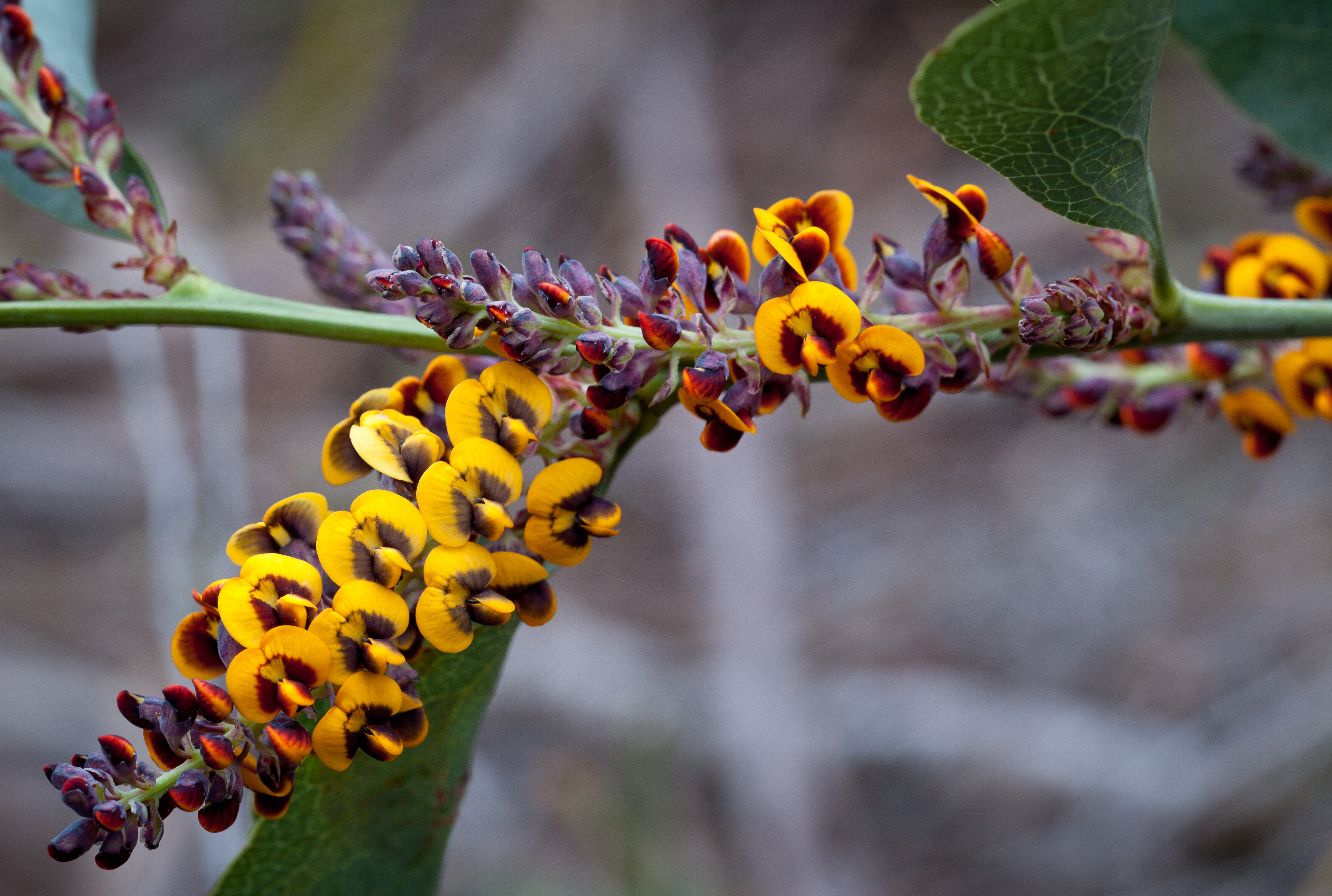
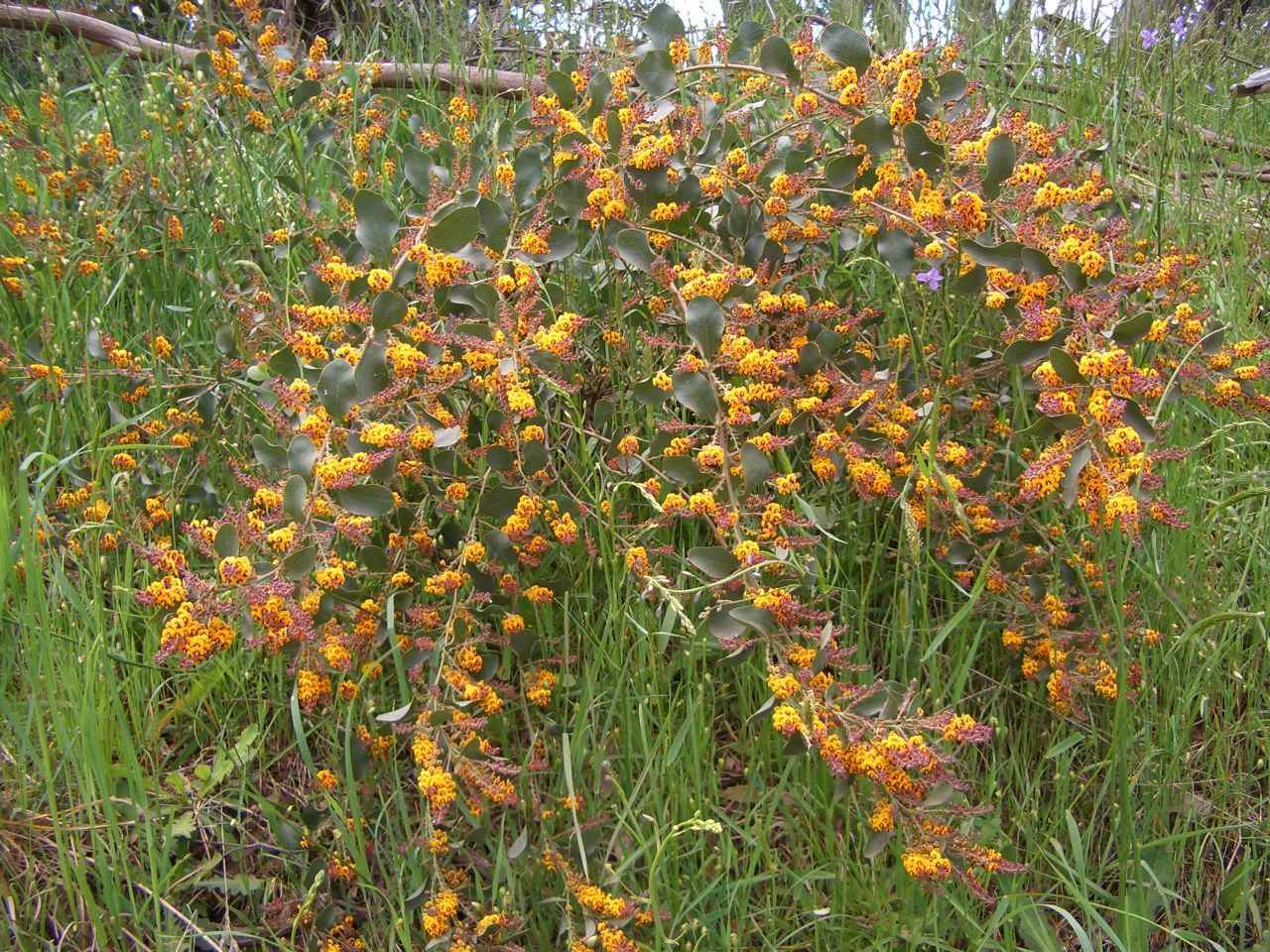
below, Daviesia Latifolia (first 3 images), Daviesia Nudiflora and Daviesia Ulicifolia



I jumped on the net and started looking for alkaloid screening of the Daviesia genus- which I found next to nothing on apart from apart from an alkaloid screening undergone in western australia which mentioned Daviesia Croniniana and Daviesia Nudiflora (without details of alkaloids found) [Distribution of alkaloids in some Western Australian Plants - T.E.H Aplin and J.R. Cannon]
Another study mentioned an Apiosylglucose Dibenzoate alkaloid isolated from Daviesia Latifolia though I could find no info on anything about this alkaloid.
I decided to start this thread in hope that either people could link anaysis of this genus as well as hopefully encourage people to do some research and testing of their own.
Due to the lack of available info regarding chemical makeup of this genus I feel I should warn people interested in testing these plants not to attempt ingesting this plant orally or via vapor - but rather have any extracts analysed via tlc or other analysis that does not involve ingestion of unknown chemicals...
below, Daviesia Latifolia (first 3 images), Daviesia Nudiflora and Daviesia Ulicifolia


