Rue tea before bed brings me consistently crazy dreams, maybe because of the stimulating effect it has making it like a constant WBTB. Interesting what you note about the mint tea, I'll have to pay attention a bit more to the times when I add mint to my bedtime tea blend. Dream quality tends to vary anyhow but being able to tweak it in a favourable direction would be nice.
[just look up the benifits of just ..[[peppermint and spaerimimt alone...]] they claim its good for [memory] and [stomach problems] [it makes sleep easier] [and boosts dreaming!]
i defenantly see a boost in my dream recall big time! [my memory of the dreams was very good!
those dreams this morning were close to ...[Glantamine] .. quality!
I used two tea bags of [speramint tea] and added one normal ..[tea bags worth of caapi leaf].. and brewed it all together in a pan of water ..with a small dash of white vinegar...
I even checked the brew under black light...and could see the caapi leaf [..emerald green glow].. even though mixed with water and another tea and 10 or 11 ounces of water...
Im using a very potent Black caapi leaf i bought 4 years ago...with the mint tea..
they seemed to synergise well together for sleep and dreaming!
Im shure that rue would work just as good with mint ..or maybe better!
If nothing else, mint might help counteract some of the stomach twinges I sometimes get with rue tea. I can also confirm that lemon balm rounds off certain rough edges of the rue experience as Shamen's Stamen suggests.
starway7 said:
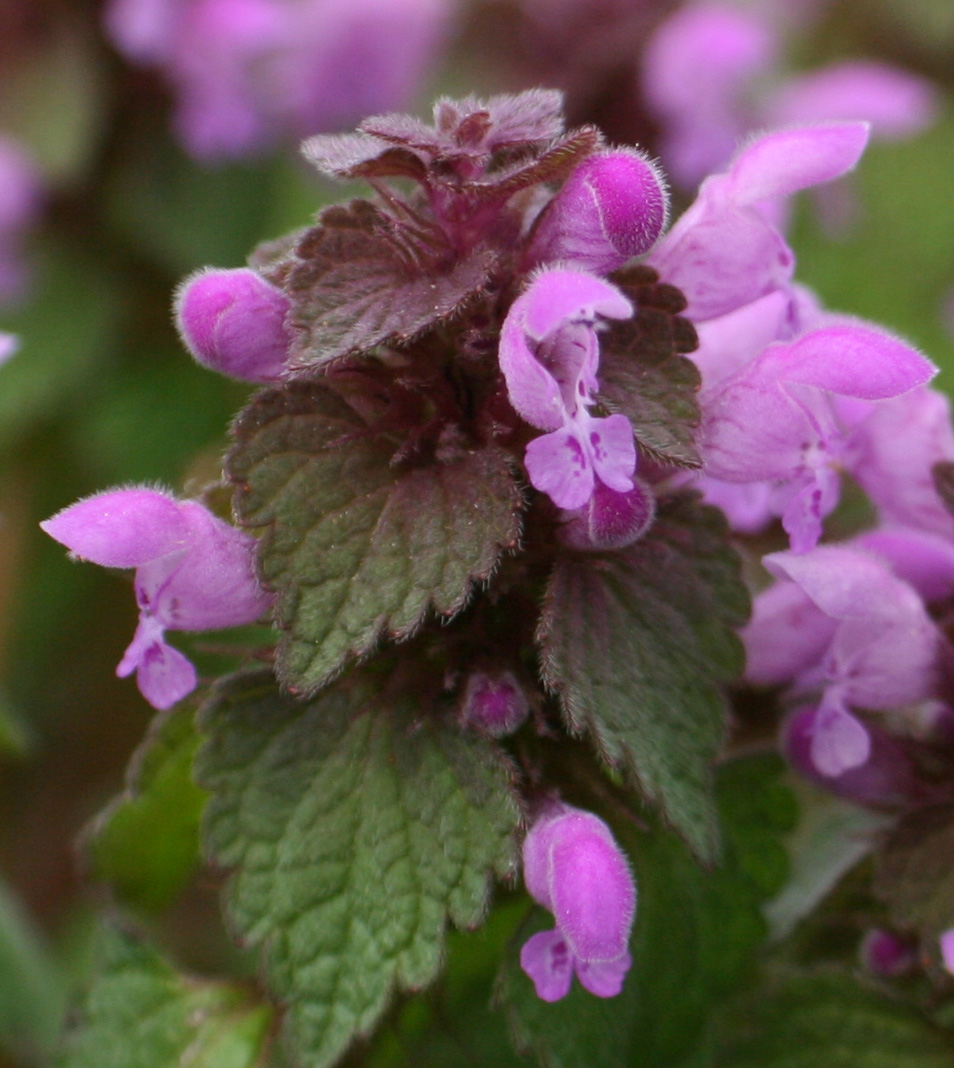
There must be a hundred different species in the mint family!
Considerably more than that

:

en.wikipedia.org
The enlarged Lamiaceae contain about 236 genera and have been stated to contain 6,900 to 7,200 species, but the World Checklist lists 7,534. The largest genera are Salvia (900), Scutellaria (360), Stachys (300), Plectranthus (300), Hyptis (280), Teucrium (250), Vitex (250), Thymus (220), and Nepeta (200). Clerodendrum was once a genus of over 400 species, but by 2010, it had been narrowed to about 150.
If you're referring to the genus
Mentha, it's rather less than that:
The exact distinction between species is unclear; it is estimated that 13 to 24 species exist. Hybridization occurs naturally where some species range overlap. Many hybrids and cultivars are known.
en.wikipedia.org