So there seems to be a general consensus that following a period of heavy rain, alkaloid content is lower. There is evidence of why alkaloids increase following drought stress, but there seem not much on what causes the decrease following heavy rain (or watering).
In helping understand what could be happening at the cell level, I will try to give a brief understanding of where and how alkaloids are stored in the plant, as well as mechanism that could be responsible for the removal or degradation of them.
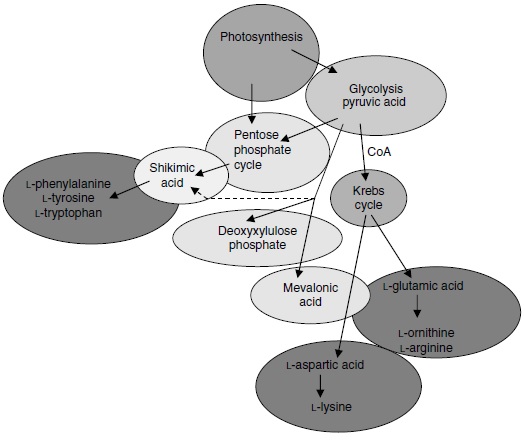
Dimethyltryptamine is an indole alkaloid derived from the shikimate pathway. It is a crystalline alkaloid compound that is the product of decomposing proteins that contain tryptophan.
Alkaloids are accumulated in the central vacuole of alkaloid-producing plants after synthesis. Among its roles in plant cell function, the central vacuole acts as a storage container for water, salts, minerals, nutrients, proteins and pigments. Alkaloids frequently occur as water soluble forms, dissolved in the cell vacuole. This is where your tryptamine's are stored.
Transport of alkaloids across the tonoplast into the vacuolar space has been characterized as an active, engergy-requiring mechanism, which is sensitive to the temperature and pH of the surrounding medium, stimulated by K+ and Mg2+, and inhibited by N,N′-dicyclohexylcarbodiimid and Cu2+.
The transport of the strongly basic tryptamine into the vacuoles is probably also driven by the pH gradient. However, the mechanisms involved in alkaloid transport across the tonoplast are still poorly understood.
The low pH of the vacuole also allows degradative enzymes to act.
It is generally assumed that organic solutes are preferentially accumulated in response to drought stress because they do not interfere with metabolism. This view is held despite the relative energy cost of compatible solute synthesis being more expensive than import and translocation of available inorganic ions. In acacias, all the solutes found to increase significantly in response to drought stress were closely associated with primary C metabolism.
So that's the 'storage' of tryptamine's out of the way...
The contractile vacuole and associated membranes may be regarded as special adaptation to dilute environments, in which osmotic influx of water occurs at a rate faster than other osmoregulatory mechanisms can handle. So, if water is in excess, the contractile vacuole will remove it.
Plants also produce certain excretory materials which have to be expelled out via the stomata of leaves and lenticels of stems.
Alkaloids were considered waste products for a long time (an argument likely derived from animal physiology). However, plants are energetically efficient organisms - they simply do not waste energy in the production of compounds they don't need. The predominant activity of alkaloids in plants seems to be as defence and signalling methods to deter herbivores.
But even though there is 'use' for them, they still may be expelled in the same fashion of a waste product.
So, if DMT salts are soluble in water, then they may either get expelled with water via the stomata and lenticels, or the contractile vacuoles, or they may get degraded by enzymes as the pH of the vacuole drops...
I'm hoping someone with more expertise in these fields may be able to help validate or dispel any of these possibilities..
In helping understand what could be happening at the cell level, I will try to give a brief understanding of where and how alkaloids are stored in the plant, as well as mechanism that could be responsible for the removal or degradation of them.
Dimethyltryptamine is an indole alkaloid derived from the shikimate pathway. It is a crystalline alkaloid compound that is the product of decomposing proteins that contain tryptophan.
Alkaloids are accumulated in the central vacuole of alkaloid-producing plants after synthesis. Among its roles in plant cell function, the central vacuole acts as a storage container for water, salts, minerals, nutrients, proteins and pigments. Alkaloids frequently occur as water soluble forms, dissolved in the cell vacuole. This is where your tryptamine's are stored.
Transport of alkaloids across the tonoplast into the vacuolar space has been characterized as an active, engergy-requiring mechanism, which is sensitive to the temperature and pH of the surrounding medium, stimulated by K+ and Mg2+, and inhibited by N,N′-dicyclohexylcarbodiimid and Cu2+.
The transport of the strongly basic tryptamine into the vacuoles is probably also driven by the pH gradient. However, the mechanisms involved in alkaloid transport across the tonoplast are still poorly understood.
The low pH of the vacuole also allows degradative enzymes to act.
It is generally assumed that organic solutes are preferentially accumulated in response to drought stress because they do not interfere with metabolism. This view is held despite the relative energy cost of compatible solute synthesis being more expensive than import and translocation of available inorganic ions. In acacias, all the solutes found to increase significantly in response to drought stress were closely associated with primary C metabolism.
So that's the 'storage' of tryptamine's out of the way...
The contractile vacuole and associated membranes may be regarded as special adaptation to dilute environments, in which osmotic influx of water occurs at a rate faster than other osmoregulatory mechanisms can handle. So, if water is in excess, the contractile vacuole will remove it.
Plants also produce certain excretory materials which have to be expelled out via the stomata of leaves and lenticels of stems.
Alkaloids were considered waste products for a long time (an argument likely derived from animal physiology). However, plants are energetically efficient organisms - they simply do not waste energy in the production of compounds they don't need. The predominant activity of alkaloids in plants seems to be as defence and signalling methods to deter herbivores.
But even though there is 'use' for them, they still may be expelled in the same fashion of a waste product.
So, if DMT salts are soluble in water, then they may either get expelled with water via the stomata and lenticels, or the contractile vacuoles, or they may get degraded by enzymes as the pH of the vacuole drops...
I'm hoping someone with more expertise in these fields may be able to help validate or dispel any of these possibilities..