
-
Members of the previous forum can retrieve their temporary password here, (login and check your PM).
plant
-
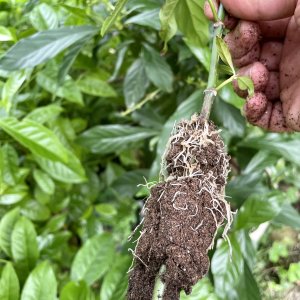
Psychotria viridis 10 (2025-09-07)
Air layering update: it took three months, but this green P. viridis stem grew the perfect rootball to thrive after a transplant. Only the top few leaves wrinkled once potted. Seems like this is the most efficient way to propagate, and it also benefited from the additional months of growth.- stuartroelke
- Media item
- entheogenic ethnobotanical garden plant propagation psychotria psychotria viridis viridis
- Comments: 0
- Album: Stuart's Garden
- Category: The Ethnobotanical Garden show
-
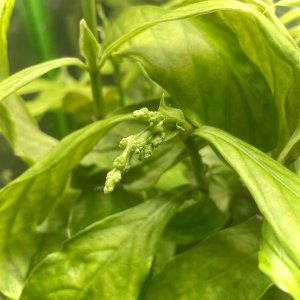
Psychotria viridis 09 (2025-04-11)
This is an older picture, but I wanted to show off how easily this plant flowers when regularly provided with small amounts of magnesium sulfate (epsom salt). The green flowers can still be used before they dry out and make a mess.- stuartroelke
- Media item
- entheogenic ethnobotanical flower garden plant psychotria psychotria viridis viridis
- Comments: 1
- Album: Stuart's Garden
- Category: The Ethnobotanical Garden show
-
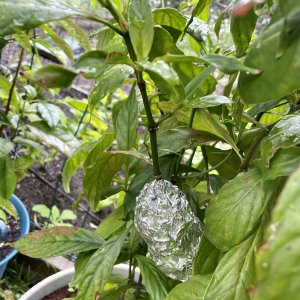
Psychotria viridis 08 (2025-06-14)
Attempting to air layer my P. viridis. For those who are unfamiliar, "air layering" is when you apply moist substrate around an aerial branch in order to trigger safer / faster rooting before propagation. I'm testing with a 50/50 blend of Psychotria soil and coco coir on a young branch.- stuartroelke
- Media item
- entheogenic ethnobotanical garden plant propagation psychotria psychotria viridis viridis
- Comments: 0
- Album: Stuart's Garden
- Category: The Ethnobotanical Garden show
-
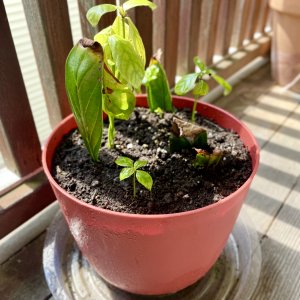
Psychotria viridis 07 (2025-06-06)
It took roughly six months for these leaf cuttings to root and another six months before they grew to this size. Full-size leaves grew multiple shoots, so I intertwined them for strength—each sapling cluster will eventually merge into a sturdier bush. Divided / rotted cuttings grew smaller sprouts.- stuartroelke
- Media item
- entheogenic ethnobotanical garden plant propagation psychotria psychotria viridis viridis
- Comments: 0
- Album: Stuart's Garden
- Category: The Ethnobotanical Garden show
-
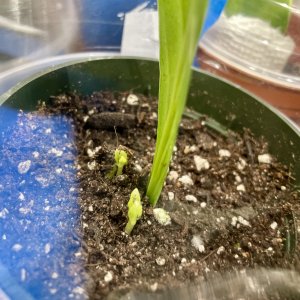
Psychotria viridis 06 (2025-02-16)
I have one leaf putting out three shoots at the same time. For this, I used the “whole leaf wrapped in damp paper towel placed in a sandwich bag” tek (patent pending). This leaf fell off four months ago—now it is growing much faster than my “takeout tek” cuttings.- stuartroelke
- Media item
- cuttings entheogenic ethnobotanical garden plant propagation psychotria psychotria viridis viridis
- Comments: 0
- Album: Stuart's Garden
- Category: The Ethnobotanical Garden show
-
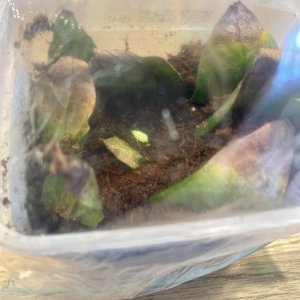
Psychotria viridis 05 (2025-02-15)
It took eight months for all of my “takeout tek” cuttings to produce shoots. I’ve always struggled with propagating P. viridis during the winter.- stuartroelke
- Media item
- cuttings entheogenic ethnobotanical garden plant propagation psychotria psychotria viridis viridis
- Comments: 0
- Album: Stuart's Garden
- Category: The Ethnobotanical Garden show
-
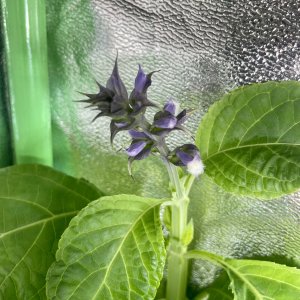
Salvia divinorum 05 (2025-02-02)
Finally getting blooms indoors. There are reports of S. divinorum never flowering when given 12 hours of direct light every day, but I think fertilization and soil acidity have more to do with it.- stuartroelke
- Media item
- buccal salvinorin divinorum entheogenic ethnobotanical gardening plant salvia salvinorin
- Comments: 0
- Album: Stuart's Garden
- Category: The Ethnobotanical Garden show
-
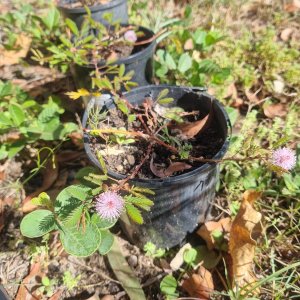
Mimosa Pudica
Sensetive plant. Purple globular flowers.- Phenethylamine23
- Media item
- mimosa plant pudica sensetive
- Comments: 0
- Album: Anadenathera peregrina
- Category: The Ethnobotanical Garden show
-
P
IDing an Ipomoea
Growing on its own in a friend's garden, we think it could be I. purpurea. What do the sages of the Nexus think?- PhalarisAquatica
- Thread
- identification ipomoea lsa plant
- Replies: 5
- Forum: The Ethnobotanical Garden
-
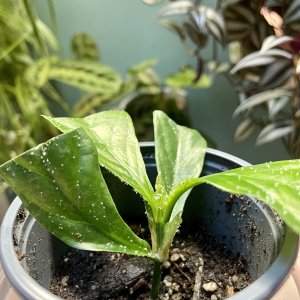
Psychotria viridis 04 (2024-08-20)
The stem cuttings (rooting in soil, water, and coir) developed crystals on the surfaces and undersides of leaves. I was told that this is referred to as "plant edema," and is often the result of high humidity and cells over-hydrating till bursting (this releases nutrients, salts, oxalic acid, &c).- stuartroelke
- Media item
- cuttings entheogenic ethnobotanical garden plant propagation psychotria psychotria viridis viridis
- Comments: 6
- Album: Stuart's Garden
- Category: The Ethnobotanical Garden show
-
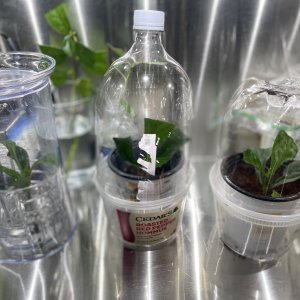
Psychotria viridis 03 (2024-07-28)
Stem cuttings in different mediums. From left to right: a stem cutting in water (I will be transferring to coco coir in a week or two), a stem cutting in 50% coco coir and 50% soil (pasteurized), and a stem cutting in coco coir (pasteurized). I trimmed the leaves back a bit to reduce water loss.- stuartroelke
- Media item
- cuttings entheogenic ethnobotanical garden plant propagation psychotria psychotria viridis viridis
- Comments: 0
- Album: Stuart's Garden
- Category: The Ethnobotanical Garden show
-
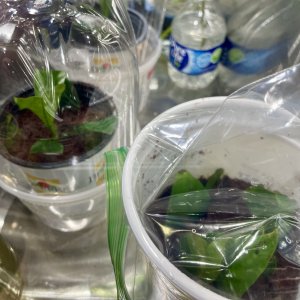
Psychotria viridis 02 (2024-07-28)
Leaf cuttings in coco coir (pasteurized). I've never succeeded with this technique. Usually I have success with root growth, but then they stall or rot. Perhaps this time will be different.- stuartroelke
- Media item
- cuttings entheogenic ethnobotanical garden plant propagation psychotria psychotria viridis viridis
- Comments: 0
- Album: Stuart's Garden
- Category: The Ethnobotanical Garden show
-
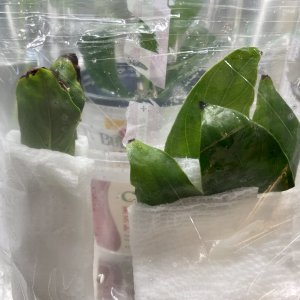
Psychotria viridis 01 (2024-07-28)
Small leaves with stems and leaf cuttings wrapped in wet paper towel. I will be transferring these to soil in a week or two.- stuartroelke
- Media item
- cuttings entheogenic ethnobotanical garden plant propagation psychotria psychotria viridis viridis
- Comments: 0
- Album: Stuart's Garden
- Category: The Ethnobotanical Garden show
-
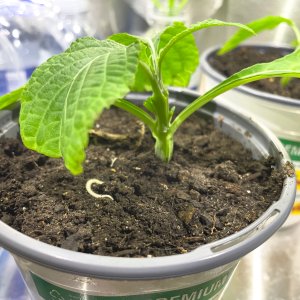
Salvia divinorum 04 (2024-06-18)
Happy cuttings growing roots on the surface of the soil while in an extremely humid chamber. New plants tend to wilt for several hours after transplanting outdoors, but they bounce back surprisingly quick. That seems to be the one time it is beneficial to overwater them.- stuartroelke
- Media item
- buccal salvinorin divinorum entheogenic ethnobotanical gardening plant salvia salvinorin
- Comments: 0
- Album: Stuart's Garden
- Category: The Ethnobotanical Garden show
-
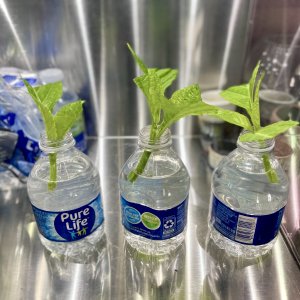
Salvia divinorum 03 (2024-06-03)
Posted yesterday, but—after watching this video (www.youtube.com/watch?v=LwdDQ4t )—I decided that the shoots coming from the base of my plant looked good enough to propagate. Might be too small, but curiosity got the best of me. I will post another update of my plant and these cuttings in July.- stuartroelke
- Media item
- buccal salvinorin divinorum entheogenic ethnobotanical gardening plant salvia salvinorin
- Comments: 6
- Album: Stuart's Garden
- Category: The Ethnobotanical Garden show
-
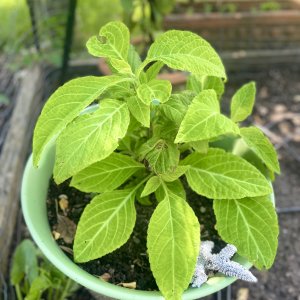
Salvia divinorum 02 (2024-06-02)
Just over 30 days of growth. This pot seems to be the correct size, and it perfectly retains moisture. Appears to be growing bushier than what I have seen. Color is a healthy light green with a velvety layer of trichomes. Minimal bug damage. Thoughts? Should I just keep on keeping on?- stuartroelke
- Media item
- buccal salvinorin divinorum entheogenic ethnobotanical gardening plant salvia salvinorin
- Comments: 0
- Album: Stuart's Garden
- Category: The Ethnobotanical Garden show
-
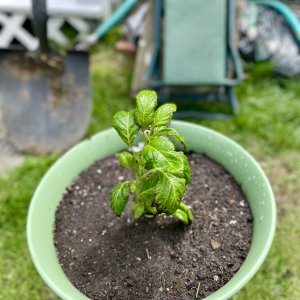
Salvia divinorum 01 (2024-05-07)
I'll be posting updates, as this is my first salvia plant (out of four attempts) that has put out new growth! The last three were indoors—and I did not have the best setup for them—but I finally have a yard to put this one in. The plant prefers this mostly shaded spot under our apple tree.- stuartroelke
- Media item
- buccal salvinorin divinorum entheogenic ethnobotanical gardening plant salvia salvinorin
- Comments: 0
- Album: Stuart's Garden
- Category: The Ethnobotanical Garden show