. Rami Sajdi has been studying the Bedouin Shamans among theNomadic Bedouins of South Jordan for many years. His studies of certainShamanic/Spirit Desert Plants provided him with a deep understanding of an ancient spiritual science that had been used in rituals and medicinal practices by many ancient cultures.
The Consciousness & Shepherd’s Wild Food Diet
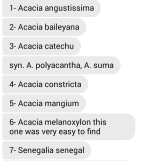
Rami's ethnobotanical investigation was key in identifying the roll of some plants that has have been mentioned in the Bible, such as the Acacia tree that has been associated with The Midianites. The Acacia tree is source of dimethyltryptamine (DMT), a molecule found in nearly every living organism and considered the most potent mind altering plant substance on Earth, and similar to the Ayahuasca brew used as a traditional spiritual medicine in ceremonies among the Indigenous peoples of Amazonia. The ancient tradition of Arabia suggests that the Arabs had their owen brew that was associated with the goddess or deity Al- Uzza (Hebrew 'Asherah) and the Acacia tree.
Another important plant that was identified in the investigation was the Balsam Plant. The Balsam Plant white milky sap ''Liquid Myrrh'' was a main ingredient for the anointing oil that Moses was asked to prepare before the tent of the meeting, in the late bronze age at the same time The Edomities where inhabiting the region of south Jordan. The balsam plant also appeared in around 300B.C along with the stories of Cleopetra and the The Nabateans of Petra. And it seems that the same plant was also associated with the Nomadic mother-goddess who was mistress of the shepherds and his altered state of consciousness which seems to arose at the time of animal domestication, shepherding, cheese making and Copper & Iron smelting.