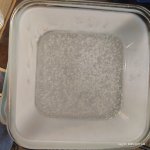
I guess its a Variation of a TL tek idk it's not pages and pages long but I do ask it a lot of questions and it basically helps me understand what some things and idk I've had mixed results but I believe the quality of bark is the reason for the mixed results
Here it is....
## Fast-Track 100g A/B Extraction Protocol
This protocol details a streamlined Acid/Base (A/B) extraction optimized for **100 grams of powdered root bark**. By keeping acid loads minimal and using a back-salting (Mini A/B) purification phase, this process avoids long reduction times while producing high-purity yield.
### Equipment & Materials
#### Extraction Vessel
* **Primary Container:** **1-Liter Borosilicate Glass Media Bottle** (e.g., Schott Duran) with a PTFE-lined cap.
* *Alternative:* 1-quart glass mason jar. If using a mason jar, place a cut square of a thick LDPE/HDPE freezer bag flat over the mouth before capping to protect the lid seal from solvent degradation.
* **Separation & Collection:** Glass Graduated Pipette (5ml–10ml) with rubber bulb, 1-quart glass holding jar, flat glass Pyrex dish.
#### Required Reagents
* **100g** Root Bark (Powdered)
* **20ml** White Vinegar (5% acidity)
* **1,000ml** Distilled Water (total split across steps)
* **25g** Sodium Hydroxide (Lye / \text{NaOH})
* **120ml** Naphtha (divided into 30ml–35ml aliquots)
### Step-by-Step Execution Timeline
* Phase 1: Express Stovetop Acid Extraction
0:00 - 0:45
Place 100g bark into a stainless steel pot with 400ml distilled water and 10ml vinegar. Bring to a low simmer for 15 minutes, stirring continuously.
Strain the hot liquid through a tight cloth/mesh strainer into a temporary vessel and squeeze the remaining mud thoroughly.
Return the wet bark to the pot, add 350ml distilled water and 10ml vinegar, and simmer for a second 15-minute wash.
Strain completely and combine both liquids (~650ml total). Boil the combined liquid down on high heat for 10–12 minutes until concentrated to 350ml.
Pour the 350ml concentrated liquid into your 1-Liter media bottle and allow it to cool completely to room temperature.
* Phase 2: Base Phase & Initial Pulls
0:45 - 1:30
Dissolve 20g lye (\text{NaOH}) into 80ml cold distilled water in a separate glass measuring cup. Stir until clear and let cool.
Slowly pour the lye solution into the 350ml acid liquid in your media bottle. The liquid will instantly transition to dark black (pH 12+).
Pour 35ml warm naphtha into the bottle.
Mixing Cycle: Roll/swirl the bottle end-over-end gently for 60 seconds, then set it down for 5 minutes to separate completely. Repeat this 60-second swirl / 5-minute rest cycle 4 times.
Pipette off the clear top solvent layer into your temporary glass holding jar.
Repeat step 3–5 twice more using 35ml fresh warm naphtha each time. Combine all three pulls into the holding jar (~100ml total solvent).
* Phase 3: Back-Salting (Mini A/B) & Re-Base
1:30 - 2:00
In a glass jar, mix 50ml distilled water with 10ml white vinegar.
Add this acid water directly to your 100ml of collected naphtha. Swirl gently for 8 minutes to pull the alkaloids out of the solvent and into the lower water phase.
Let settle for 3 minutes. Pipette off and discard the top naphtha layer completely.
Dissolve 5g lye in 20ml cold water, then pour it into the cloudy acid water. The liquid will instantly turn milky white.
Add 30ml fresh warm naphtha to the milky liquid and swirl gently for 5 minutes. The white cloud will disappear into the solvent layer, leaving it crystal clear.
* Phase 4: Freeze-Precipitation
2:00 - 24:00
Carefully pipette the clear top 30ml naphtha layer directly into a clean, flat glass Pyrex baking dish.
Seal the dish tightly with plastic wrap and a fitted lid to prevent moisture contamination and evaporation leaks.
Place flat in the coldest section of your freezer for 18 to 24 hours without disturbing.