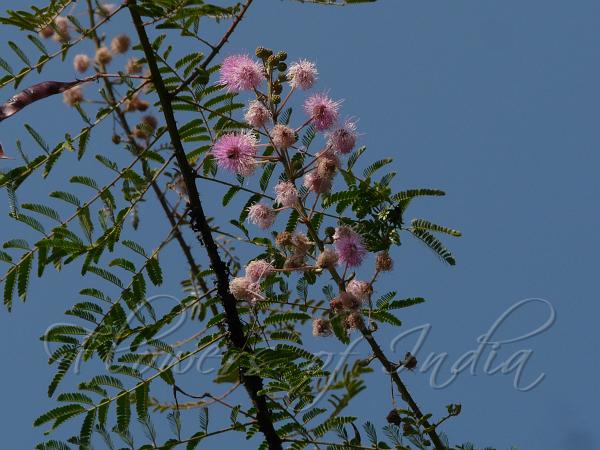
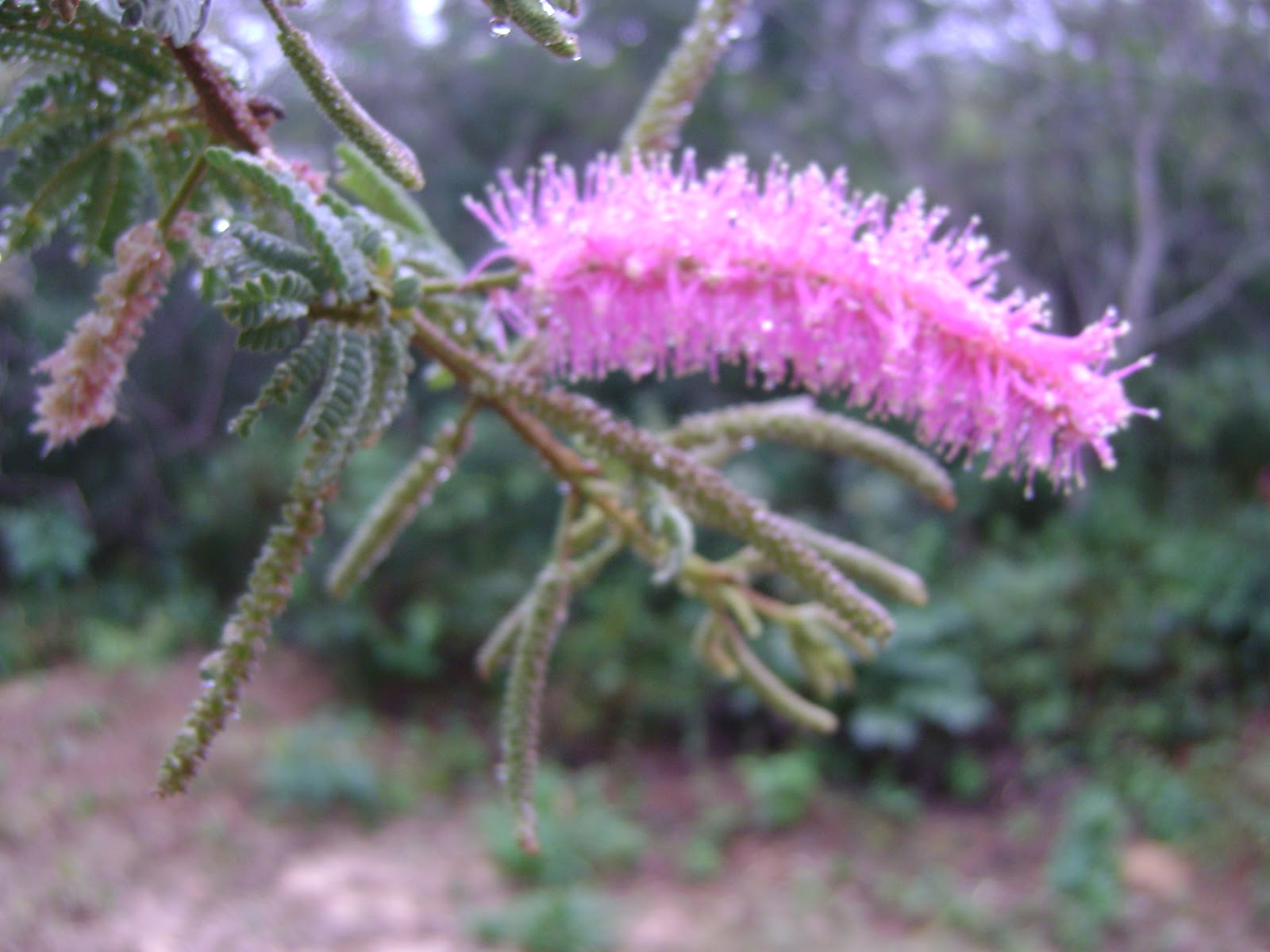
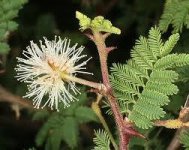
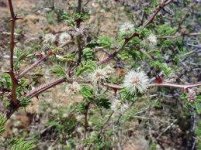
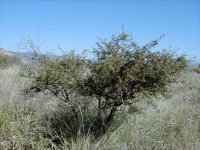
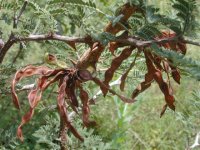
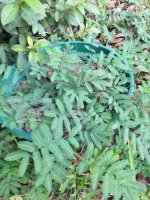
Mimosa tenuiflora syn. hostilis


Distribution

Chemical Profile:
Literature
Roots
1- 0.57% DMT - (Pachter et al 1959)
2- 0.1-0.7% DMT (Gaujac et al 2012a)
Mixture of inner stem and root
- 0.7% crude extract, 0.3% pure (>95% pure DMT) by doing A/B and pulling on 60g mimosa with 5x50ml hexane, evap and one recrystallization. (Gaujac et al 2012b)
Stem (from mexico) - 0.03% DMT and 0.001% Serotonin (Meckes-Lozoya et al. 1990)
(from brazil) - 0.1-0.9% DMT (Gaujac et al 2012a)
Leaf - DMT, NMT, 2MTHBC, tryptophan - Not quantified. (Gardner et al 2012; Gardner pers comm)
Bark
A/B extract - DMT, NMT, 2MTHBC, Hordenine, unknown potentially 1,2-DMTHBC. - Not quantified (Gardner et al 2012; Gardner pers comm)
SPE extract - Same as above plus yuremamine and possible other yuremamine-like compounds. - Not quantified
Nexus / Underground analysis
Inner rootbark
1- 1% DMT yield is commonly reported around the net, sometimes reaching up to 2%, and rarely on the low 0.2% end.
2- Xylene/limonene pulls and evap or FASW/Vinegar - Mostly DMT, some 2MTHBC, small amounts of tetrahydroharman small amounts of what could be 1,2-DMTHBC or yuremamine degradation product (Jungle Spice Analysis thread)
3- Naphtha pulls and freeze/evap. Or limonene/xylene pulls and FASI/FASA - Mostly DMT, little bit NMT and 2MTHBC (Jungle Spice Analysis thread)
4- Post-FASI/FASA acqueous wash of "spent" non-polar solvent - DMT and 2MTHBC in equal amounts, a couple of unknown peaks, plus small amounts of N-Formyl-NMT, N-Methyl-Phenetylamine, Dimethyl-Phenetylamine, and DMT N-Oxide (Jungle Spice Analysis thread)
5- Methanol soak - DMT main alkaloid, plus significant amounts of resorcinol, catechol and homocatechol (possibly yuremamine or lignin breakdown products), small amounts of 2mthbc and NMT. Also trace amounts of hordenine and what could be skatole (Jungle Spice Analysis thread)
6- Xylene extract (analysed by LC-MS) - 86% DMT, + 4 other compounds (M+ 130, 144, 205, 350) (Mycotopia)
Ethnobotanical uses:
Drank as Vinho de Jurema in northeast Brazil religious ceremonies. Sometimes mixed with passiflora, sometimes with alcohol, sometimes drank as cold water infusion (sources needed)
Decoction is drank to treat coughs and bronchitis. (Agra et al 2007)
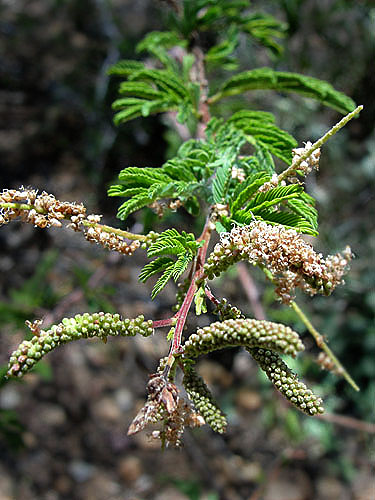
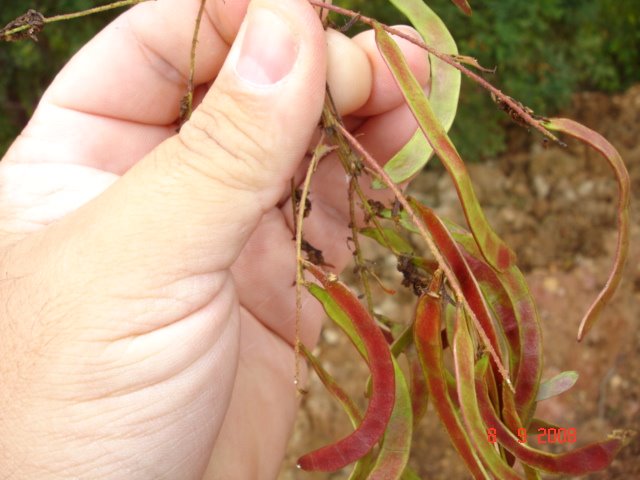
Mimosa ophthalmocentra
Native Names
Jurema de Imbira (De Lacerda 2007)



Distribution:
Endemic to the Brazilian Caatinga, common specially in flooded areas (De Lacerda 2007)
Chemical Profile
Rootbark - 1.6% DMT, co-occuring with NMT (0.0012%), and hordenine (0.0065%) (Batista et al 1999)
Ethnobotanical and other uses:
Decoction is drank to treat coughs and bronchitis. (Agra et al 2007)
Resin from trunk is edible, said to taste good and be good for common colds (Da Silva et Al 2011)
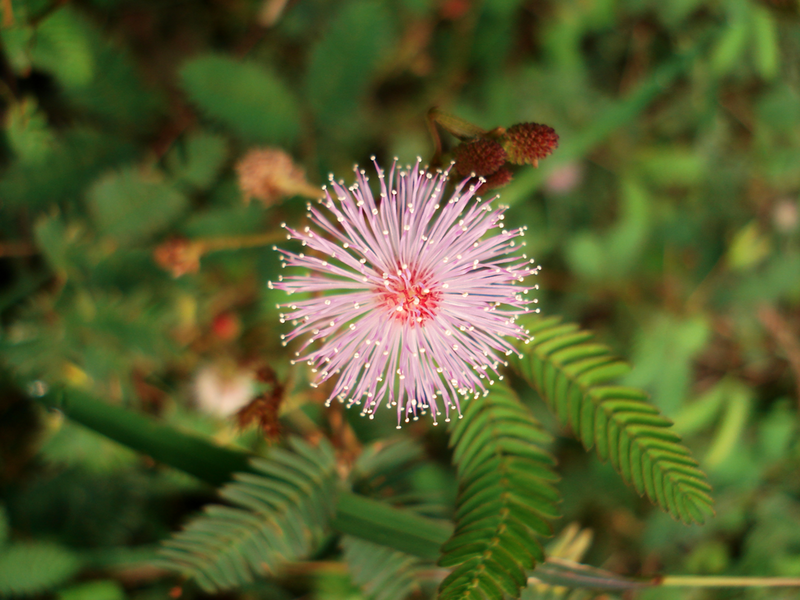
Mimosa pudica
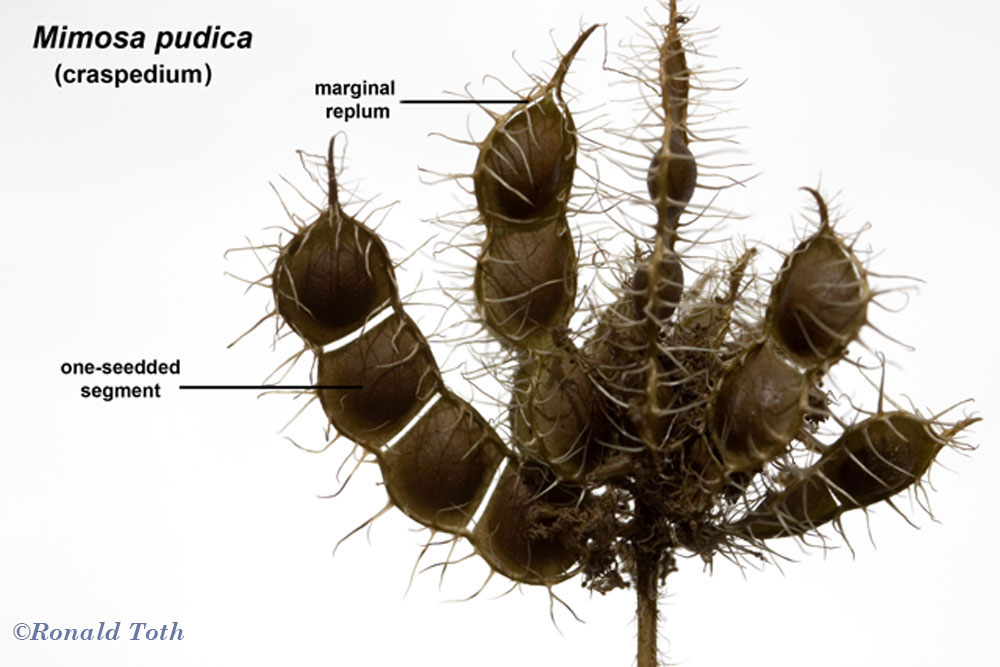
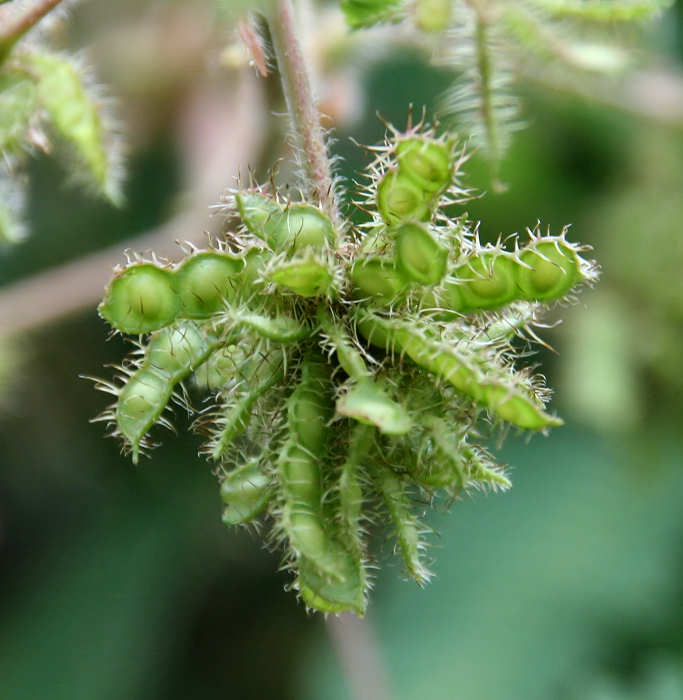

Distribution (discoverlife.org):

Chemical profile
Tentative TLC tests, no amounts given (ref Trout's Notes):
-5-MeO-DMT in low amounts in stem and leaf after the first year (November harvest of 15 month old plants).
-Concentrations were higher in the roots (August harvest). Assays 2 Nov. 1995
-Very young seedlings (whole plant) tested in 1996 showed a very dark suspected 5-MeO-DMT band.
-5-MeO-DMT in branches; 1996 assays.
- DMT did not start to show up in assays until after second year, at which time it was present in leaf and root. (ref trout's Notes)
Other literature analysis:
- Jasmonic acid, L-Mimosine, L-Noradrenaline, Turgorin, 2"-O-alpha-L-Rhamnosyl-6-C-fucosyl-luteolin, Cassiaoccidentalin B, Mimopudine (kanaya.naist.jp)
- "The preliminary Phytochemical screening of Mimosa pudica extract showed the presence ofbioactive components like Terpenoids, Flavonoids, Glycosides, Alkaloids, Quinines, Phenols, Tannins, Saponins and Coumarin" (Gandhiraja et al 2009)
- Phytochemical analysis of M. pudica roots shows that the plant contains ascorbic acid, crocetin, D-glucoronic acid, linoleic acid, linolenic acid, palmitic and stearic acids, mimosine, D-xylose and β-sitosterols. (Mahanta & Mukherjee 2001)
Pharmacology and action
The plant exhibited antimicrobial activity against some tested microorganisms (Gandhiraja et al 2009)
Decoction of leaves protected mice against seizures induced by strychnine and pentylentetrazol (Bum et al 2004)
M. pudica displayed considerable bacteriostatic activity against all six bacterial strains including Bacillus cereus, B. subtilis, Escherichia coli, ampicillin-resistant Escherichia coli, Staphylococcus aureus and Pseudomonas aeruginosa (Genest et al 2008)
In india, the leaves are chewed and the mash is applied over fresh cuts to stop bleeding. The leaves ground with mustard seeds (Brassica juncea) and jaggery, are taken orally 2-3 times a day, for dysentery. (Bhandary et al 1995)
Leaf and stem of Mimosa pudica are used in scorpion sting (Patwari 1992). Roots of M. pudica are popularly used against cobra bite by snake charmers and Bejs (traditional quacks) of north-east India (personal observation). Water extract of roots was shown to reduce toxicity and lethality of cobra venom (Mahanta & Mukherjee 2001)
References used:
Agra et al 2007 SINOPSE DA FLORA MEDICINAL DO CARIRI PARAIBANO. Oecol. Bras., 11 (3): 323-330, 2007
Batista et al 1999
Bhandary et al 1995. Medical ethnobotany of the Siddis of Uttara Kannada district, Karnataka, India. Journal of ethnopharmacology 47, 149-158
Bum et al 2004 Anticonvulsant activity of Mimosa pudica decoction. Fitoterapia. Volume 75, Issues 3–4, June 2004, Pages 309–314
De Lacerda et al 2007 COMPONENTE ARBUSTIVO-ARBÓREO DE MATAS CILIARES NA BACIA DO RIO TAPEROÁ. Oecol. Bras., 11 (3): 331-340, 2007
Da Silva et al 2011. Estudo comparativo da madeira de Mimosa ophthalmocentra Mart. ex Benth e Mimosa tenuiflora (Willd.) Poir. (Fabaceae-Mimosoideae) na caatinga nordestina. Acta Bot. Bras. vol.25 no.2 Feira de Santana Apr./June 2011.
Gandhiraja, N. (2009) Phytochemical Screening and Antimicrobial Activity of the Plant
Extracts of Mimosa pudica L. Against Selected Microbes Ethnobotanical Leaflets 13:618-24, 2009.
Gardner et al 2012 Alkaloid profiles of Mimosa tenuiflora and associated methods of analysis
Gaujac et al 2012a Determination of N,N-dimethyltryptamine in Mimosa tenuiflora inner barks by matrix solid-phase dispersion procedure and GC–MS. Journal of Chromatography B Volumes 881–882, 15 January 2012, Pages 107–110
Gaujac et al 2012b Application of analytical methods for the structural characterization and purity assessment of N,N-dimethyltryptamine, a potent psychedelic agent isolated from Mimosa tenuiflora inner barks. Microchemical Journal. Available online 5 April 2012. In press
Genest et al 2008 Comparative bioactivity studies on two Mimosa species. Bol. Latinoam. Caribe Plant. Med. Aromaticas Vol. 7 (1) 2008
Mahanta & Mukherjee (2001) Neutralisation of lethality, myotoxicity and toxic enzymes of Naja kaouthia venom by Mimosa pudica root extracts. Journal of Ethnopharmacology. Volume 75, Issue 1, April 2001, Pages 55–60
Meckes-Lozoya, M. et al. (1990)a Archivos de Investigación Médica (México) 21 (2): 163-169. "Propiedades farmacológicas in vitro de algunos extractos de Mimosa tenuiflora (tepescohuite) (Ref Trout's Notes)
Pachter, I.J. et al. (1959) Journal of Organic Chemistry 24: 1285-1287. "Indole Alkaloids of Acer saccharinum (the Silver Maple), Dictyoloma incanescens, Piptadenia colubrina, and Mimosa hostilis."
Trout's Notes on Some Simple Tryptamines - 2nd edition
Also attached is UV and mass spectra for LC-MS and GC-MS of mimosa from Gardner.
Distribution
Chemical Profile:
Literature
Roots
1- 0.57% DMT - (Pachter et al 1959)
2- 0.1-0.7% DMT (Gaujac et al 2012a)
Mixture of inner stem and root
- 0.7% crude extract, 0.3% pure (>95% pure DMT) by doing A/B and pulling on 60g mimosa with 5x50ml hexane, evap and one recrystallization. (Gaujac et al 2012b)
Stem (from mexico) - 0.03% DMT and 0.001% Serotonin (Meckes-Lozoya et al. 1990)
(from brazil) - 0.1-0.9% DMT (Gaujac et al 2012a)
Leaf - DMT, NMT, 2MTHBC, tryptophan - Not quantified. (Gardner et al 2012; Gardner pers comm)
Bark
A/B extract - DMT, NMT, 2MTHBC, Hordenine, unknown potentially 1,2-DMTHBC. - Not quantified (Gardner et al 2012; Gardner pers comm)
SPE extract - Same as above plus yuremamine and possible other yuremamine-like compounds. - Not quantified
Nexus / Underground analysis
Inner rootbark
1- 1% DMT yield is commonly reported around the net, sometimes reaching up to 2%, and rarely on the low 0.2% end.
2- Xylene/limonene pulls and evap or FASW/Vinegar - Mostly DMT, some 2MTHBC, small amounts of tetrahydroharman small amounts of what could be 1,2-DMTHBC or yuremamine degradation product (Jungle Spice Analysis thread)
3- Naphtha pulls and freeze/evap. Or limonene/xylene pulls and FASI/FASA - Mostly DMT, little bit NMT and 2MTHBC (Jungle Spice Analysis thread)
4- Post-FASI/FASA acqueous wash of "spent" non-polar solvent - DMT and 2MTHBC in equal amounts, a couple of unknown peaks, plus small amounts of N-Formyl-NMT, N-Methyl-Phenetylamine, Dimethyl-Phenetylamine, and DMT N-Oxide (Jungle Spice Analysis thread)
5- Methanol soak - DMT main alkaloid, plus significant amounts of resorcinol, catechol and homocatechol (possibly yuremamine or lignin breakdown products), small amounts of 2mthbc and NMT. Also trace amounts of hordenine and what could be skatole (Jungle Spice Analysis thread)
6- Xylene extract (analysed by LC-MS) - 86% DMT, + 4 other compounds (M+ 130, 144, 205, 350) (Mycotopia)
Ethnobotanical uses:
Drank as Vinho de Jurema in northeast Brazil religious ceremonies. Sometimes mixed with passiflora, sometimes with alcohol, sometimes drank as cold water infusion (sources needed)
Decoction is drank to treat coughs and bronchitis. (Agra et al 2007)
Mimosa ophthalmocentra
Native Names
Jurema de Imbira (De Lacerda 2007)
Distribution:
Endemic to the Brazilian Caatinga, common specially in flooded areas (De Lacerda 2007)
Chemical Profile
Rootbark - 1.6% DMT, co-occuring with NMT (0.0012%), and hordenine (0.0065%) (Batista et al 1999)
Ethnobotanical and other uses:
Decoction is drank to treat coughs and bronchitis. (Agra et al 2007)
Resin from trunk is edible, said to taste good and be good for common colds (Da Silva et Al 2011)
Mimosa pudica
Distribution (discoverlife.org):
Chemical profile
Tentative TLC tests, no amounts given (ref Trout's Notes):
-5-MeO-DMT in low amounts in stem and leaf after the first year (November harvest of 15 month old plants).
-Concentrations were higher in the roots (August harvest). Assays 2 Nov. 1995
-Very young seedlings (whole plant) tested in 1996 showed a very dark suspected 5-MeO-DMT band.
-5-MeO-DMT in branches; 1996 assays.
- DMT did not start to show up in assays until after second year, at which time it was present in leaf and root. (ref trout's Notes)
Other literature analysis:
- Jasmonic acid, L-Mimosine, L-Noradrenaline, Turgorin, 2"-O-alpha-L-Rhamnosyl-6-C-fucosyl-luteolin, Cassiaoccidentalin B, Mimopudine (kanaya.naist.jp)
- "The preliminary Phytochemical screening of Mimosa pudica extract showed the presence ofbioactive components like Terpenoids, Flavonoids, Glycosides, Alkaloids, Quinines, Phenols, Tannins, Saponins and Coumarin" (Gandhiraja et al 2009)
- Phytochemical analysis of M. pudica roots shows that the plant contains ascorbic acid, crocetin, D-glucoronic acid, linoleic acid, linolenic acid, palmitic and stearic acids, mimosine, D-xylose and β-sitosterols. (Mahanta & Mukherjee 2001)
Pharmacology and action
The plant exhibited antimicrobial activity against some tested microorganisms (Gandhiraja et al 2009)
Decoction of leaves protected mice against seizures induced by strychnine and pentylentetrazol (Bum et al 2004)
M. pudica displayed considerable bacteriostatic activity against all six bacterial strains including Bacillus cereus, B. subtilis, Escherichia coli, ampicillin-resistant Escherichia coli, Staphylococcus aureus and Pseudomonas aeruginosa (Genest et al 2008)
In india, the leaves are chewed and the mash is applied over fresh cuts to stop bleeding. The leaves ground with mustard seeds (Brassica juncea) and jaggery, are taken orally 2-3 times a day, for dysentery. (Bhandary et al 1995)
Leaf and stem of Mimosa pudica are used in scorpion sting (Patwari 1992). Roots of M. pudica are popularly used against cobra bite by snake charmers and Bejs (traditional quacks) of north-east India (personal observation). Water extract of roots was shown to reduce toxicity and lethality of cobra venom (Mahanta & Mukherjee 2001)
References used:
Agra et al 2007 SINOPSE DA FLORA MEDICINAL DO CARIRI PARAIBANO. Oecol. Bras., 11 (3): 323-330, 2007
Batista et al 1999
Bhandary et al 1995. Medical ethnobotany of the Siddis of Uttara Kannada district, Karnataka, India. Journal of ethnopharmacology 47, 149-158
Bum et al 2004 Anticonvulsant activity of Mimosa pudica decoction. Fitoterapia. Volume 75, Issues 3–4, June 2004, Pages 309–314
De Lacerda et al 2007 COMPONENTE ARBUSTIVO-ARBÓREO DE MATAS CILIARES NA BACIA DO RIO TAPEROÁ. Oecol. Bras., 11 (3): 331-340, 2007
Da Silva et al 2011. Estudo comparativo da madeira de Mimosa ophthalmocentra Mart. ex Benth e Mimosa tenuiflora (Willd.) Poir. (Fabaceae-Mimosoideae) na caatinga nordestina. Acta Bot. Bras. vol.25 no.2 Feira de Santana Apr./June 2011.
Gandhiraja, N. (2009) Phytochemical Screening and Antimicrobial Activity of the Plant
Extracts of Mimosa pudica L. Against Selected Microbes Ethnobotanical Leaflets 13:618-24, 2009.
Gardner et al 2012 Alkaloid profiles of Mimosa tenuiflora and associated methods of analysis
Gaujac et al 2012a Determination of N,N-dimethyltryptamine in Mimosa tenuiflora inner barks by matrix solid-phase dispersion procedure and GC–MS. Journal of Chromatography B Volumes 881–882, 15 January 2012, Pages 107–110
Gaujac et al 2012b Application of analytical methods for the structural characterization and purity assessment of N,N-dimethyltryptamine, a potent psychedelic agent isolated from Mimosa tenuiflora inner barks. Microchemical Journal. Available online 5 April 2012. In press
Genest et al 2008 Comparative bioactivity studies on two Mimosa species. Bol. Latinoam. Caribe Plant. Med. Aromaticas Vol. 7 (1) 2008
Mahanta & Mukherjee (2001) Neutralisation of lethality, myotoxicity and toxic enzymes of Naja kaouthia venom by Mimosa pudica root extracts. Journal of Ethnopharmacology. Volume 75, Issue 1, April 2001, Pages 55–60
Meckes-Lozoya, M. et al. (1990)a Archivos de Investigación Médica (México) 21 (2): 163-169. "Propiedades farmacológicas in vitro de algunos extractos de Mimosa tenuiflora (tepescohuite) (Ref Trout's Notes)
Pachter, I.J. et al. (1959) Journal of Organic Chemistry 24: 1285-1287. "Indole Alkaloids of Acer saccharinum (the Silver Maple), Dictyoloma incanescens, Piptadenia colubrina, and Mimosa hostilis."
Trout's Notes on Some Simple Tryptamines - 2nd edition
Also attached is UV and mass spectra for LC-MS and GC-MS of mimosa from Gardner.