• Members of the previous forum can retrieve their temporary password here, (login and check your PM).

need help with san pedro identification

Migrated topic.

avFlying

Rising Star
Merits
42
Hola Nexians!
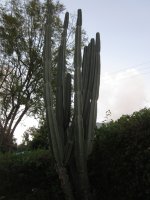
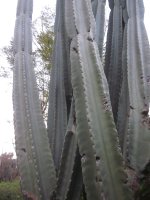
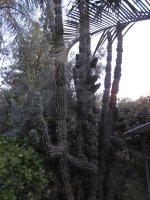
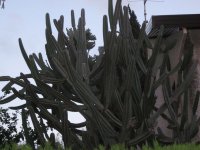
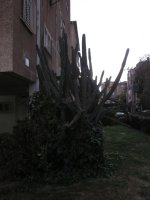
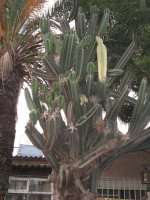
these are some pics i took and i am not sure that any of these are the real things !
Just for the reference i am from Israel and it seems that you can find these cacti growing every where
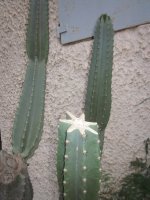
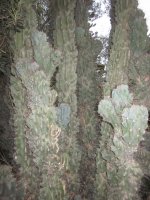
the last one is from mu garden it does not look like pedro was just wondering if any one know if it i potent?
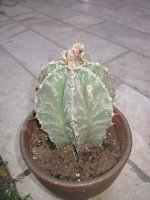
the pic before last is a mitre bishop peyote , could not find much info about it except it contain trace amount of masc, does any on have experience with it?

all info would be great
thanks
Alex
 

Attachments

  • IMG_4839.JPG
    IMG_4839.JPG
    2.7 MB · Views: 0
  • IMG_4840.JPG
    IMG_4840.JPG
    2.3 MB · Views: 0
  • IMG_4841.JPG
    IMG_4841.JPG
    2.1 MB · Views: 0
  • IMG_4842.JPG
    IMG_4842.JPG
    2.8 MB · Views: 0
  • IMG_4846.JPG
    IMG_4846.JPG
    2.3 MB · Views: 0
  • IMG_4847.JPG
    IMG_4847.JPG
    2.7 MB · Views: 0
  • IMG_4848.JPG
    IMG_4848.JPG
    1.8 MB · Views: 0
  • IMG_4844.JPG
    IMG_4844.JPG
    2.3 MB · Views: 0
  • IMG_4843.JPG
    IMG_4843.JPG
    2.7 MB · Views: 0
I agree, not one of them look like San Pedro. San Pedro typically has thicker ribs, and different shaped spines.

Cacti are generally quite variable in mescaline content, so you'd be lucky if that one you said was a peyote was very active. It doesn't look like any peyote I've ever seen.

You may want to look up and see if you can have peyote shipped to you from Holland. I don't know your laws concerning this, so be sure to check. Seeds for San Pedro, Peruvian Torch, Achuma, or Loph. Williamsii (peyote) may be an option for you, too.
 
1-2-3 and 5-6-7 look like cereus species (not active, it's the trichocereus ones that you want).

The 4th and last (the same?) Iook a little like Cereus peruvianus monstrous (also not active).

The ' peyote ' looks like Echinocereus knippelianus (Peyote Verde). They contain a lot of alkaloids but only trace amounts of mescaline. They are supposed to be psychoactive caused by the other alkaloids but I wouldn't take the risk ingesting them without knowing exactly what's in them.
In some of the articles I came across, it' stated that the so called 'false' peyotes also could be deliriants, which for some could be interesting but for most they don't.

http://www.flowerservant.com/default.asp?page=catalogue/catalogue02&currPos=20&id_skupina=2&fID=2128
 
Back
Top Bottom