entheogenic-gnosis
Rising Star
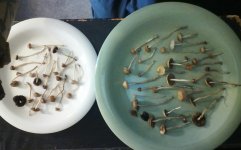
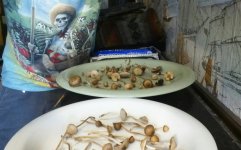
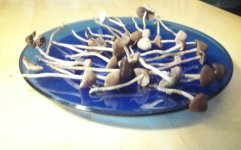
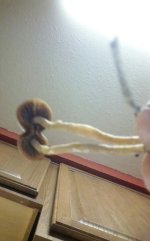
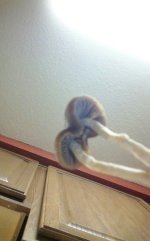
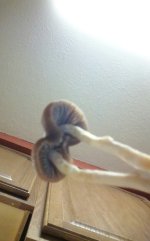
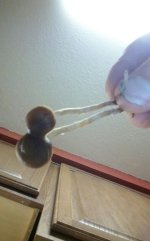
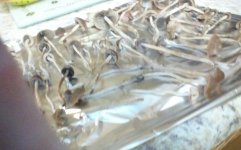
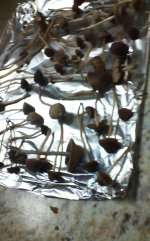
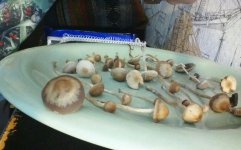
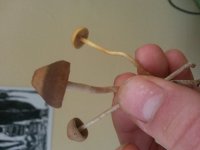
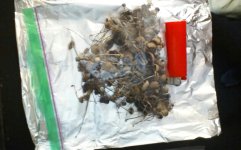
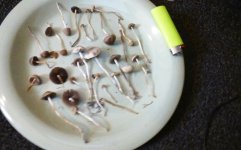
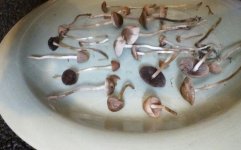
For the past 4 years I have been harvesting these. These are Panaeolus cinctulus fungi (picture attached), with a few Panaeolina foenisecii mixed in.
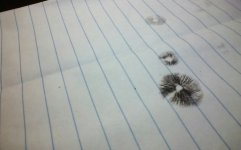
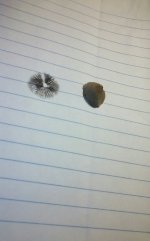
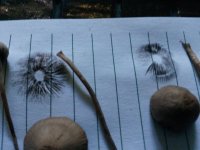
I have taken spore prints (all were jet black from the fungi photographed), and examined the spores microscopically (roughly 12 x 8 µm, smooth, ellipitic-citriform, thick-walled) (Panaeolina foenisecii have small warts as well as other distinguishing features)
(*though spore prints were only taken from 2 caps from each harvest* I accept that there may be pan foe. Mixed in.)
*There are reports that Panaeolina foenisecii found in Denver contain psilocybin.*
Since pan foe and pan cinct grow in the same habitat during the same time of year, I theorized that perhaps the Panaeolus cinctulus mycellium was transferring psilocin via hyphae to the mycellium of Panaeolina foenisecii...
Or perhaps in the cases in Denver regarding psychedelic poisoning, the species was in fact Panaeolus cinctulus and the identification of pan foe was in error...
Or maybe it's a Panaeolus species which is not known to be common in Denver, but which looks identical to pan foe, such as Panaeolus olivaceus or Panaeolus fimicola...
Panaeolina castaneifolia is another pan foe look alike, but with darker, more black spores than pan foe, since the mushrooms in Denver all have black spore prints, but are being labled pan foe, this could be a candidate, however, this species is not known as being active...
Agrocybe pediades and Conocybe apala are the other common mushroom species I find growing near these Panaeolus cinctulus patches.
I have the majority of my local LBM's identified, and have been collecting mushrooms from this area since I was a child...
...and yet I'm still fascinated with Panaeolus cinctulus and related species in my area, as well as the compounds these fungi may or may not produce...
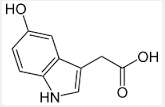
Panaeolina foenisecii contains serotonin, 5-HTP and 5-hydroxyindoleacetic acid, and in Denver is reported to contain psilocin.
Panaeolus cinctulus contains psilocin.
I've been collecting both species (in Denver), I still have to photograph the spore prints, and with my camera it's hard to tell the dark brown pan foe print from the jet black pan cinct print (though in real life it's quite easy to distinguish them) but once I find a good way to.photograph the prints I will post them as well.
**
-eg
I have taken spore prints (all were jet black from the fungi photographed), and examined the spores microscopically (roughly 12 x 8 µm, smooth, ellipitic-citriform, thick-walled) (Panaeolina foenisecii have small warts as well as other distinguishing features)
(*though spore prints were only taken from 2 caps from each harvest* I accept that there may be pan foe. Mixed in.)
*There are reports that Panaeolina foenisecii found in Denver contain psilocybin.*
Since pan foe and pan cinct grow in the same habitat during the same time of year, I theorized that perhaps the Panaeolus cinctulus mycellium was transferring psilocin via hyphae to the mycellium of Panaeolina foenisecii...
Or perhaps in the cases in Denver regarding psychedelic poisoning, the species was in fact Panaeolus cinctulus and the identification of pan foe was in error...
Or maybe it's a Panaeolus species which is not known to be common in Denver, but which looks identical to pan foe, such as Panaeolus olivaceus or Panaeolus fimicola...
Panaeolina castaneifolia is another pan foe look alike, but with darker, more black spores than pan foe, since the mushrooms in Denver all have black spore prints, but are being labled pan foe, this could be a candidate, however, this species is not known as being active...
Agrocybe pediades and Conocybe apala are the other common mushroom species I find growing near these Panaeolus cinctulus patches.
I have the majority of my local LBM's identified, and have been collecting mushrooms from this area since I was a child...
...and yet I'm still fascinated with Panaeolus cinctulus and related species in my area, as well as the compounds these fungi may or may not produce...
Panaeolina foenisecii contains serotonin, 5-HTP and 5-hydroxyindoleacetic acid, and in Denver is reported to contain psilocin.
Panaeolus cinctulus contains psilocin.
I've been collecting both species (in Denver), I still have to photograph the spore prints, and with my camera it's hard to tell the dark brown pan foe print from the jet black pan cinct print (though in real life it's quite easy to distinguish them) but once I find a good way to.photograph the prints I will post them as well.
**
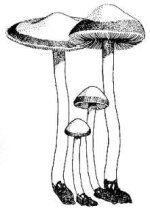
Panaeolus foenisecii
This Panaeolus is common in the grass and looks fairly boring, but—in this case—looks deceive....
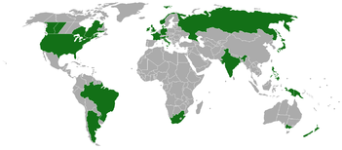
In some parts of the U.S., P. foenisecii contains psilocybin, the same pyschoactive agent found in magic mushrooms. There is some evidence that P. foenisecii may be hallucinogenic.
A number of cases have been reported involving children eating P. foenisecii and apparently having hallucinations. Mushroom poisoning expert Marilyn Shaw reports one case in which a man was mowing his lawn in Denver and found his child with "mushrooms around her mouth." Her mother said the little girl was later "banging her head" and holding her head and was frightened of both her parents. The kid was not acting as if she had a stomach ache. At the hospital in the middle of the night, Marilyn identified the mushrooms as P. foenisecii, and the doctor administered a tranquilizer. In another case, a child at a summer camp ate about 30 mushrooms, and the counselor believed she was later hallucinating.
Panaeolus foenisecii | Urban Mushrooms
-eg