
-
Members of the previous forum can retrieve their temporary password here, (login and check your PM).
You are using an out of date browser. It may not display this or other websites correctly.
You should upgrade or use an alternative browser.
You should upgrade or use an alternative browser.
Phoenician Proto Hermeticism - Talk on Philo of Byblos and Sanchuniathon
- Thread starter Pumpy
- Start date


Thanks for sharing. Western esotericism is really interesting, particularly in regard to the relationship between hermeticism, gnosticism, and alchemy, which are all topics I resonate with, but don’t know a whole lot about.
I truly enjoy knowing the history of the those almost as much as playing with them. Oh look more esoterica ! This time it will be sumerian:
Shaduppum was not only the pulse of Mesopotamian order — it was a city of the sacred. Among its seven temples, one stood out: the Temple of Nisaba, the Sumerian goddess of writing and grain.
Nisaba, one of the oldest attested deities of the region, was the divine patron of scribes. It was her blessing that ensured accuracy in the clay-written ledgers and hymns. The temple dedicated to her — and her consort Haia — was guarded by two magnificent terra-cotta lions, symbols of divine protection. These roaring clay beasts, crafted between 2004 and 1595 BCE, now rest in the National Museum of Iraq in Baghdad, their silent growls still echoing a command to respect knowledge.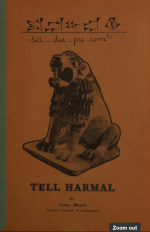
Shaduppum was not only the pulse of Mesopotamian order — it was a city of the sacred. Among its seven temples, one stood out: the Temple of Nisaba, the Sumerian goddess of writing and grain.
Nisaba, one of the oldest attested deities of the region, was the divine patron of scribes. It was her blessing that ensured accuracy in the clay-written ledgers and hymns. The temple dedicated to her — and her consort Haia — was guarded by two magnificent terra-cotta lions, symbols of divine protection. These roaring clay beasts, crafted between 2004 and 1595 BCE, now rest in the National Museum of Iraq in Baghdad, their silent growls still echoing a command to respect knowledge.
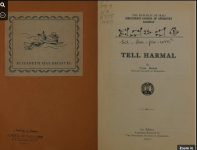
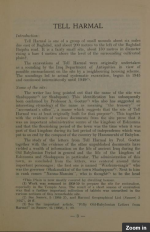


"Tell Harmal"? Now that's an interesting name!
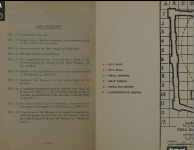
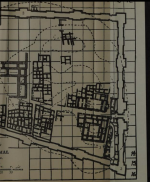
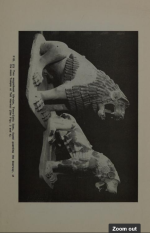
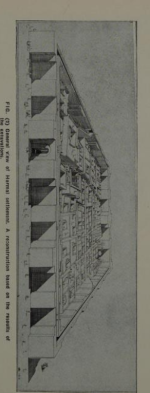
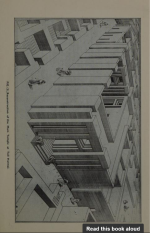
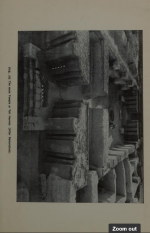
I was looking for something else and it reminded me of this temple"Tell Harmal"? Now that's an interesting name!

The cult of yahweh supposedly ate very large meals while imbibing all kinds of intoxicants leading up to a frenzied orgy that would take place in this very temple. At the very climax a living human being would be ritualistically murdered <---
Interesting. I'm interested in the origins of Yahwism, and how a particular semitic tribe abandoned all other gods except for their tribal one, El/Yahweh. Where did you read this info? I'd like to read it.The cult of yahweh supposedly ate very large meals while imbibing all kinds of intoxicants leading up to a frenzied orgy that would take place in this very temple. At the very climax a living human being would be ritualistically murdered <---
i typed in that comment off the cuff and i'm about to go ffline, but, i will get back to you on that ( not sure which sources to point you towards exactly atm ) This is a link to the book Practicing Gnosis: Ritual, Magic, Theurgy and Liturgy in Nag Hammadi, Manichaean and Other Ancient Literature. This is an excellent start, and its historical bent lends itself toward mention of the other cults in the region. I can say that initially, after El and the others, Yahweh was favored by a powerful group over the other gods and his priests eventually forbade the worship or even mention of the other gods. Before this time the Jewish pantheon was polytheistic, with descriptions of a royal court of the gods where they would all meet and so on, that subject is called merkavah or merkaba these days. their brand of mysticism involved ascending to the court of gods as a god to meet. <i will post a few more links eventually>
Last edited:
My limited exposure to the topic of alchemy has mostly been in the context of Jungian/depth psychology. Here’s an episode from a podcast I like, This Jungian Life, which serves as an example:
Last night, I listened to this epidode of an another depth psychology oriented podcast, which focused on the topic of Hermeticism. I thought it was extremely interesting, particularly in regard to the animistic view that seems implicit in Hermeticism, along with the discussion of the shift that happened between the Renaissance and the Enlightenment, marking a change in the perception of the world from one of aliveness to mechanization:
Last night, I listened to this epidode of an another depth psychology oriented podcast, which focused on the topic of Hermeticism. I thought it was extremely interesting, particularly in regard to the animistic view that seems implicit in Hermeticism, along with the discussion of the shift that happened between the Renaissance and the Enlightenment, marking a change in the perception of the world from one of aliveness to mechanization:

Regarding YHWH
I love his sense of humor.Justin Sledge is so adorable

Similar threads

- Replies
- 15
- Views
- 552


- Replies
- 1
- Views
- 529


