What do we know about them? (this first post will be edited as new information comes in)
Vasicine
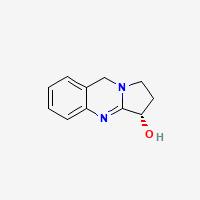
XlogP3: 0.4
Vasicinone
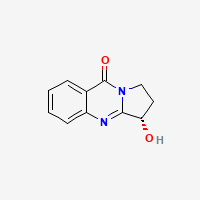
XlogP3: 0.4
Deoxyvasicine
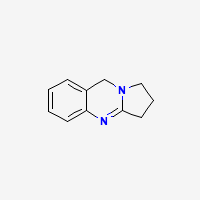
XlogP3: 1.0
Phytochemistry:
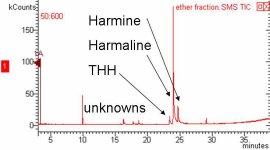
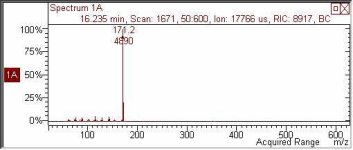
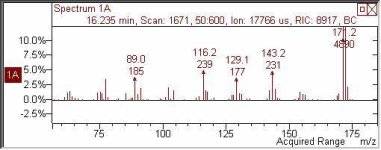
Appart from the Harmaline and Harmine, Syrian Rue (Peganum harmala) also contains a significant amount of Vasicine and Vasicinone (and Desoxyvasicine/peganine). How much is there in the seeds? Can we find exact numbers?
Pharmacology/Toxicology
These quinazoline compounds are generally considered as "unwanted" alkaloids in rue extractions because they do not show MAOI activity and they are known uterotonic, oxytocic (can facilitate childbirth by increasing uterine contractions) and abortifacient (for examples source 1, 2) therefore specially for pregnant women they should definitely be avoided.
But appart from this uterotonic effects, and for women that are not pregnant and men, are they really unwanted?
Shulgin has said that we should avoid it (his gut feeling, not hard data), but I couldnt find any more negative studies about it. I can see it is a bronchodilator and relaxant (source 1, which might even be interesting in some cases (maybe diminishing the effects of bufotenin's bronchoconstriction ?). What else can we find out about their effects and toxicity? Maybe if someone can find the original of this paper it also helps
Separation
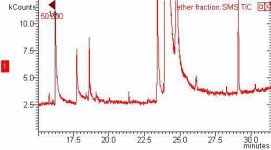
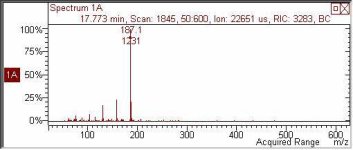
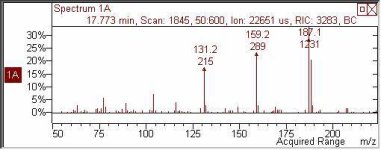
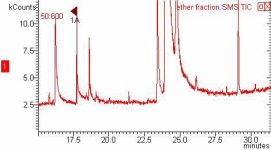
We do know that they can be separated from harmine and harmaline by doing a manske salt precipitation. The sources for this is both burnt (a nexus member) analytical tests with crude manske extracts showing only harmala alkaloids, but also I remember that shulgin had analyzed a salt-precipitated harmala sent by someone that also did not contain the quinazoline compounds, but I cant find the source where I read this, will keep looking for it and post here when I do. Appart from that, another publication describing an extraction of harmalas with a manske step in the middle also failed to show the presence of quinazolines (Phytochemical Studies of the Alkaloids from Peganum Harmala. Applied Chemistry ,Vol. 12, No. I, May 2008, 101-104, attached to this post)
For some reason the hydrochlorides of these substances do not precipitate in a salt saturated solution. Why? What chemical explanation is there for this?. So far this seems to be the only reliable way to make sure they are not present in harmala extractions. Is there any other way? Are they really unwanted?
Vasicine
XlogP3: 0.4
Vasicinone
XlogP3: 0.4
Deoxyvasicine
XlogP3: 1.0
Phytochemistry:
Appart from the Harmaline and Harmine, Syrian Rue (Peganum harmala) also contains a significant amount of Vasicine and Vasicinone (and Desoxyvasicine/peganine). How much is there in the seeds? Can we find exact numbers?
Pharmacology/Toxicology
These quinazoline compounds are generally considered as "unwanted" alkaloids in rue extractions because they do not show MAOI activity and they are known uterotonic, oxytocic (can facilitate childbirth by increasing uterine contractions) and abortifacient (for examples source 1, 2) therefore specially for pregnant women they should definitely be avoided.
But appart from this uterotonic effects, and for women that are not pregnant and men, are they really unwanted?
Shulgin has said that we should avoid it (his gut feeling, not hard data), but I couldnt find any more negative studies about it. I can see it is a bronchodilator and relaxant (source 1, which might even be interesting in some cases (maybe diminishing the effects of bufotenin's bronchoconstriction ?). What else can we find out about their effects and toxicity? Maybe if someone can find the original of this paper it also helps
Separation
We do know that they can be separated from harmine and harmaline by doing a manske salt precipitation. The sources for this is both burnt (a nexus member) analytical tests with crude manske extracts showing only harmala alkaloids, but also I remember that shulgin had analyzed a salt-precipitated harmala sent by someone that also did not contain the quinazoline compounds, but I cant find the source where I read this, will keep looking for it and post here when I do. Appart from that, another publication describing an extraction of harmalas with a manske step in the middle also failed to show the presence of quinazolines (Phytochemical Studies of the Alkaloids from Peganum Harmala. Applied Chemistry ,Vol. 12, No. I, May 2008, 101-104, attached to this post)
For some reason the hydrochlorides of these substances do not precipitate in a salt saturated solution. Why? What chemical explanation is there for this?. So far this seems to be the only reliable way to make sure they are not present in harmala extractions. Is there any other way? Are they really unwanted?