As the resident salvia explorer, my civic duty was to finally attempt intranasal administration of S. divinorum leaf powder. What a delight.
Snorting was not the least bit uncomfortable—no stinging, burning, or foul post-nasal drip. I was honestly shocked by how pleasant it was, and immediately became tempted to replicate in the other nostril. For the sake of the test I decided not to.
From what I had read, the expected onset would be ~5 minutes. My personal experience was that it didn't peak until ~15 minutes, the strongest effects were felt for ~20 minutes, and it gradually tapered off during an additional ~20 minutes. It's a rough estimate because I chose not to monitor time during this first go. Not as long as Salvine Tek, but a decent increase in duration compared to smoking.
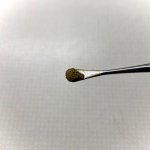
The intensity was perfect for meditation, and was comparable to inhaling a bowl of plain leaf or quidding 5-6 leaves. Bumping in both nostrils might have sent me further than I initially wanted to go. Attached is an image of my attempted recreation, though it's not possible to know what the weight was. Next time I will try to measure.
It was a mistake not to rinse my sinuses before bed. There must have been just enough salvinorin A in my nasal cavity (5-6 hours later) to impact resting brain chemistry. Reactivations kept me awake throughout the night. For me, this has been common when experimenting with Salvine Tek too close to bedtime. All dreams become like a salvia trip, and the intensity is enough to trigger immediate jolts out of slumber.
My biggest fear with rawdogging salvia powder is cleanliness. I grow my own plants outdoors during the summer, so I've got some control over harvesting and drying. I typically collect stalks after rainfall and never wash them. Therefore, I would prefer to eventually follow in the footsteps of folks who have attempted to make a clean nasal spray. It may even suffice to apply some sort of semi-sterilized extract to inert powder. Anything to reduce the possibility of a sinus infection without destroying valuable compounds.
Let's the games begin (yet again).
Snorting was not the least bit uncomfortable—no stinging, burning, or foul post-nasal drip. I was honestly shocked by how pleasant it was, and immediately became tempted to replicate in the other nostril. For the sake of the test I decided not to.
From what I had read, the expected onset would be ~5 minutes. My personal experience was that it didn't peak until ~15 minutes, the strongest effects were felt for ~20 minutes, and it gradually tapered off during an additional ~20 minutes. It's a rough estimate because I chose not to monitor time during this first go. Not as long as Salvine Tek, but a decent increase in duration compared to smoking.
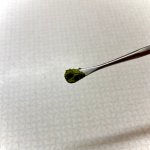
The intensity was perfect for meditation, and was comparable to inhaling a bowl of plain leaf or quidding 5-6 leaves. Bumping in both nostrils might have sent me further than I initially wanted to go. Attached is an image of my attempted recreation, though it's not possible to know what the weight was. Next time I will try to measure.
It was a mistake not to rinse my sinuses before bed. There must have been just enough salvinorin A in my nasal cavity (5-6 hours later) to impact resting brain chemistry. Reactivations kept me awake throughout the night. For me, this has been common when experimenting with Salvine Tek too close to bedtime. All dreams become like a salvia trip, and the intensity is enough to trigger immediate jolts out of slumber.
My biggest fear with rawdogging salvia powder is cleanliness. I grow my own plants outdoors during the summer, so I've got some control over harvesting and drying. I typically collect stalks after rainfall and never wash them. Therefore, I would prefer to eventually follow in the footsteps of folks who have attempted to make a clean nasal spray. It may even suffice to apply some sort of semi-sterilized extract to inert powder. Anything to reduce the possibility of a sinus infection without destroying valuable compounds.
Let's the games begin (yet again).
Attachments
Last edited: