Cosmic Spore
☠ ⚡ ☣ ⚠ ☢
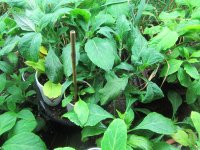
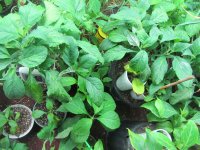
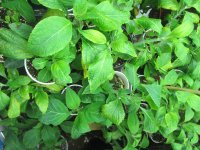
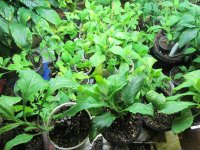
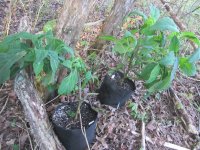
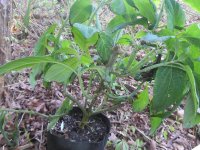
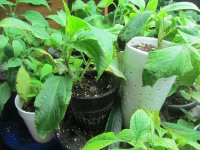
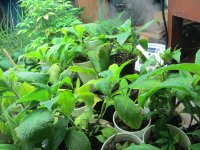
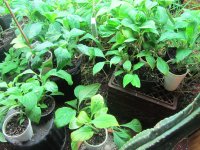
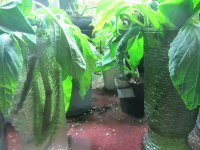
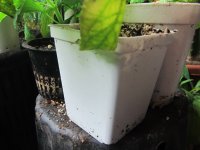
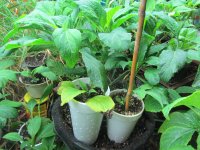
I started by purchasing 5 Bunnell clones; 4 later died due to being transplanted into containers that were too large and held too much water, combined with light intensity being low. The surviving clone was within a plastic container which holds less than 1 gallon; the dead plants were contained within 5 gallon Smart Pots (too large of a container for Salvia divinorum plants that are not mature). After this, I purchased six additional Bunnell clones, transplanted them into 1 gallon Smart Pots, and paid special attention to environmental conditions. Note: I highly recommend using as small as container as will suffice. After my clones get roots, I transfer them into medium size Styrofoam cups due to their size and availability; when the plants get large enough to be transferred, I transplant them into 1 gallon Smart Pots, which drain well and work great. I transplant them when roots are clearly visible emerging from the underside of the container, and so far, my largest containers in use are the 1gallon Smart Pots; if necessary, my plan is to transplant from 1 gallon Smart Pots to 5 gallon Smart Pots. Note: I’m skeptical that the gallon sizes advertised are not consistent with what a 5 gallon plastic bucket could hold; Smart Pots hold less in my experience.
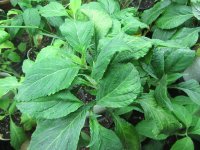
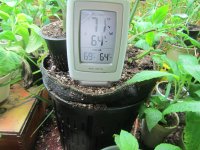
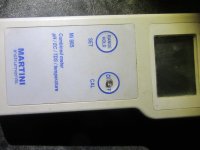
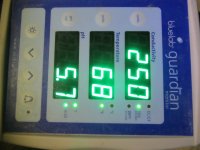
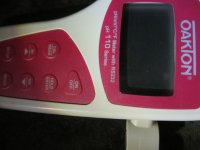
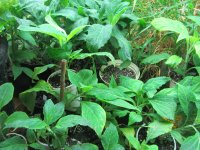
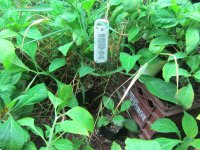
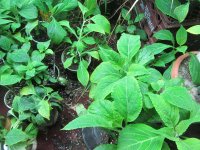
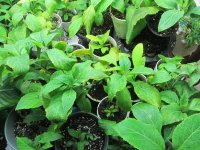
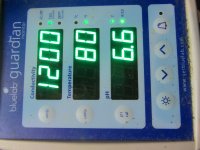
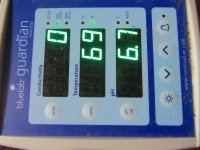
Humidity in the air ranged from 55-80%rH (most often the humidity was around 60%rH). The pH of the fertilization solution was occasionally monitored with a Milwaukee brand Martini Instruments 805 digital meter (pH, EC, TDS, & temperature); a bluelab guardian meter was also used during those times just to double-check readings (displays EC, TDS, or PPM, displays temperature & pH): the pH was left unadjusted if the meter read between 6.3 pH and 6.7 pH. I now have wonderful success (possessing between 73 and 76 rooted Salvia plants); at my location, winter temperatures get well below 32 degrees Fahrenheit, so attempting to get them to grow wild is out of the question; however I would like to produce a few seeds. Side Note: The company Milwaukee’s meters (I have access to multiple of them) are not accurate enough for me, so Cosmic Spore does not recommend purchasing a Milwaukee meter, same advice goes for the bluelab guardian meter (I have access to two). In the future, pH measurements could be taken with a much more accurate Oakton pH 110 series digital pH meter (which I only recently acquired access to… almost unrestricted access, and I do recommend the Oakton). In the last year or so, the most accurate meter that I had access to was the Milwaukee Instruments brand Martini 805 meter.
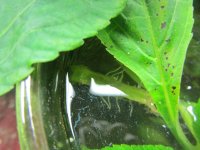
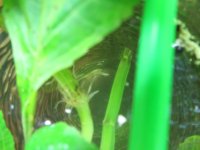
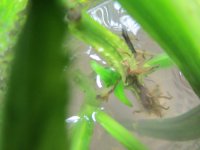
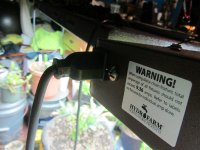
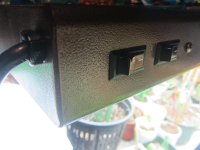
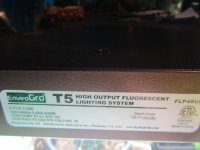
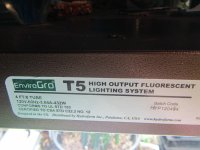
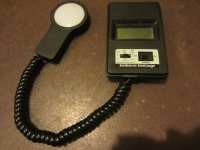
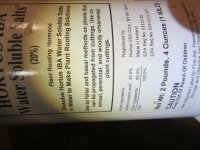
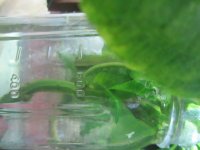
Foot-candles (ft-c) were measured with a digital foot-candle meter (brand: Sunleaves SunGauge; date measured: April 6, 2013& April 7, 2013). Bunnell cuttings rooted at 290-350 footcandles under fluorescent light 24/7 (Two Envirogro brand T5 high output fluorescent lamps- 432 total watts per lamp, all 8 light bulbs per lamp). Hortus brand 20% K-IBA (potassium indole-3-butyric acid; water soluble rooting hormone; 20% IBA) was used @ a rate of 0.23 grams/gallon, which produced roots between 70% & 75% of the time; when used at a rate of 0.30 grams/gallon it produced roots between 80% & 85% of the time. The rooting solution was neither chilled, nor aerated with a small aquarium air pump (which often improves rooting in a different special plant; Salvia cuttings were rooted within room temperature solution). NOTE: to help keep micro organismal growth to a minimum, UC Roots brand hypochlorous acid was used at a rate of 4-6mL/gallon EVERY TIME solution was replaced. Cloning solution was replaced each 10-14 days, OR any time the following signs are noticed dealing with the rooting solution: a film or bubbles floating in the glass, the solution turns tan/brown, organic matter sitting on the bottom of the glass, or a slimy film develops on the submerged twig area. Note: It was not unusual for Salvia cuttings to begin to decay at the lowermost submerged portion, in which case the stem’s mushy area and/or rotting area were cut off with scissors. When cuttings were taken for clones, the plant was cut by scissors horizontally, instead of cutting at a 45 degree angle; then placed in the rooting solution described above. Clones were planted when the roots got between 1.5 centimeters and ¾ inch; best success occurs when the “to-be-underground” stem area has a minimum span of 4.5 centimeters that have roots 1.5cm- ¾ inch in length.
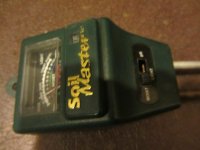
Plants were fertilized with Cal Mag & Ionic [grow]. Typically, I give them water, let dry, give them water, let dry, then fertilize with nutrient solution. Mature looking plants with shoots around 7’’ minimum were fertilized with between 900 ppm and 1,050 ppm total; 250-300 ppm of that total being Cal Mag & 700 ppm Ionic (roughly 2 portions Ionic to every 1 portion Cal Mag). Moderately well rooted cuttings with shoots 3’’ to 6’’ in length were fertilized at 250-325 ppm total, same proportions. Potentially rooted cuttings & questionably rooted cuttings are either given plain spring/creek water (0-4ppm), or given rooting solution mixed with hypochlorous acid (usually I water 2 separate times with rooting solution, followed by 2 separate watering of water only; remember to let the soil dry between watering instances; I measured moisture content in the dirt with a cheap soil meter, Soil Master brand; I water any time the meter reads less than the halfway point between 3 and 4 & avoid constantly saturated soil).
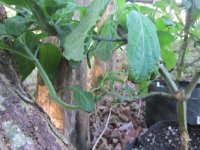
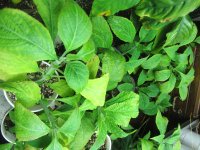
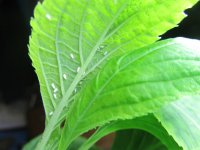
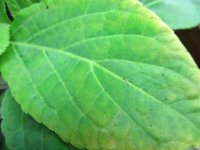
Plant Shoot Length: #foot-candles (ft-c): Presence or Absence of Interveinal Chlorosis
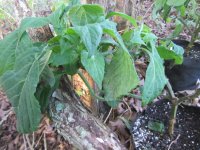
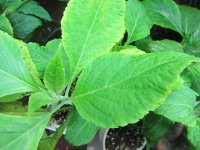
2’’ rooted clone: 254ft-c: interveinal chlorosis noted (mostly mild/partly moderate).
3 3/4’’ rooted clone: 186ft-c: no interveinal chlorosis noted.
4’’ rooted clone: 187ft-c: no interveinal chlorosis noted.
4’’ rooted clone: 680ft-c: interveinal chlorosis noted (1 leaf moderate & 2 leaves mild).
6’’ rooted plant: 143-147ft-c: no interveinal chlorosis noted (intermodal stretching & top
leaves reaching).
6’’ rooted plant: 818ft-c: widespread interveinal chlorosis noted (plant will survive; leaves don’t drop).
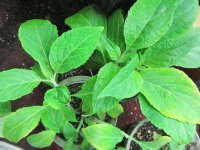
7’’ mature plant: 220ft-c: barely noticeable interveinal chlorosis noted.
7’’ mature plant: 340ft-c: mild interveinal chlorosis noted.
8’’ mature plant: 281-306ft-c: no interveinal chlorosis noted.
8’’ mature plant: 281-311ft-c: very, very mild interveinal chlorosis noted.
8’’ mature plant: 253-475ft-c: mild interveinal chlorosis noted.
8’’ mature plant: 480ft-c: widespread, yet mild interveinal chlorosis noted.
14 ½’’ mature plant: 34-460ft-c (most of plant is receiving 355ft-c): 99% chlorosis free (yellow apex).
Humidity in the air ranged from 55-80%rH (most often the humidity was around 60%rH). The pH of the fertilization solution was occasionally monitored with a Milwaukee brand Martini Instruments 805 digital meter (pH, EC, TDS, & temperature); a bluelab guardian meter was also used during those times just to double-check readings (displays EC, TDS, or PPM, displays temperature & pH): the pH was left unadjusted if the meter read between 6.3 pH and 6.7 pH. I now have wonderful success (possessing between 73 and 76 rooted Salvia plants); at my location, winter temperatures get well below 32 degrees Fahrenheit, so attempting to get them to grow wild is out of the question; however I would like to produce a few seeds. Side Note: The company Milwaukee’s meters (I have access to multiple of them) are not accurate enough for me, so Cosmic Spore does not recommend purchasing a Milwaukee meter, same advice goes for the bluelab guardian meter (I have access to two). In the future, pH measurements could be taken with a much more accurate Oakton pH 110 series digital pH meter (which I only recently acquired access to… almost unrestricted access, and I do recommend the Oakton). In the last year or so, the most accurate meter that I had access to was the Milwaukee Instruments brand Martini 805 meter.
Foot-candles (ft-c) were measured with a digital foot-candle meter (brand: Sunleaves SunGauge; date measured: April 6, 2013& April 7, 2013). Bunnell cuttings rooted at 290-350 footcandles under fluorescent light 24/7 (Two Envirogro brand T5 high output fluorescent lamps- 432 total watts per lamp, all 8 light bulbs per lamp). Hortus brand 20% K-IBA (potassium indole-3-butyric acid; water soluble rooting hormone; 20% IBA) was used @ a rate of 0.23 grams/gallon, which produced roots between 70% & 75% of the time; when used at a rate of 0.30 grams/gallon it produced roots between 80% & 85% of the time. The rooting solution was neither chilled, nor aerated with a small aquarium air pump (which often improves rooting in a different special plant; Salvia cuttings were rooted within room temperature solution). NOTE: to help keep micro organismal growth to a minimum, UC Roots brand hypochlorous acid was used at a rate of 4-6mL/gallon EVERY TIME solution was replaced. Cloning solution was replaced each 10-14 days, OR any time the following signs are noticed dealing with the rooting solution: a film or bubbles floating in the glass, the solution turns tan/brown, organic matter sitting on the bottom of the glass, or a slimy film develops on the submerged twig area. Note: It was not unusual for Salvia cuttings to begin to decay at the lowermost submerged portion, in which case the stem’s mushy area and/or rotting area were cut off with scissors. When cuttings were taken for clones, the plant was cut by scissors horizontally, instead of cutting at a 45 degree angle; then placed in the rooting solution described above. Clones were planted when the roots got between 1.5 centimeters and ¾ inch; best success occurs when the “to-be-underground” stem area has a minimum span of 4.5 centimeters that have roots 1.5cm- ¾ inch in length.
Plants were fertilized with Cal Mag & Ionic [grow]. Typically, I give them water, let dry, give them water, let dry, then fertilize with nutrient solution. Mature looking plants with shoots around 7’’ minimum were fertilized with between 900 ppm and 1,050 ppm total; 250-300 ppm of that total being Cal Mag & 700 ppm Ionic (roughly 2 portions Ionic to every 1 portion Cal Mag). Moderately well rooted cuttings with shoots 3’’ to 6’’ in length were fertilized at 250-325 ppm total, same proportions. Potentially rooted cuttings & questionably rooted cuttings are either given plain spring/creek water (0-4ppm), or given rooting solution mixed with hypochlorous acid (usually I water 2 separate times with rooting solution, followed by 2 separate watering of water only; remember to let the soil dry between watering instances; I measured moisture content in the dirt with a cheap soil meter, Soil Master brand; I water any time the meter reads less than the halfway point between 3 and 4 & avoid constantly saturated soil).
Plant Shoot Length: #foot-candles (ft-c): Presence or Absence of Interveinal Chlorosis
2’’ rooted clone: 254ft-c: interveinal chlorosis noted (mostly mild/partly moderate).
3 3/4’’ rooted clone: 186ft-c: no interveinal chlorosis noted.
4’’ rooted clone: 187ft-c: no interveinal chlorosis noted.
4’’ rooted clone: 680ft-c: interveinal chlorosis noted (1 leaf moderate & 2 leaves mild).
6’’ rooted plant: 143-147ft-c: no interveinal chlorosis noted (intermodal stretching & top
leaves reaching).
6’’ rooted plant: 818ft-c: widespread interveinal chlorosis noted (plant will survive; leaves don’t drop).
7’’ mature plant: 220ft-c: barely noticeable interveinal chlorosis noted.
7’’ mature plant: 340ft-c: mild interveinal chlorosis noted.
8’’ mature plant: 281-306ft-c: no interveinal chlorosis noted.
8’’ mature plant: 281-311ft-c: very, very mild interveinal chlorosis noted.
8’’ mature plant: 253-475ft-c: mild interveinal chlorosis noted.
8’’ mature plant: 480ft-c: widespread, yet mild interveinal chlorosis noted.
14 ½’’ mature plant: 34-460ft-c (most of plant is receiving 355ft-c): 99% chlorosis free (yellow apex).
Attachments
-
 IMG_1395.JPG1.8 MB · Views: 0
 -
 IMG_1396.JPG2.4 MB · Views: 0
 -
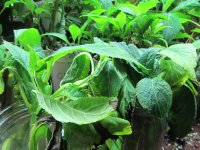 IMG_1397.JPG2.6 MB · Views: 0
 -
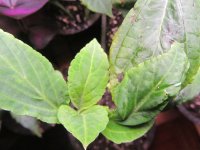 IMG_1398.JPG2.4 MB · Views: 0
 -
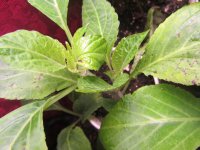 IMG_1399.JPG2.4 MB · Views: 0
 -
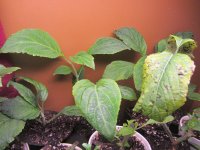 IMG_1400.JPG2.4 MB · Views: 0
 -
 IMG_1401.JPG2.2 MB · Views: 0
 -
 IMG_1402.JPG2.6 MB · Views: 0
 -
 IMG_1403.JPG2.3 MB · Views: 0
 -
 IMG_1404.JPG2 MB · Views: 0
 -
 IMG_1405.JPG2 MB · Views: 0
 -
 IMG_1407.JPG2.2 MB · Views: 0
 -
 IMG_1395.JPG1.8 MB · Views: 0
 -
 IMG_1394.JPG1.8 MB · Views: 0
 -
 IMG_1382.JPG2.6 MB · Views: 0
 -
 IMG_1383.JPG2.9 MB · Views: 0
 -
 IMG_1384.JPG2.7 MB · Views: 0
 -
 IMG_1385.JPG3.1 MB · Views: 0
 -
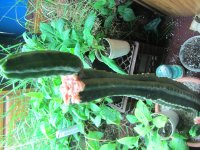 IMG_1386.JPG2.7 MB · Views: 0
 -
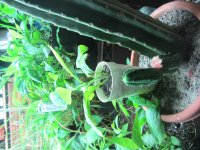 IMG_1387.JPG2.6 MB · Views: 0
 -
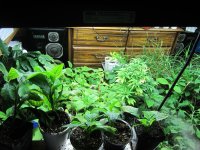 IMG_1388.JPG3.1 MB · Views: 0
 -
 IMG_1390.JPG1.4 MB · Views: 0
 -
 IMG_1391.JPG3 MB · Views: 0
 -
 IMG_1392.JPG2.6 MB · Views: 0
 -
 IMG_1393.JPG3.2 MB · Views: 0


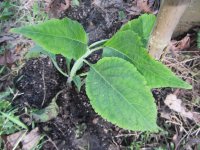
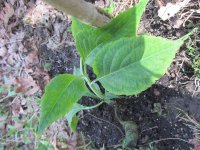
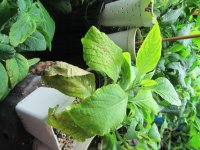
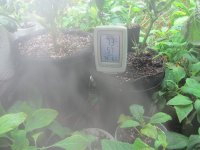
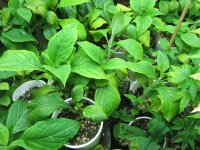
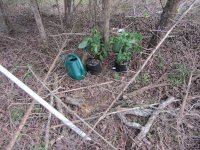
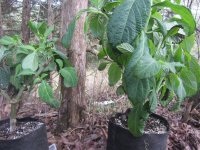
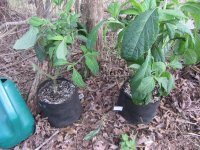
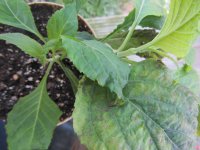
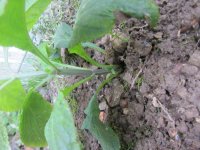
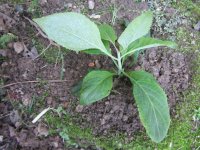
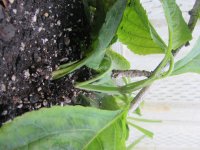
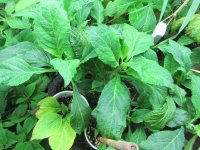
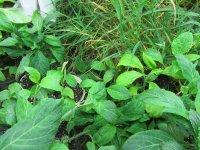

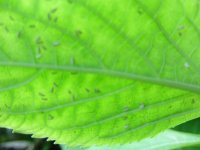
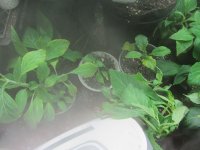
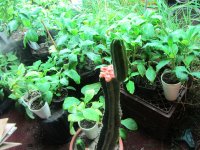
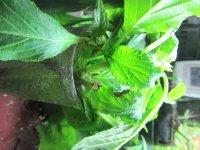
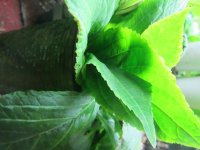
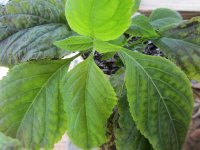
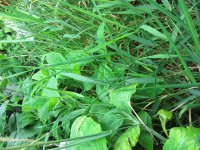
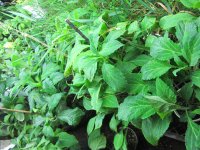
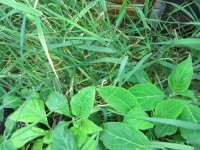
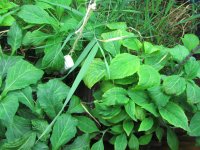
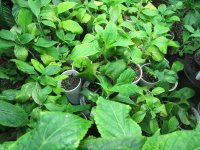
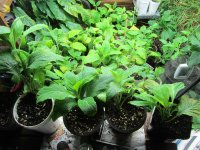
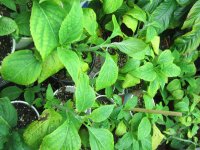
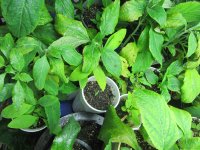
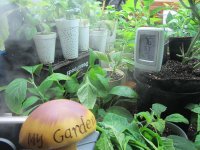
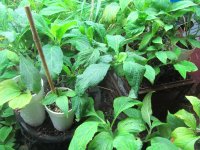
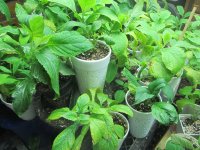
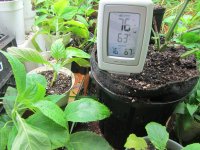
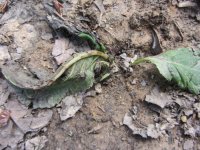
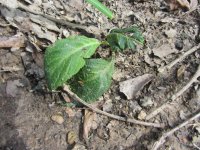
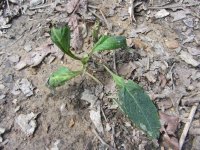
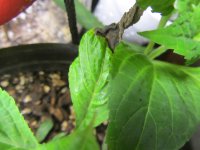
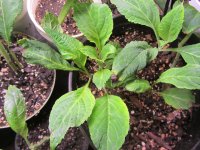
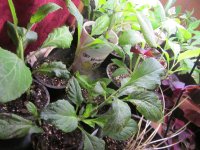
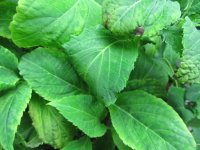
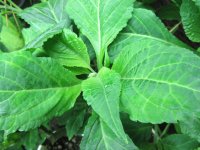
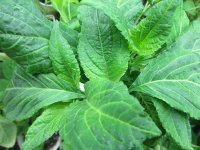
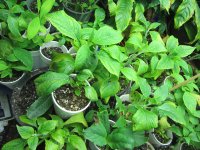
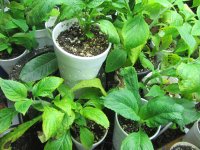
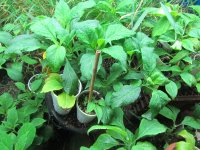
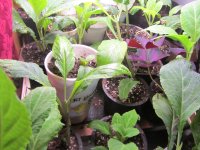
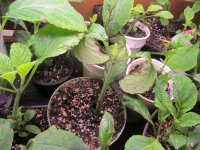
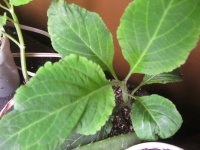
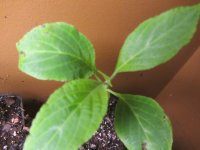
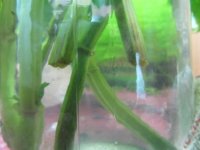
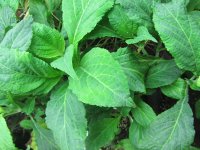
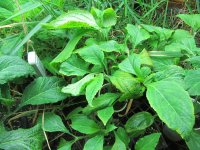
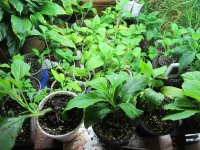
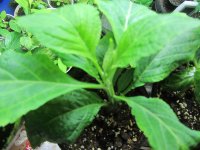
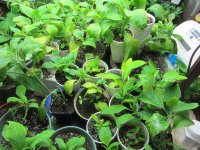
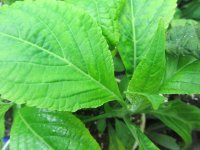
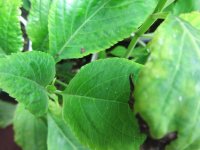
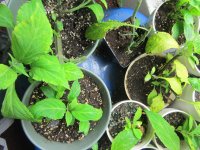
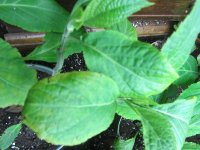
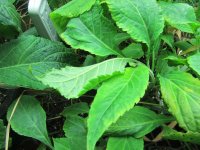
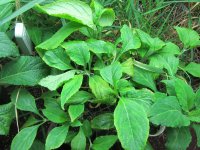
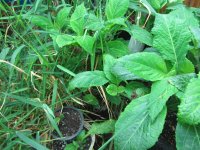
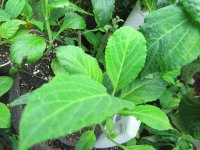
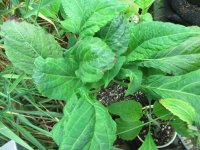
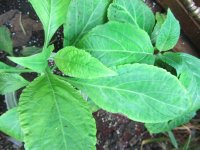
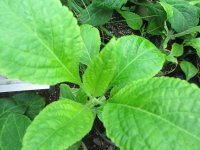


 I certainly am proud of them... that's partly what's up with all the pictures; also, if a picture is worth 1,000 words, then this thread will be worth 100,000's of words about them.