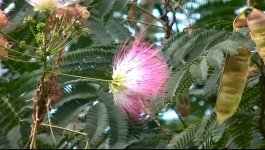
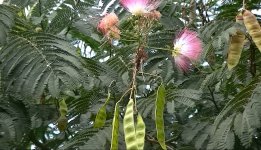
Both the bark and flowers have medicinal properties; albizzia bark will be discussed in a related article. The flowers are fluffy, thread-like and shaped something like a ball; they are usually pink or whitish-pink in appearance. They are picked from the tree in the late summer and early autumn, then dried for use.
In traditional Chinese medicine, albizzia flower is considered to have sweet and neutral properties, and is associated with the Heart and Liver meridians. Its main functions are to calm the spirit, invigorate the blood, alleviate pain, and dissipate swellings. Albizzia flower is revered as one of the most powerful types of herbal tonics available; it is used to treat conditions such as depression, insomnia and irritability. It improves the shen, or spirit. It also improves blood circulation, treats pain and swelling due to traumatic injuries (such as fractures), and reduces swellings and abscesses on the skin and in the abdominal region.
How much albizzia flower should I take?
The typical dose of albizzia flower is between nine and 15 grams, taken with water as a decoction. Albizzia flower can also be ground into a paste or poultice and applied to the skin.
What forms of albizzia flower are available?
Both fresh and dried albizzia flower can be found at many Asian markets and specialty stores. The flowers should be highly aromatic and in good condition; whole flowers are preferable. Some herbal shops also sell albizia extracts, infusions and powders.
What can happen if I take too much albizzia flower? Are there any interactions I should be aware of? What precautions should I take?
Albizzia flower is considered extremely safe; it has been given a class 1 rating by the American Herbal Products Association, meaning that it can be used safely when taken in the appropriate dose. While albizzia flower does not appear to cause drowsiness or affect judgment, some practitioners recommend that patients should not drive or operate heavy construction an hour after taking the product.





 or one doesn't know how to look.


