


Hello dear Nexus community! It's my first post here but I have been reading since a few years and appreciating the pioneering work done over here greatly.
My work on the entheogenic path is focussed on discovering/creating a powerful, sustainable medicine made from local wild plants. I have been working with syrian rue that I wildcraft since over 9 years now. This year I have become a great fan of Russian Olive bark as well. I live in Turkey.
This year I have tried what I thought to be P. aquatica as a partner to the rue and it worked beautifully. I could only do two bioassays and by the time I made up my mind to make a harvest in bulk it was midsummer and surprise surprise, all the aquatica grass had dried out. Now I am waiting for next Spring season to continue with this project.
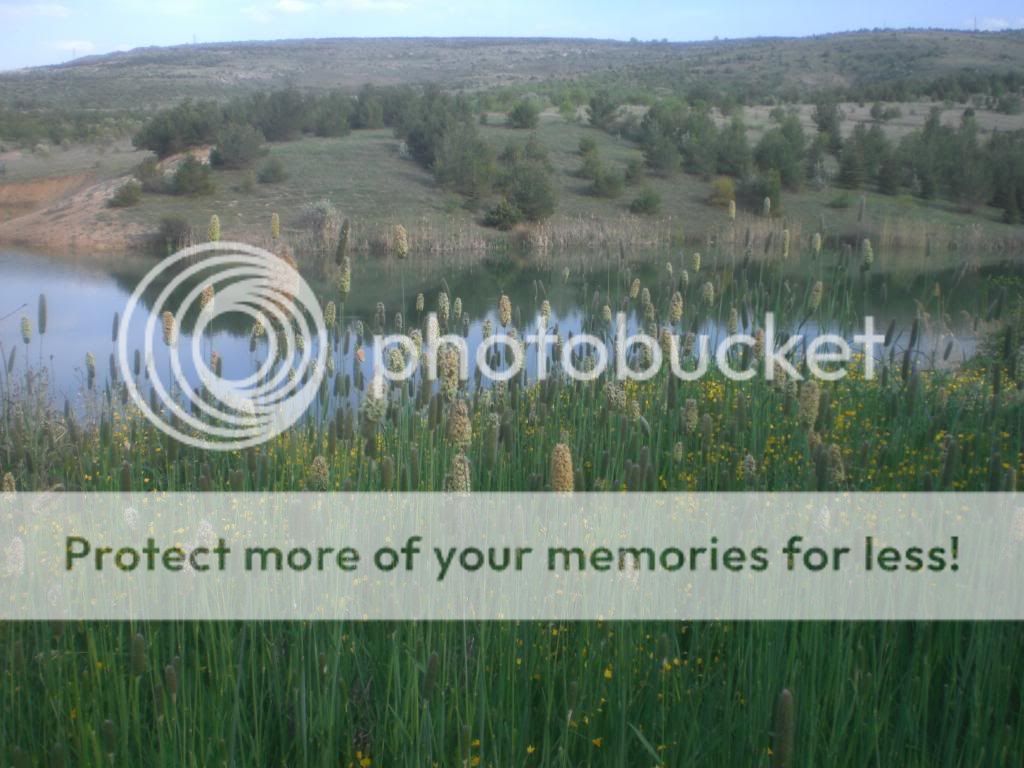
Just now I was looking into different grass species in the Poaceae family and found out that there is a species that really resemble the grass that I was working with - Alopecurus pratensis. I am no botanist and have not done a thorough study of the morphology of P. aquatica and assumed that it has no serious look-alikes. I have no live or dry specimens with me now, I have a few obscure photos from years ago:

The crude extract worked appreciably well as light...
Does anyone have a say on this?
And can anyone provide a definitive guide for how to differentiate these two grass species?
Chimp Z, are you reading? You seem to have a lot of experience with Phalaris and other of your local plants. Would love to meet you
With kindness.
My work on the entheogenic path is focussed on discovering/creating a powerful, sustainable medicine made from local wild plants. I have been working with syrian rue that I wildcraft since over 9 years now. This year I have become a great fan of Russian Olive bark as well. I live in Turkey.
This year I have tried what I thought to be P. aquatica as a partner to the rue and it worked beautifully. I could only do two bioassays and by the time I made up my mind to make a harvest in bulk it was midsummer and surprise surprise, all the aquatica grass had dried out. Now I am waiting for next Spring season to continue with this project.
Just now I was looking into different grass species in the Poaceae family and found out that there is a species that really resemble the grass that I was working with - Alopecurus pratensis. I am no botanist and have not done a thorough study of the morphology of P. aquatica and assumed that it has no serious look-alikes. I have no live or dry specimens with me now, I have a few obscure photos from years ago:
The crude extract worked appreciably well as light...
Does anyone have a say on this?
And can anyone provide a definitive guide for how to differentiate these two grass species?
Chimp Z, are you reading? You seem to have a lot of experience with Phalaris and other of your local plants. Would love to meet you
With kindness.


