bluecereal
Rising Star
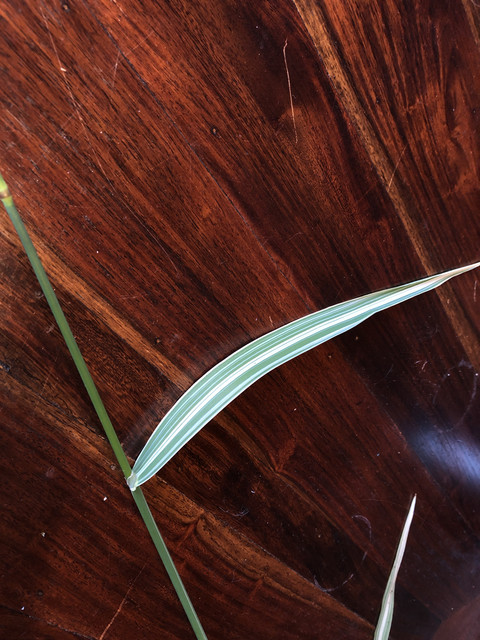
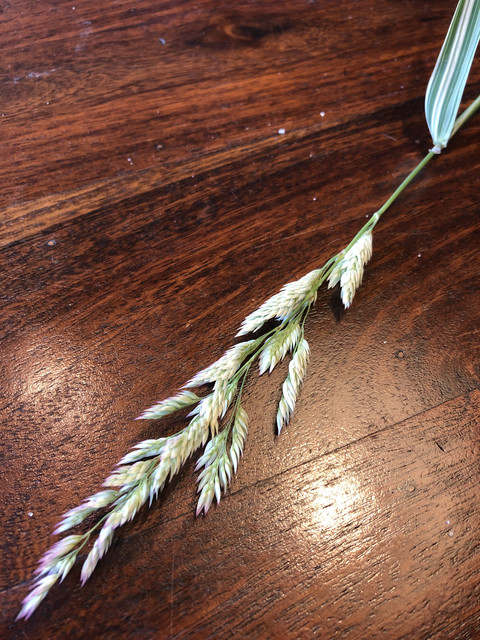
Hello DMT-NEXUS, I'm having trouble identifying this grass. I think it is phalaris arundinacea because of the prominent ligule, and the rhizomes. I found it in a marshy area. The ground was very wet and covered in dying vegetation. The marsh was covered in this grass, which also leads me to believe it is canary grass because of the invasive nature of this species. In this marsh, I also noticed the grass's inflorescence; however, I ignored it because it was dead. The stem upon which the inflorescence sat was about two meters tall. I also observed that the grass grew in clumps, which seems to be a characteristic of the grass I am looking for.
Basically, I am having doubts about the identity of this grass. If any of you could help me identify this species, or recommend other steps for identification that would be super helpful. Thanks.
IMAGES
PS: I am well aware of gramine in phalaris. From my research, I have found mixed reports about gramine content. Posts on DMT NEXUS of the Chromotography of phalaris show ~1% gramine content. I have read that gramine is not soluble in Naphtha, which is the solvent I am using in my extraction.
Basically, I am having doubts about the identity of this grass. If any of you could help me identify this species, or recommend other steps for identification that would be super helpful. Thanks.
IMAGES
PS: I am well aware of gramine in phalaris. From my research, I have found mixed reports about gramine content. Posts on DMT NEXUS of the Chromotography of phalaris show ~1% gramine content. I have read that gramine is not soluble in Naphtha, which is the solvent I am using in my extraction.