ChristianMeteor
Rising Star
Hello my fellow psychonauts,
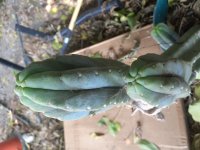
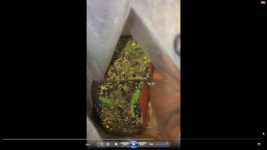
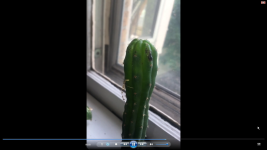
I've included some pictures of my psychedelic garden in this post. I bought the san pedro back in 2016 and after cloning, have two new cuttings. I did have a question, if anyone knows what the little black bubble is on the top of my san pedro. I've never seen something like it before, and I'm wondering if I should top it.
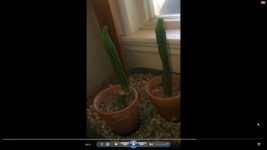
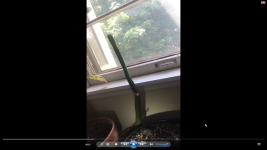
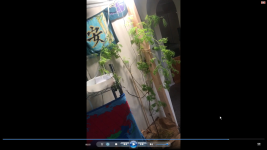
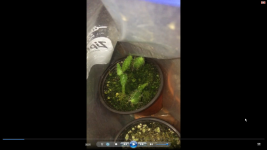
There's also some pictures of my bolivian torch cacti grown from seed, as well as a one year old mimosa hostilis plant grown from seed with the fire scarification method.
I've included some pictures of my psychedelic garden in this post. I bought the san pedro back in 2016 and after cloning, have two new cuttings. I did have a question, if anyone knows what the little black bubble is on the top of my san pedro. I've never seen something like it before, and I'm wondering if I should top it.
There's also some pictures of my bolivian torch cacti grown from seed, as well as a one year old mimosa hostilis plant grown from seed with the fire scarification method.
Attachments
-
 Screenshot+2021-06-09+15-14-20.png589.1 KB · Views: 1
 -
 Screenshot+2021-06-09+15-14-39.png727.1 KB · Views: 1
 -
 Screenshot+2021-06-09+15-14-55.png839.9 KB · Views: 1
 -
 Screenshot+2021-06-09+15-17-42.png689.4 KB · Views: 1
 -
 Screenshot+2021-06-09+15-25-25.png606.8 KB · Views: 1
 -
 Screenshot+2021-06-09+15-24-52.png712.2 KB · Views: 1