• Members of the previous forum can retrieve their temporary password here, (login and check your PM).

Plant based Anti-depressants

Migrated topic.

nen888

member for the trees
Donator
Senior Member
Joined
Jun 28, 2011
Messages
3,947
Merits
42
..there have been a few inquiries on the nex about prescription anti-depressants in conjunction with ayahuasca.
..whatever depression is, it appears to be a growing condition in modern society.. seeing as this site is orientated towards plant extracted self-medication, i thought i would raise the subject of possible herbal anti-depressants/anxiolytics..

..the most promising i know of, with a long tradition in natropathy,
is Passiflora incarnata (native Southern USA, grown worldwide) prescribed (as alcohol tincture or tea) for anxiety/depression/insomnia, it contains active flavinoids as well as betacarbolines incl. harmaline & harman, in the leaves, stem & fruit pulp. ..several people i know have successfully used it daily for severe anxiety..in herbalist doses the effects are very calming..is good for quitting nicotine or cannabis..large doses (300g of plant or more) lead to MAO inhibition..
other passifloras are used in traditional medicine and for relaxation (600 approx species in the americas, pacific and australia, very few chemically explored)

..based on the mid 20thC medical use of MAOIs as anti-depressants (but they were irreversible in effect, and un-patentable, leading to their use decline) we should also consider B. caapi to be a possible herbal anti-depressant, maybe as a tea of a few leaves daily..

..St.John's Wort (Hypericum) achieved minor fame as a herbal anti-depressant a while back..the active ingredient is hypericin, but my own experiments led me to conclude that it shows some irreversable action..eg several days of light sensitivity after a single medium vaporization, and a general oversensitivity..has it's fans though..

..Kava Kava is also prescribed (usually as extracted tablets) for anxiety and insomnia..long history of traditional use around the pacific (Fiji, Vanuatu, Hawaii etc )..stops big warrior fellas fighting.. ..once got a bottle of the (now banned in australia) alcohol extracted kava root..the label said "for anxiety or insomnia take 2-3 tablets daily"..a friend and i took 10 tablets..it was so yummy i don't want to get it banned any further..no evidence of bad toxicity (1 paper which claimed liver toxicity in rats used floral tops extraction..only the roots are used in traditional kava which has hundreds of years of non-harmful use)..large doses may be psychedelic..has mild 'afterhang' effect next day, which leads me to prefer passiflora for regular use..

..lastly, Albizzia julibrissin (Persian Silk Tree) has been found to possess anti-depressant properties mediated by the 5HT-1 receptors..compounds unidentified..i'm going to research this further..

..anyone out there have any experience with herbal anti-depressants, or know of any others?

...
 
Lemon balm-

Medicinal uses

The crushed leaves, when rubbed on the skin, are used as a repellant for mosquitos.[6]

Lemon balm is also used medicinally as a herbal tea, or in extract form. It is claimed to have antibacterial and antiviral properties (it is effective against herpes simplex).[7][8][9]

It is also used as an anxiolytic, mild sedative or calming agent. At least one study has found it to be effective at reducing stress, although the study's authors call for further research.[10] Lemon balm extract was identified as a potent inhibitor of GABA transaminase, which explains anxiolytic effects. The major compound responsible for GABA transaminase inhibition activity in lemon balm is rosmarinic acid.[11]

Lemon balm and preparations thereof also have shown to improve mood and mental performance. These effects are believed to involve muscarinic and nicotinic acetylcholine receptors.[12] Positive results have been achieved in a small clinical trial involving Alzheimer patients with mild to moderate symptoms.[13]

Its antibacterial properties have also been demonstrated scientifically, although they are markedly weaker than those from a number of other plants studied.[14] The extract of lemon balm was also found to have exceptionally high antioxidant activity.[15]

Lemon balm is mentioned in the scientific journal Endocrinology, where it is explained that Melissa officinalis exhibits antithyrotropic activity, inhibiting TSH from attaching to TSH receptors, hence making it of possible use in the treatment of Graves' disease or hyperthyroidism.[16]

Lemon balm essential oil is very popular in aromatherapy. The essential oil is commonly co-distilled with lemon oil, citronella oil, or other oils.

Lemon balm is used in some variations of the Colgate Herbal toothpaste for its soothing and aromatic properties.[17]

Lemon balm should be avoided by those on thyroid medication (such as thyroxine), as it is believed the herb inhibits the absorption of this medicine.[18]

Despite extensive traditional medicinal use, melissa oil was initially prohibited by the International Fragrance Association (IFRA)'s 43rd amendment,[19] but this restriction appears to have been revisited and relaxed in the 44th amendment.[20]

One traditional use of lemon balm tea was in extending age, although this effect has not been proven.[citation needed] Ob-X, a mixture of three herbs, Morus alba, M. officinalis, and Artemisia capillaris, may help regulate obesity.Ob-X, which has an anti-angiogenic activity, reduces body weight gain and visceral adipose tissue mass in genetically obese mice.[21]

Recent research found a daily dose of the tea reduced oxidative stress status in radiology staff that were exposed to persistent low-dose radiation during work.After only 30 days of taking the tea daily researchers found Lemon balm tea resulted in a significant improvement in plasma levels of catalase, superoxide dismutase, and glutathione peroxidase and a marked reduction in plasma DNA damage, myeloperoxidase, and lipid peroxidation.[22]

Magnolia is also worth checking out as well-

The bark is stripped from the stems, branches, and roots and used in traditional Chinese medicine, where it is known as houpu (thus the common names). This bark is highly aromatic and contains magnolol and honokiol, two polyphenolic compounds that have demonstrated both anti-anxiety and anti-angiogenic properties. It has also been shown to reduce allergic and asthmatic reactions. Today, the bulk of bark used for commercial and domestic use is supplied by plants in cultivation.

Both quotes from wiki, from my experience they both appear to have the affects described.
 
Salvia divinorum, sublingual very small quantities( sub-halucinogenic) 2-3 times a week cured treatment resistant ( to coventional medication) depression in a number of subjects, including yours truly.
 
..thanks Global, The Day Tripper & arcanum, i hadn't contemplated any of these (except noticing that salvia d. makes me feel better no matter how weird the experience)

..lemon balm must be the best tasting so far..
..blue lotus is fascinating, i'd like to know how it works for seriously depressed people..

..i loved magnolias as a child (found them very 'Starwarsian' for no clear reason)..i'm very curious about them now...
 
..thanks fractal enhancement, i'm wondering if anyone has done work on depression with caapi (in an experimental sense, or working with other people) ..i'd assume it to be good
..passionflower, having small amounts of harmaline, is to me in the 'harmala' camp..
 
Fish oil - actually comes from algae I believe... spirulina has some EPA and DHA in it for instance. Those omega 3s have some pretty convincing support for being very powerful antidepressants.

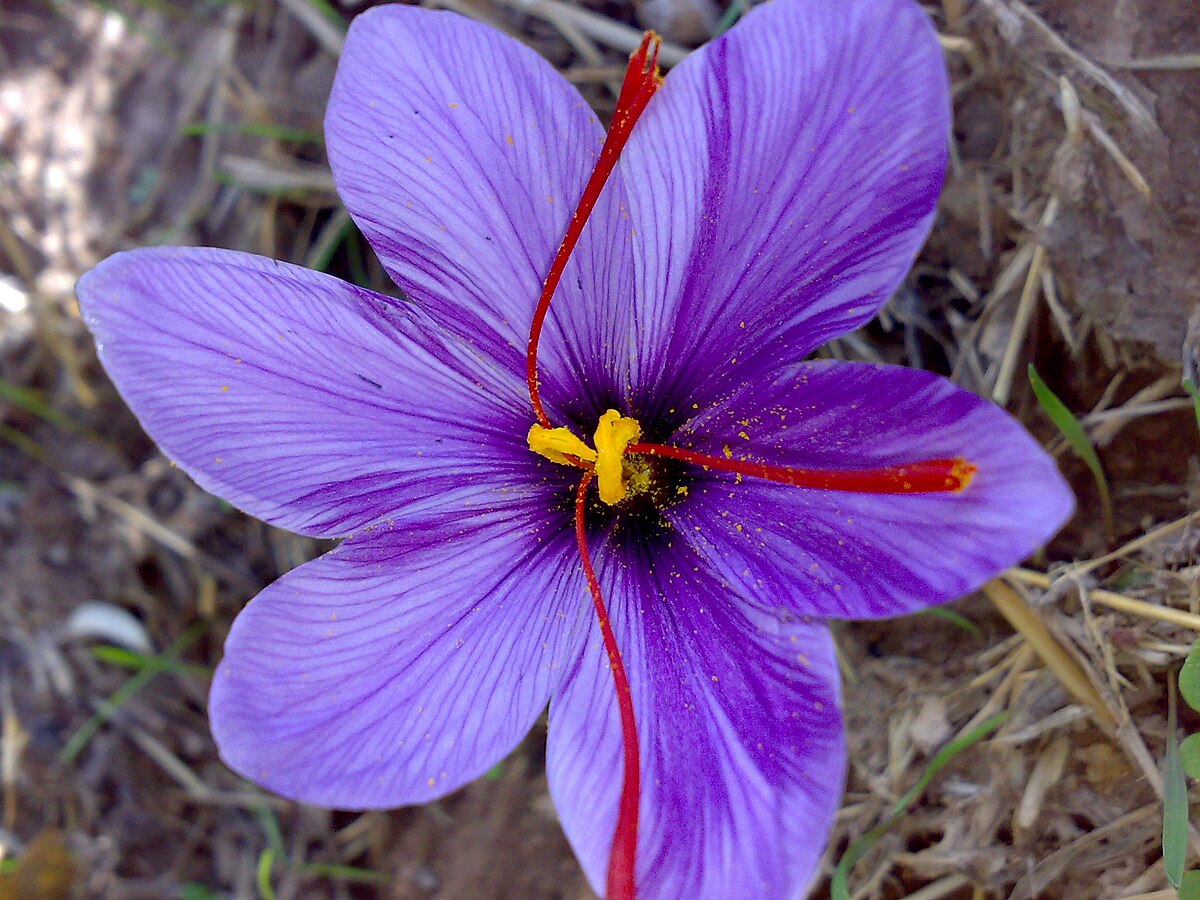
Saffron

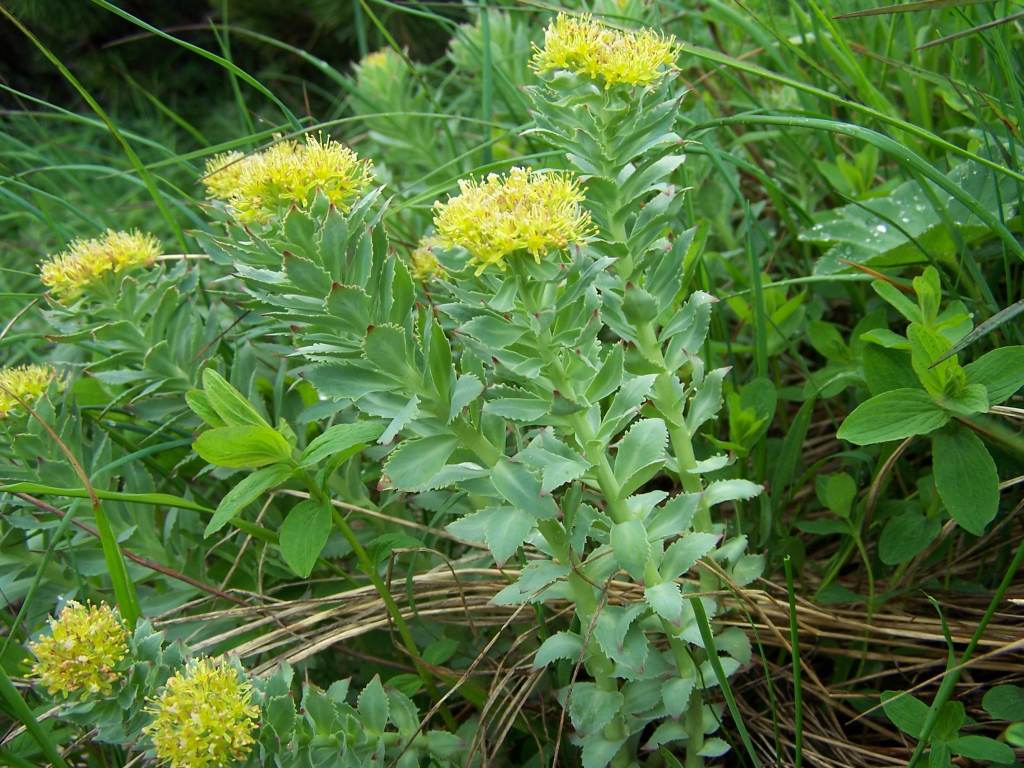
Rhodolia Rosea

lots of other herbs can help reduce anxiety and stress which could be the cause of some peoples depression:

ashwaganda

pineapple sage

Maybe the best thing to try at first is changing diet / eating habits, getting excersize, and having more sex.
 
nen888 said:
..thanks fractal enhancement, i'm wondering if anyone has done work on depression with caapi (in an experimental sense, or working with other people) ..i'd assume it to be good
..passionflower, having small amounts of harmaline, is to me in the 'harmala' camp..

In the huasca project they found strong evidence of seratonin reseptor upregulation from caapi use. Ive taken micro doses of caapi, and occasionally rue daily for many months now with great results.
 
Although I am less experienced than many here, I can testify to the awesome anti-depressant properties of rue and caapi. For me its worked as a reset button. I have yet to experiment much in microdosing, but sometimes if things get a little on top of me, a nice dose of either works as a great grounder, and provider of much needed perspective.

Microdosing is an attrective proposition though, as sometimes in heavier doses I can lose a whole day, immobilised; which is not too practical all the time.
 
fractal enchantment said:
Ive taken micro doses of caapi, and occasionally rue daily for many months now with great results.
Likewise...although not for more than a month or two at a time. The caapi is usually as small doses of tea and the rue as extracted fb. It really helps during winter, both alone and in conjunction with other stuff.
 
Caapi microdosing is very nice. Big doses of vine-only brews once a week or more can also work wonders, especially in combo with the microdosing

also- in the winter/fall i find that taking a hefty dose of Vitamin D really helps to shake the winter blues. and even just meditating in a sunlight room with rays on my face is enough to make my mood turn around completely

obviously, all of these herbal anti-depressants work best when used in combo with a healthy lifestyle..meditating, getting proper nutrients, plenty of water, and plenty of exercise (yoga ftw)ect.

all this can work wonders!
 
san pedro tincture was administered to "patients" who suffer from depression over an extended period simular as any other medication and feedback was super, it really seemed to do the trick (in this form it is not very concentrated and it would be fairly difficult to consume enough to trip but in this dose it certainly appears to be a very good antidepressant)
 
Cocoa and green tea are mild antidepressants. st johnsworth is a quite powerfull antidepressant but also causes some real side-effects for some people, like you can expect from a powerfull medicine.
Calamus has some antidepressant effects as well.

I wouldn't be surprised if iboga could be used as a very powerfull antidepressant, since it has several mechanisms that are known to have antidepressant effects (it's an NMDA-antagonist, SSRI and it has dopaminergic effects simmilar to those of caapi).
Iboga can have some powerfull side-effects as well that are simmilar to the effects of depression itself though, like insomnia and and lack of appetite. Those side-effects could worsen the condition of some depressive patients as well.

Each person is different and what works for one person could worsen the condition of another person and have no effects at all for someone else.
 
..much thanks everyone for the responses:) , it would be good to get an eventual idea of daily/weekly average dosage ranges (for depression or anxiety) ..i'll take in all the new posted info.

..hey thanks The Day Tripper for all the info on lemon balm,

Lemon balm and preparations thereof also have been shown to improve mood and mental performance. These effects are believed to involve muscarinic and nicotinic acetylcholine receptors.

..this means it would also be good for Nicotine withdrawl, which puts most people in a not good mood..

really interesting herbmal medicine...
 
I,ve been taking caapi powder in capsules daily for almost a month
Now and am having great results. It works for depression big time .
Vitamin D is a big one for everyone to consider .
Low levels of vitamin D can really have dramatic effect on mood.
 
..i've heard bananas are a natural source of serotonin (less sweet african varieties especially high)
..Terence McKenna once told me about a small tribe in Uganda whose tradtional diet was 90% bananas (particularly 'savory' varieties)
..when anyone would leave the tribal area for an extended time they would appear to 'go mad' (become psychotic or depressed)
..upon returning home, within weeks, they would be fine..
..it was found that over centuries these closely related people had lost (or partially lost) one of the genes for serotonin production (supplemented via their diet) ..

Phantastica, mucuna pruriensis seems to be a very interesting plant...
 
arcanum said:
Salvia divinorum, sublingual very small quantities( sub-halucinogenic) 2-3 times a week cured treatment resistant ( to coventional medication) depression in a number of subjects, including yours truly.
I can attest to this as well. I don't take sublingual doses, I smoke mine, but it works the same. And I'm sure I could use it only 2-3 times a week with the same results, but I also use it as a spiritual/exploration tool, so I use it pretty much daily.
fractal enchantment said:
harmala and caapi.
I've been becoming more and more interested with caapi. I've never felt as good as after having a nice caapi brew or caapi extract dosage. Very, very positive feeling. And it just makes you feel clean, healthy. That sort of thing.
 
Back
Top Bottom