i stumbled upon an interesting observation regarding the possible isolation and fast colonization of periglandula clandestina while performing a standard extraction on opomoea tricolor heavenly blue. i found a peculiar mycelial growth that contradicts the typical morphology of common opportunistic fungi.
- 10g seeds(ITHB), were finely ground.
- the ground seeds were defatted with petroleum ether (C6-C7 alkanes), then dried thoroughly with pc fan
- the seed mash was soaked in 150ml distilled water/citric acid solution (ph3).
multiple vacuum cycles at -85kPa.
- ultrasonic bath sonication (3 sessions of 5 minutes) in a supersaturated salt-water bath pre-chilled to -15°C.
- the seed mash was strained through a fresh, sterile mulch fabric pouch and discarded into a clean jar.
- the jar was sealed with its ap and kept in a basement at a constant 18~20 °C for 6 days.
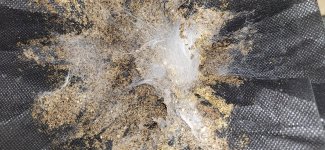
Upon opening the jar today (6 days later), i found the seed grounds heavily colonized by a snowwhite mycelium.
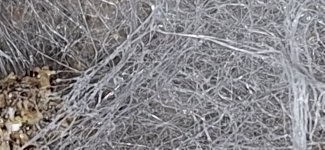
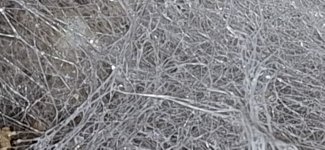
The hyphae are highly organized, translucent, and aerial. unlike mucor or rhizopus, which typically show dark pinheads after 144 hours, this growth remains purely white and structural.
A separate extraction of mhsb performed under identical conditions and stored lose on an open caserole next to it showed no fungal infestation suggesting the source is endogenous to the ithb seed
the literature i found sugests that periglandula is extremely slow growing on standard dextrose agar. i suspect that the "secret" to its activation might be a combination of: low pH (3) which inhibits most competitors, the use of the milled seed itself (the full symbiotic chemical profile) rather than a simplified agar and the low 18~20°C environment
if this is indeed periglandula, the "spawn rate" observed is remarkably high. this could open a door to cultivating ergoline producing biomass without the need for full plant growth.
i’ve attached photos, regular and 10x zoom. i’m curious to hear thoughts from you guys, specifically anyone with experience in mycology
- 10g seeds(ITHB), were finely ground.
- the ground seeds were defatted with petroleum ether (C6-C7 alkanes), then dried thoroughly with pc fan
- the seed mash was soaked in 150ml distilled water/citric acid solution (ph3).
multiple vacuum cycles at -85kPa.
- ultrasonic bath sonication (3 sessions of 5 minutes) in a supersaturated salt-water bath pre-chilled to -15°C.
- the seed mash was strained through a fresh, sterile mulch fabric pouch and discarded into a clean jar.
- the jar was sealed with its ap and kept in a basement at a constant 18~20 °C for 6 days.
Upon opening the jar today (6 days later), i found the seed grounds heavily colonized by a snowwhite mycelium.
The hyphae are highly organized, translucent, and aerial. unlike mucor or rhizopus, which typically show dark pinheads after 144 hours, this growth remains purely white and structural.
A separate extraction of mhsb performed under identical conditions and stored lose on an open caserole next to it showed no fungal infestation suggesting the source is endogenous to the ithb seed
the literature i found sugests that periglandula is extremely slow growing on standard dextrose agar. i suspect that the "secret" to its activation might be a combination of: low pH (3) which inhibits most competitors, the use of the milled seed itself (the full symbiotic chemical profile) rather than a simplified agar and the low 18~20°C environment
if this is indeed periglandula, the "spawn rate" observed is remarkably high. this could open a door to cultivating ergoline producing biomass without the need for full plant growth.
i’ve attached photos, regular and 10x zoom. i’m curious to hear thoughts from you guys, specifically anyone with experience in mycology