Propagation of Acacias
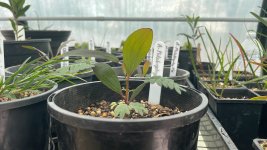
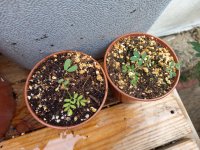
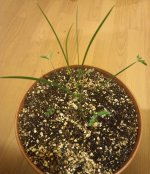
This thread is a dedicated space in which nexians are welcome to post their progress/knowledge in propagating acacia. Share techniques, grow logs, media, failures/successes, seed sourcing/collecting and any other propagation related info here. I'd love to see what members are doing in this area, as its a bit scattered on the forums.. hoping that this may consolidate discussion of the topic into a succinct space, and develop into a useful resource for anyone interested in propagating these plants.
Below is some basic info on propagating Acacia - which I will continue to update as the thread develops and as we continue building knowledge. Much of the following information is sourced from Marion Simmons's "Acacias of Australia: volume one/two". I couldn't recommend the two volumes highly enough.. whether for learning about propagation or identification/general information on the genus. The two volumes are as close as you'll get to the bible on Australian acacia.. I'd say much of her info can be applied to acacia outside of oz. She also has a book Growing Acacias which no doubt goes into significantly more depth. I am yet to get my hands on a copy.
Germination
The vast majority of Acacias require scarification before germination can take place. Scarification allows the seed to absorb moisture; causing swelling, and - in the right conditions - the sprouting of the tap root. This process brings the seed out of dormancy.This thread is a dedicated space in which nexians are welcome to post their progress/knowledge in propagating acacia. Share techniques, grow logs, media, failures/successes, seed sourcing/collecting and any other propagation related info here. I'd love to see what members are doing in this area, as its a bit scattered on the forums.. hoping that this may consolidate discussion of the topic into a succinct space, and develop into a useful resource for anyone interested in propagating these plants.
Below is some basic info on propagating Acacia - which I will continue to update as the thread develops and as we continue building knowledge. Much of the following information is sourced from Marion Simmons's "Acacias of Australia: volume one/two". I couldn't recommend the two volumes highly enough.. whether for learning about propagation or identification/general information on the genus. The two volumes are as close as you'll get to the bible on Australian acacia.. I'd say much of her info can be applied to acacia outside of oz. She also has a book Growing Acacias which no doubt goes into significantly more depth. I am yet to get my hands on a copy.
Germination
It can be done via a number of methods; as outlined below.. again, I'll continue to update all of this.
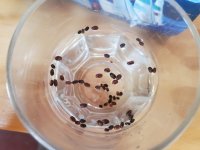
Boiling water treatment - This method is fast and easy to do with larger quantities of seed and involves boiling the seeds in water to cause swelling. Once seeds are swollen, they can either be direct sown in desired medium or pre-germinated on a damp porous surface. Paper towell, chux cloth or wet sand works well. Sterilised sand is perhaps less likely to breed bacteria compared to paper towel.
Manual scarification/cold water soak - Damaging of the outer seed coat and soaking in cold water. Most commonly fine grit sandpaper or a nail file are used to nick the outer coat. When scarifying this way, it is advisable to avoid hot water - you don't want to cook the inner seed. Use rain water, spring water or distilled water. Treated tap water should probably be avoided.
Methods of growing
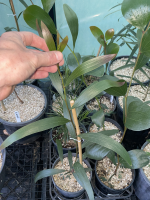
Acacia can be grown from seed as well as cuttings. Cuttings will ensure true to type characteristics, while seeds can vary in their genetic expression. Some types of acacia are easier to grow from cuttings than others - bipinnate or 'fern-like' plants are more difficult than plants with phyllodes.. I believe because they will fall off the stems when stressed more easily than phyllodes which hold more moisture
Growing medium
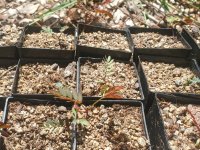
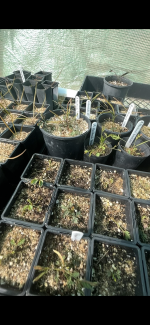
Acacia likes being grown in a well drained mix.. its worth noting that they really don't like wet feet (except maybe some of the more swampy species). Tried and tested is a mix of three parts river sand to one part loam, coco coir or peat moss. Coir is popular as it is cheaper than peat. Sand allows the mix to drain freely while peat moss/coir helps retain a little moisture and helps bind the mix - as sand can fall out the bottom of the pot when moved/watered. Once the roots have developed a little they will also help bind the medium, preventing sand loss. A small amount of perlite will help aerate the mix.
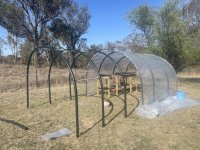
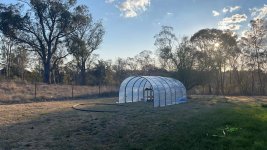
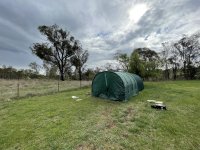
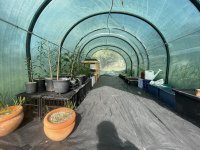
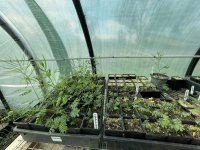
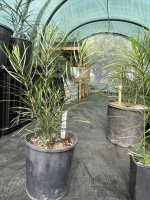
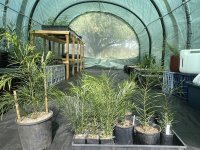
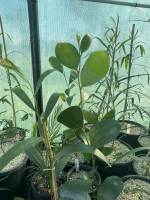
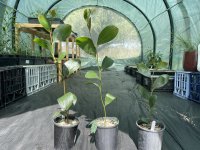
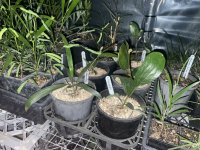
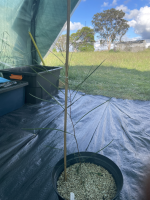
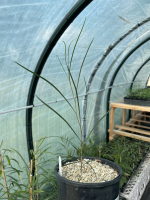
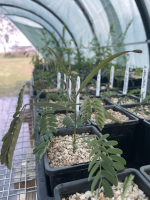
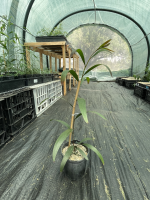
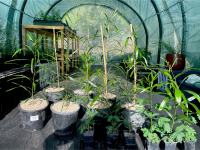
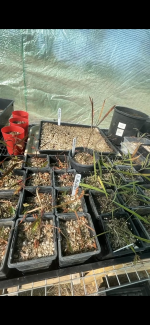
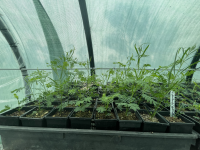
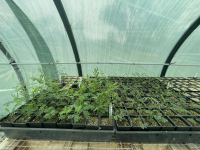
Depending on your climate, its probably a good idea to grow seedlings in partial shade - full sun can scorch the sensitive little seedlings. When they start maturing, they can be hardened in the elements.. this is best if done gradually as sudden changes will likely shock the plants. A greenhouse setup that is partially shaded and holds heat/humidity works well for the early stages of their life. It's important for there to be ventilation as lack of airflow will result in weak stems. A cost effective option is to build a 'hoop house' with star pickets, poly pipe, greenhouse plastic and shade cloth.
Sourcing seed
Of the lesser researched species, I recommend sourcing seed from confirmed active specimens. Species such as Acacia floribunda and Acacia maidenii seem to have some differen't forms - and much of the seed from vendors probably won't be what you're looking for. Obviously many those outside of Australia can't be as selective with seed.. I think those of us who have access to seed from yielding strains of known variable species should collect, grow and produce seed of these 'type' forms. I hope there can be a standard of seed reached that becomes easy for people to acquire. But my point is for species like maidenii and floribunda, first confirm whether the seed is from a confirmed active plant to avoid future disappointment.
So .. surely there is lots of Acacia confusa being grown by members here? Are many growing African Acacia?
Don't be shy! Can't wait to see what people can bring to the thread.

Last edited: