Grasshoppers
Titanium Teammate
Preamble
Grasses, enduring through the ages, have flourished upon the earth, unravelling the fabric of reality to reveal the underlying essence of the cosmos. With each seed sown and every plant nurtured, nature's mysteries unfold before us, guiding us toward a promising tomorrow.
Within this discourse, we shall explore our methodology for selecting and cultivating Phalaris, offering our insights and expertise to the psychedelic community. As our plants take root and flourish, we hope they will emerge as beacons of progress, illuminating the path forward by dispelling the shadows of ignorance and ushering in enlightenment.
Project Methodology Overview
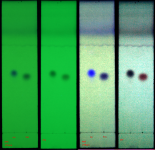
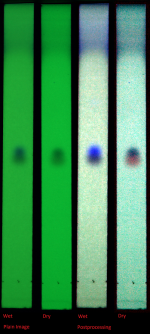
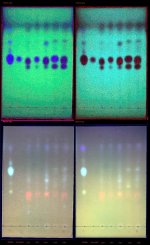
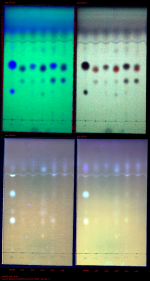
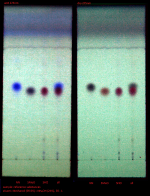
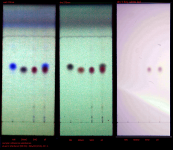
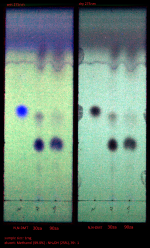
The project methodology encompasses the systematic selection, controlled breeding, and cultivation of Phalaris specimens sourced globally. This selection process is facilitated through Thin-Layer Chromatography (TLC) and bioassay techniques for the identification of desirable traits.
Selected specimens undergo controlled breeding procedures, aimed at consolidating and enhancing the desired genetic characteristics. Through deliberate mating, the genetic pool is manipulated to produce offspring with optimal traits.
Subsequently, the cultivated offspring undergoes rigorous selection process to further refine desirable attributes, ensuring the propagation of superior genetic material.
In light of our commitment to inclusivity and accessibility, it is imperative that our research methods remain practical and cost-effective. By utilizing easy-to-use and readily available techniques, we ensure that individuals from diverse backgrounds can actively participate in the project.
A key aspect in this programme involves the creation and dissemination of new phalaris breeds consolidated as cultivars to the psychedelic community. By sharing these plants, we aim to facilitate collaborative research endeavors and foster innovation.
Current Project Status
Seeds from more than 15 wild accessions have been grown, evaluated, selected, and incorporated into the breeding program.
We are currently working with the F2 generation of the selective breeding program.
We have successfully isolated plants that produce exclusively DMT or 5-MeO-DMT.
Bioassays have confirmed the potency, observed effects, and benign profile of the extracted alkaloids.
In future generations, we plan to introduce additional wild germplasm into the breeding lines to maintain genetic diversity, broaden allele richness, and support higher yields and adaptation to different climatic conditions.
Key Findings
Contribute
1. Source wild P. aquatica seeds
If you come across wild populations, collect seeds and send them our way, you’ll get seeds from our breeding lines in return. If your seeds turn out to be promising, we’ll incorporate them into the gene pool.
2. Grow and test breeding line seeds
If you have the ability to do basic analysis, you can help by growing and testing plants from the breeding pool. TLC is relatively easy to learn and already gives useful insights. We’ll provide seeds for this.
3. Identify and share top performers
If you find high-yielding individuals, help distribute them (and their seeds). Spreading strong genetics is key to improving the overall pool.
Open Research Topics
Supplementary Material
See also
Last Update
2026/04/13
Grasses, enduring through the ages, have flourished upon the earth, unravelling the fabric of reality to reveal the underlying essence of the cosmos. With each seed sown and every plant nurtured, nature's mysteries unfold before us, guiding us toward a promising tomorrow.
Within this discourse, we shall explore our methodology for selecting and cultivating Phalaris, offering our insights and expertise to the psychedelic community. As our plants take root and flourish, we hope they will emerge as beacons of progress, illuminating the path forward by dispelling the shadows of ignorance and ushering in enlightenment.
Project Methodology Overview
The project methodology encompasses the systematic selection, controlled breeding, and cultivation of Phalaris specimens sourced globally. This selection process is facilitated through Thin-Layer Chromatography (TLC) and bioassay techniques for the identification of desirable traits.
Selected specimens undergo controlled breeding procedures, aimed at consolidating and enhancing the desired genetic characteristics. Through deliberate mating, the genetic pool is manipulated to produce offspring with optimal traits.
Subsequently, the cultivated offspring undergoes rigorous selection process to further refine desirable attributes, ensuring the propagation of superior genetic material.
In light of our commitment to inclusivity and accessibility, it is imperative that our research methods remain practical and cost-effective. By utilizing easy-to-use and readily available techniques, we ensure that individuals from diverse backgrounds can actively participate in the project.
A key aspect in this programme involves the creation and dissemination of new phalaris breeds consolidated as cultivars to the psychedelic community. By sharing these plants, we aim to facilitate collaborative research endeavors and foster innovation.
Current Project Status
Seeds from more than 15 wild accessions have been grown, evaluated, selected, and incorporated into the breeding program.
We are currently working with the F2 generation of the selective breeding program.
We have successfully isolated plants that produce exclusively DMT or 5-MeO-DMT.
Bioassays have confirmed the potency, observed effects, and benign profile of the extracted alkaloids.
In future generations, we plan to introduce additional wild germplasm into the breeding lines to maintain genetic diversity, broaden allele richness, and support higher yields and adaptation to different climatic conditions.
Key Findings
- The distribution of total N,N-DMT content among individual plants is right-skewed, with a high frequency of low-concentration specimens and a long tail extending toward higher concentrations.
- Notably, 5-MeO-DMT appears to be particularly sensitive to high concentrations of NaOH (50% concentration was tested) during the extraction process.
- The species is sensitive to disruptions in its seasonal cycle: Never move Phalaris aquatica indoors during winter.
- P. aquatica in pots starts dying below -10°C.
- Breeding for DMT Produces Three Distinct Chemical Types in Phalaris aquatica
- Agronomic Characteristics Associated with Different Chemical Profiles in
Contribute
1. Source wild P. aquatica seeds
If you come across wild populations, collect seeds and send them our way, you’ll get seeds from our breeding lines in return. If your seeds turn out to be promising, we’ll incorporate them into the gene pool.
2. Grow and test breeding line seeds
If you have the ability to do basic analysis, you can help by growing and testing plants from the breeding pool. TLC is relatively easy to learn and already gives useful insights. We’ll provide seeds for this.
3. Identify and share top performers
If you find high-yielding individuals, help distribute them (and their seeds). Spreading strong genetics is key to improving the overall pool.
Open Research Topics
- Exploration of environmental factors, including daytime and seasonal variations, on alkaloid concentration and composition.
- The effects of SiO2 supplementation on the concentration of N,N-DMT and 5-MeO-DMT and other alkaloids in high yielding clones.
- To catch the changes in alkaloid levels throughout the lifecycle of Phalaris, carry out periodic testing on carefully chosen mature plants over a period of at least one year. This extensive duration will allow us to capture the nuanced fluctuations in alkaloid levels within the selected plants, thereby enhancing our understanding of their dynamic nature.
- Investigation of the biosynthetic pathway for N,N-DMT synthesis aims to identify metabolic bottlenecks—particularly by applying tryptophan and tryptamine to determine whether the rate-limiting step lies with tryptophan decarboxylase activity or upstream in the shikimate pathway.
Supplementary Material
See also
Last Update
2026/04/13
Attachments
Last edited:








 )
)
 . Ok I suspected that you will take notice of something like that hahaha let me spare you the guessing; grasshoppers as the name suggests (in plural) are a group of passionate phalaris enthusiasts and friends of mine from Germany. Together we collaborate for this breeding programme. Each of us plays a key role and ads something to the project. We've been working on this underground outside of the Nexus but we think it's about time to bring this out to the light to learn and share more on these promising species.