• Members of the previous forum can retrieve their temporary password here, (login and check your PM).

Acacia photo gallery

Migrated topic.
acacia lanigera var. whanii?

img1170c.jpg


img1171h.jpg
 
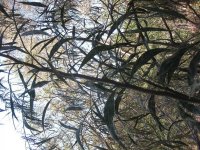
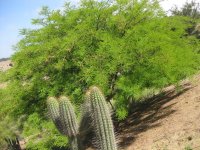
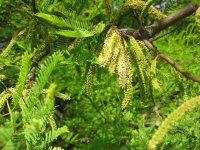
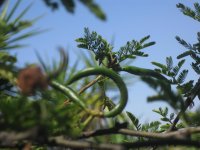
Photos are to be shared! And thanks for the ID on that, Ill look into the plant more when I get some time. Below we've got a random acacia growing near hybrid lane. A suspected saligna glistening resplendently haha. Another unidentified acacia. And a few pictures of a Prosopsis I snuck in there.
 

Attachments

  • acaciaground.jpg
    acaciaground.jpg
    156 KB · Views: 0
  • asaligna3.jpg
    asaligna3.jpg
    98.3 KB · Views: 0
  • 6thacacia.jpg
    6thacacia.jpg
    236 KB · Views: 0
  • mesquite3.jpg
    mesquite3.jpg
    210.4 KB · Views: 0
  • mesquite2.jpg
    mesquite2.jpg
    144.3 KB · Views: 0
  • IMG_5010.JPG
    IMG_5010.JPG
    701.3 KB · Views: 0
the beautiful looking and smelling Acacia Melanoxyn .... definitely reccomend having a sniff of this trees flowers they are absolutely magical. would make a good oil incense

img1038ft.jpg


Acacia myrtifolia

img1046kl.jpg
 
unsure between Acacia maidenii and Acacia floribunda on this next one.. originaly i was leaning more towards maidenii..though i recently read that floribunda has a habit of hybridising with other trees ..maybe this is a floribunda hybrid.. maybe not. it seems generally accepted that the commercial floribunda has narrower phyllodes which aren't quite as long.. though some older sources seem to say and show differently.. such as the image i've posted underneath from the book "Acacias of Australia" by Marion Simmons. typing acacia floribunda into google images comes up with quite a variable set of trees too, all with very similar attributes, but distinct variations.. especially in the phyllodes
I have a feeling acacia floribunda is an extremely variable species and a number of genetic variants may have been lumped under this species name. this tree also had quite hairy phyllodes and had no basal gland as floribundas are renowned for lacking. complicating things once more though a book i read yesterday stated the floribunda does have a basal gland... i may start a separate thread about this phenomenon because i have a feeling it may have a lot to do with why some people are having consistent success extracting from this plant and why others are having consistent failure. I saw a few floribundas out in the wild today and boy did the trunks look differen't to the ones found in the urban areas.. much smoother, and taller... probably around 6 or 7 metres. intead of the trunk splitting into two at the base, it had the one main trunk all the way to the top.. the bark was much cleaner and less rugged than the floribunda found in the urban suburbs around melbourne.. i will make an effort to go back and photograph this tree tomorrow

img1202jb.jpg


img1190ew.jpg
 
a typical commercial acacia floribunda..these have been planted by the masses by council in victoria. smells amazing and has beautiful soft hairy and papery phyllodes.. one of my favourite trees.. ever :)

 
ok, so continuing with the floribunda, this is the tree i mentioned earlier, which I noticed differed greatly in the trunk bark in both texture and height to the commercial varieties that seem to split into two main trunks at the bottom and have slightly greyer and rougher bark. the commercial varieties also do not get anywhere near the height of this fella who was probably around 7-8m tall. I have a strong feeling that this may be the active style floribunda that is spoken off, though I am yet to test it. it is next on my list however and i'll post my results in the improving acacia info thread

1005436.jpg


1005438.jpg


1005437w.jpg


1005434r.jpg


1005432.jpg
 
yeah we're pretty lucky over here in aus.. great in spring theres always a yellow tinge to everything from all the acacias
 
nice wage :)

i luuuuuuuuuuuuuurv longifolia

went to the grampians today a few hrs from melbourne.. absolutely amazing place and such a great range of acacias. was amzing seeing kangaroos just chillen in the town laying in the grass... could walk right up to them! it was also really interesting observing the differen't species at certain altitudes on the mountain and how they seemed to be hybridizing with each other. found some acacia oxycedrus and a few of what seemed to be hybrids of it too
 
Back
Top Bottom