..thanks Dozuki, i'll work on finding a link/PDF..
i recall the phalaris-huasca affected one experimenter a lot more than the other..?
.
i recall the phalaris-huasca affected one experimenter a lot more than the other..?
.



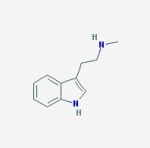
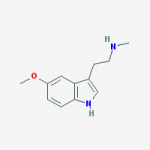
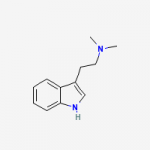
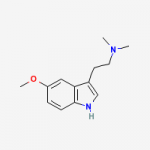
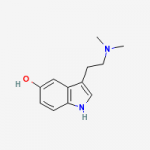
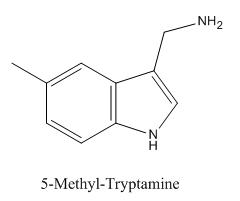
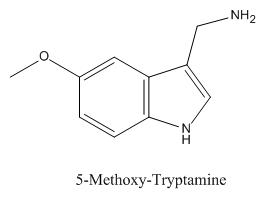
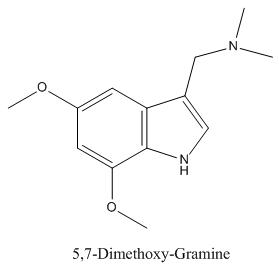
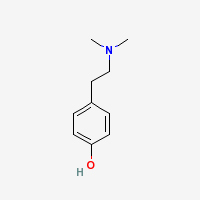
 I think that it could account for 'toxic' like effects of P. aquatica with brews that are reported here and there. However, it still puzzles me about similar reports with P. arundinacea. I have not found any refs of tyramines being reported from that species, however, due to the way that most of the refs I have do the extractions, they would exclude these tyramines as they stay in the aqueous portions of the extractions and don't go into the solvents (they are zwitterionic and stay in both the acid and base solutions). This is why there are more recent articles proposing new methods to include the tyramines in the studies. The older ones missed them. *If* P. arundinacea did in fact produce the tyramines (other than hordenine) this could totally explain Johnny Appleseed's need to simmer for only 15 minutes as well as explain why he never succeeded in "isolating the toxicity" and breeding it out. A little TLC could suss this out pretty easily. The fact that both species produce hordenine is at least a clue to the possibility that P. arundinacea *might* also produce tyramines.
Dozuki said:they are zwitterionic and stay in both the acid and base solutions

benzyme said:i've been saying that for the past two years.
I guess people would still rather invest in rootbark than a chromatography column
and some silica.
Cleaned silica gel (100 g) was soaked in 250 ml of di-
chloromethane containing a weighed amount of Adogen
464. The mixture was stirred mechanically for 3 hr and
then the solvent was evaporated under reduced pressure at
room temperature and the air-dried product was stored in
a bottle.
More recent work strongly suggests that one or more, up to several novel furanobisindoles may be involved in the toxicity. Several have been characterized.
See the recent published accounts by N. Anderton, C.A. Bourke, S.M. Colegate and R. Oram for more
details concerning their research
zwitterionic and high water solubility across a broad pH range...benzyme said:this statement is incomplete
..as others mentioned earlier the Italian 'AQ1' strain (of, i believe, Phalaris aquatica) standing for 'alkaloid quotient one'..i.e 1% of dry weight..despite finding mainly DMT, this was the strain that was unpredictably potent in an ayahuasca analogue..strains should be propagated by root division to ensure continuation of genetic profile...Besides 'Big Medicine', what are the best types of Phalaris for this?