neurobloom
Titanium Teammate
downwardsfromzero said:Some thoughts on breaking dormancy...
I've also heard of smoke breaking phalaris seed dormancy. While wondering how sulphuric acid might be breaking the dormancy, it occurred to me that maybe ethylene was being produced (very) locally from some kind of reaction with the seed coat. Ethylene (ethene) is thought to be one of the components of smoke that contributes to breaking dormancy, so here's an idea - what if putting the germinating seeds with a ripe banana might help? Bananas are well known for their ethylene output inducing ripening in other fruit, so there is a chance it can be applied here.
It may be that this only applies to the temperate phalaris species, I don't know. Nor can I see how this might relate to cold germination, not that it needs to.
I have already done the smoking step before mixing the seeds with soil. I have a beekeeping smoker I put dried and crushed up phalaris panicles inside the smoker lit it up and smoked the seeds in a container.
I have no question that bananas skin releases ethylene however the skin tends to rot very easily and grow mold in wet envirement. That's bad news for germinating seeds. This is why I have heat treated the soil before mixing in the seeds and adding water so no mold can form.
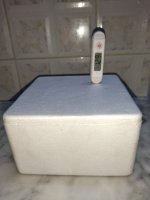
This is how it's done in agricultural laboratories. I used a small styrofoam box with a tight lid as container to retain a stable temperature. And bought a good thermometer poke a hole with it into the box till it reaches the soil to check the Temperature and know which is the best spot in the fridge for a 9 celcius at night and 15 celcius at morning. I end up moving this box up at day and putting it down lower in the fridge at night where I keep vegetables around 14/15 celcius.
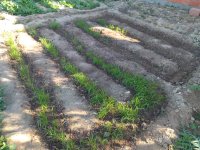
Anyways it worked.
The sulfuric acid breaks dormancy by etching the seed coat which helps water permeates it. You only need about 2~3 minutes to break dormancy this way then wash the seeds and set for germination. It would have been much quicker this way.
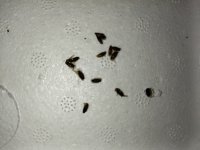

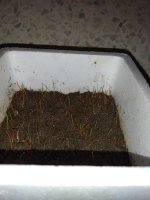
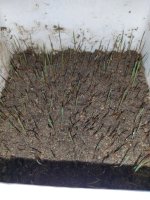
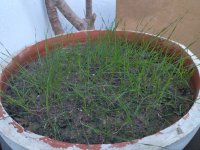
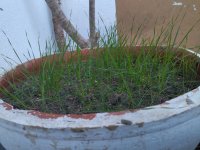
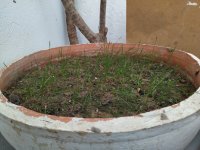
 I'm looking forward to bioassay an extract from this grass properly vaped.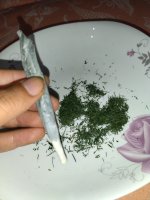
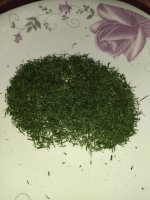
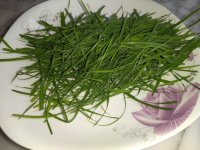
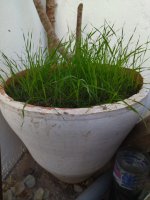
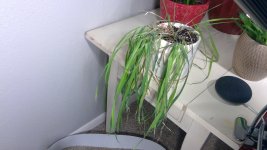
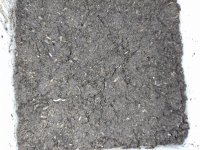
 I had to follow the ants to their nests digged a hole in their nest and collected the seeds they (ain't going to get robbed!) gathered and scattered back these foraged seeds along with some soil and covered with a thicker layer of soil to hide them from these hungry ants.