i'm pasting my response to similar thread
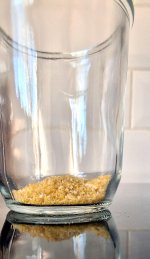
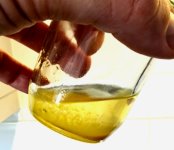
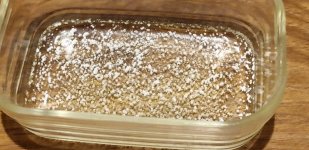
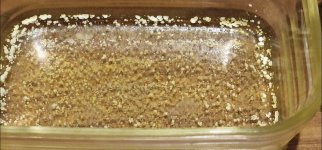
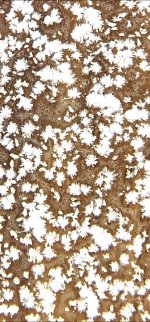
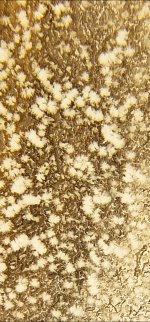
DMT is Polymorfik ....it can be a clear oil ,goo , red , white , yellow , tan , oil, waxy , crystals .......it all tests as DMT , some forms are harder to vape or desolve ect but its all DMT , jungle spice debunked it tests 97% DMT
.why is this not common knowledge ? ..
.. but a water wash before putting in freezer ,good idea this should ensure most all contams gone . or so that's what reading all the ....LATEST Infot tells me .
some people can get the goo ect to rex into crystal form ect ,,
All of this is based on a few papers i read in last few years , not from my personal work
AFOF ... just uses goo or oil , for changa ,
I AM NO EXSPERT HEH SPIRT ha
i failed high school basic chemestry ,, to distracted ha ha
good luck
Polymorphism is related to allotropy, which refers to elemental solids. The complete morphology of a material is described by polymorphism
In crystallography,
polymorphism is the phenomenon where a compound or element can crystallize into more than one
crystal structure.
The preceding definition has evolved over many years and is still under discussion today.
[1][2][3] Discussion of the defining characteristics of polymorphism involves distinguishing among types of transitions and structural changes occurring in polymorphism versus those in other phenomena.
Phase transitions (phase changes) that help describe polymorphism include polymorphic transitions as well as melting and vaporization transitions. According to
IUPAC, a
polymorphic transition is "A reversible transition of a solid crystalline phase at a certain temperature and pressure (the inversion point) to another phase of the same chemical composition with a different crystal structure."
[4] Additionally,
Walter McCrone described the phases in polymorphic matter as "different in crystal structure but identical in the liquid or vapor states." McCrone also defines a
polymorph as "a crystalline phase of a given compound resulting from the possibility of at least two different arrangements of the molecules of that compound in the solid state."
[5][6] These defining facts imply that polymorphism involves changes in physical properties but cannot include chemical change. Some early definitions do not make this distinction.
Eliminating chemical change from those changes permissible during a polymorphic transition delineates polymorphism. For example,
isomerization can often lead to polymorphic transitions. However,
tautomerism (dynamic isomerization) leads to chemical change, not polymorphism.
[1] As well,
allotropy of elements and polymorphism have been linked historically. However, allotropes of an element are not always polymorphs. A common example is the
allotropes of carbon, which include graphite, diamond, and londsdaleite. While all three forms are allotropes, graphite is not a polymorph of diamond and londsdaleite. Isomerization and allotropy are only two of the phenomena linked to polymorphism.
BEZ