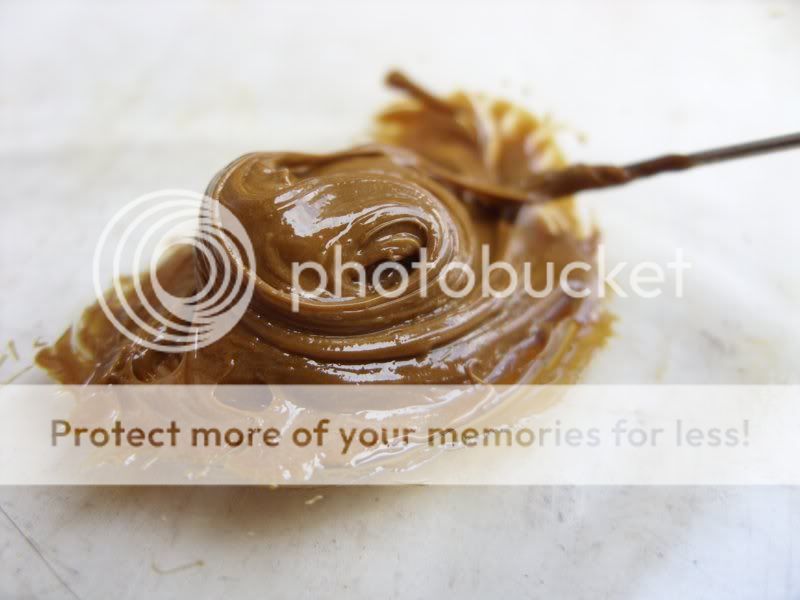
This is part of an ongoing experiment, it will be updated as the experiment progresses.
The aim of this experiment is to yeild pure mescaline without using non-polar solvents - and preferably keeping chems used to naturals.
Cactus tea was prepared from 1.44kg of fresh torch, it smiled back as it should(stated in my cactus jelly tek - Phlux-'s Cactus Jelly Tek - Preparation - Welcome to the DMT-Nexus )
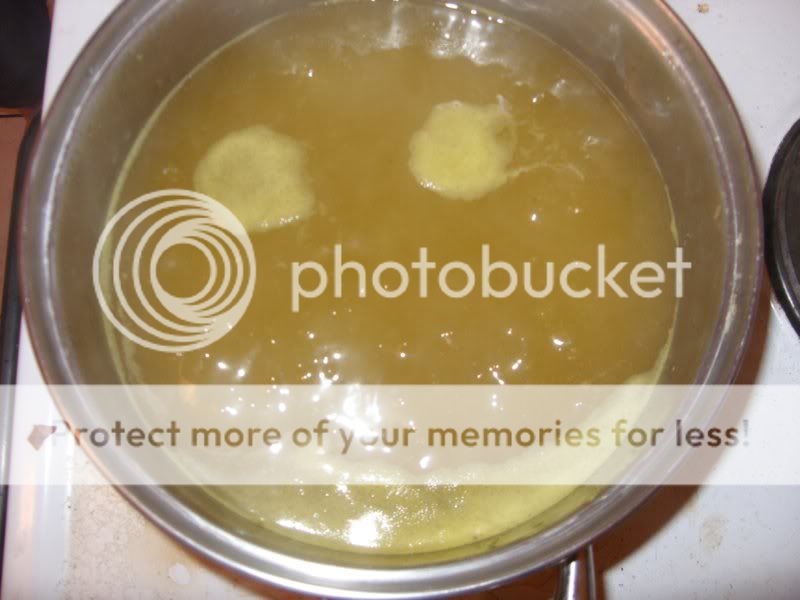
The tea was filtered then reduced
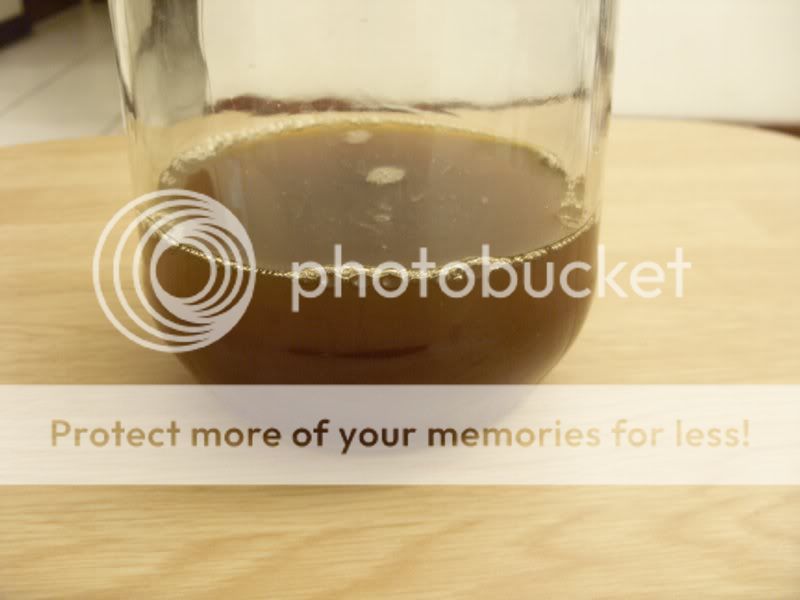
Acetone was then added to the tea

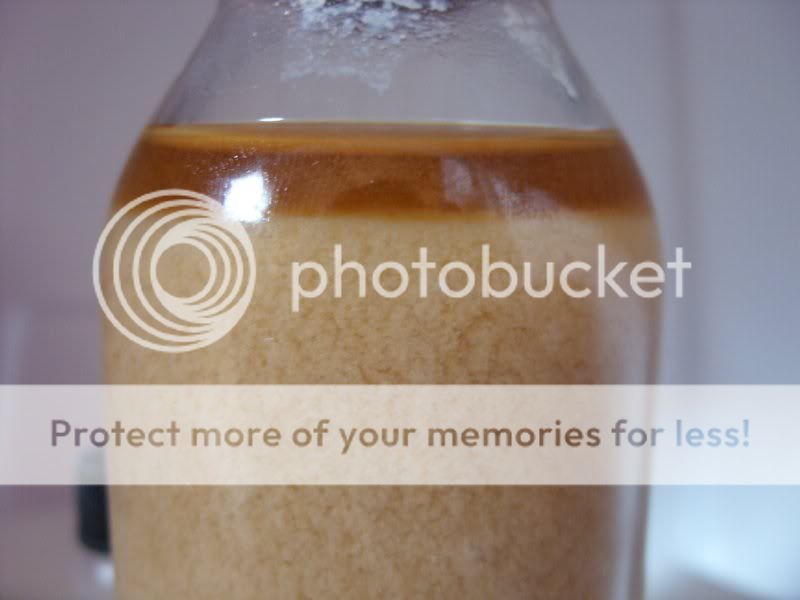
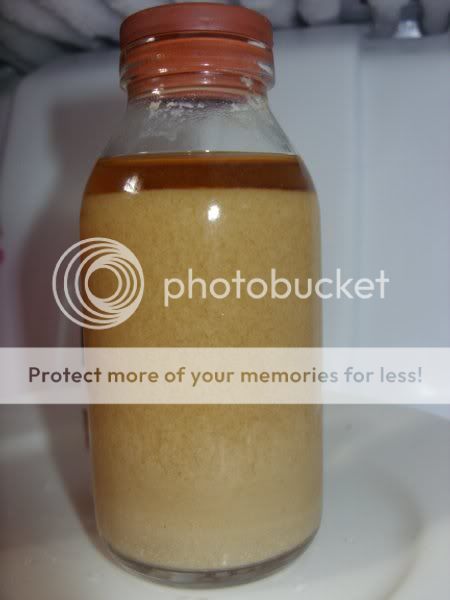
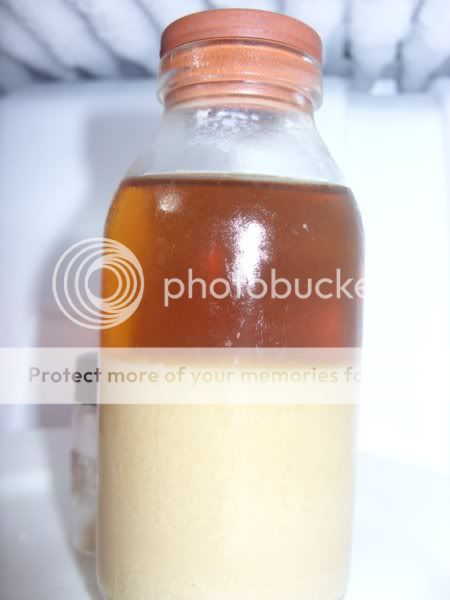
instantly the acetone caused precipitation, so it was stirred
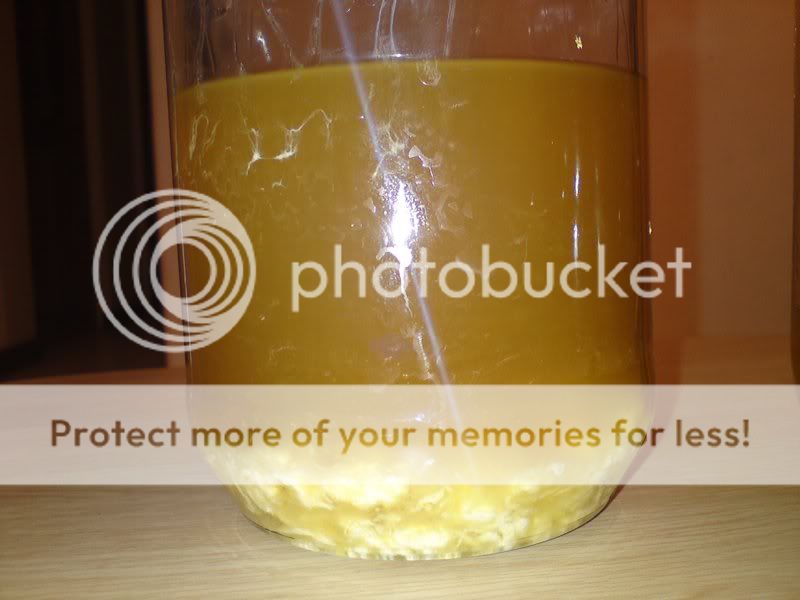
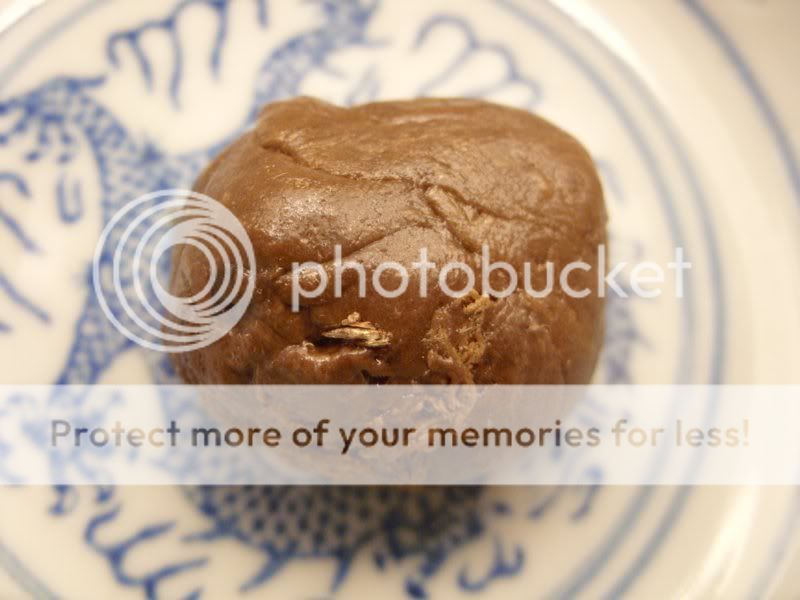
the massive amounts that immediatley precipped were solid and stuck together enough to use a spoon to remove them from the tea
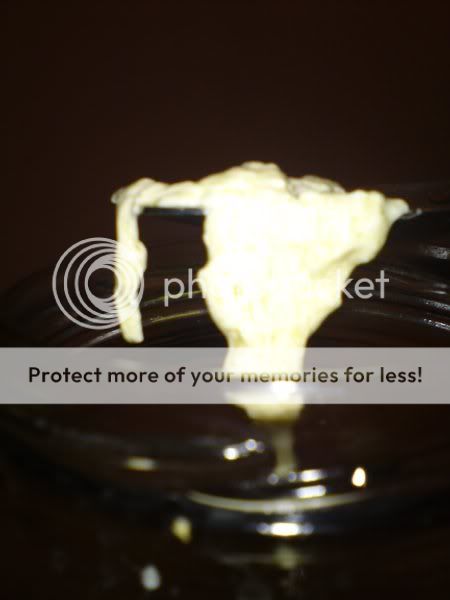
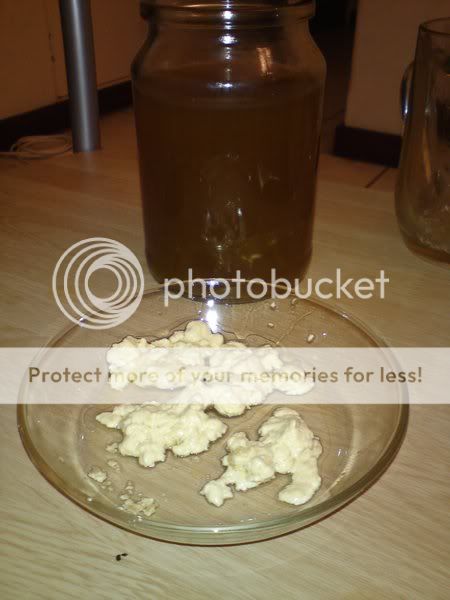
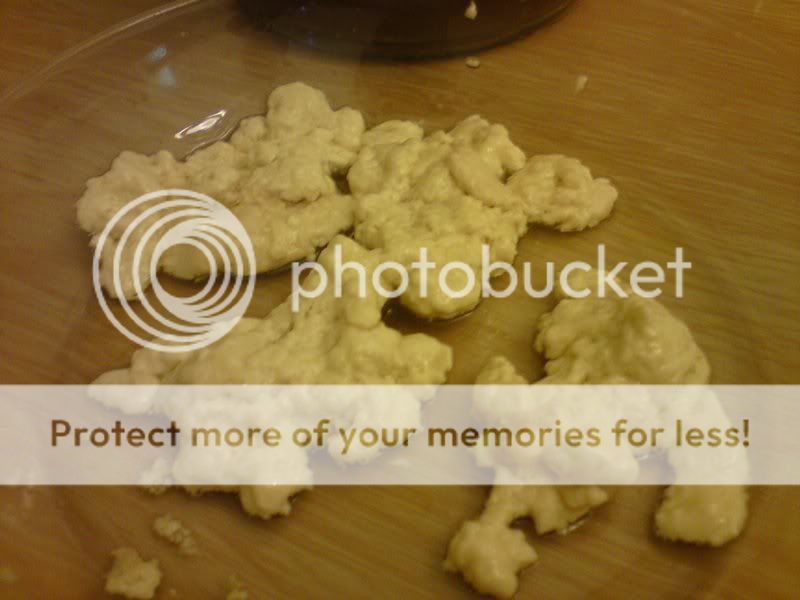
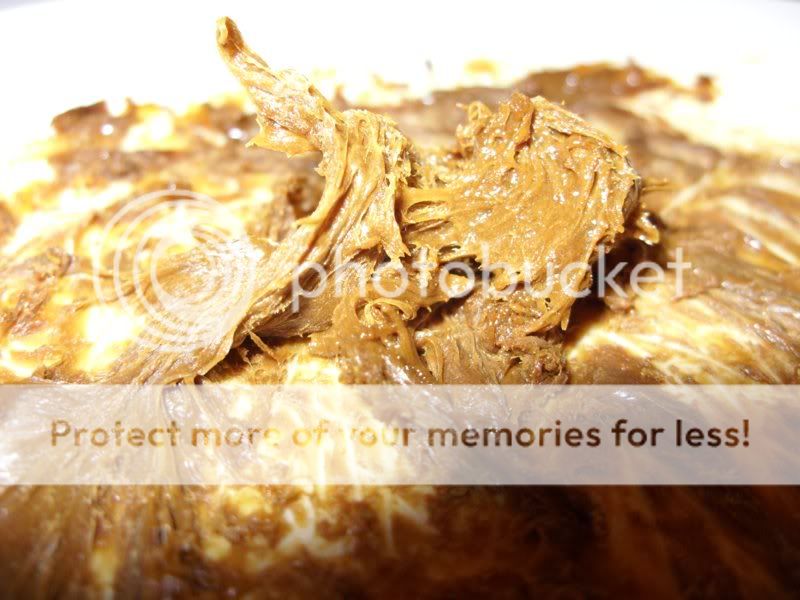
this was dried to yeild

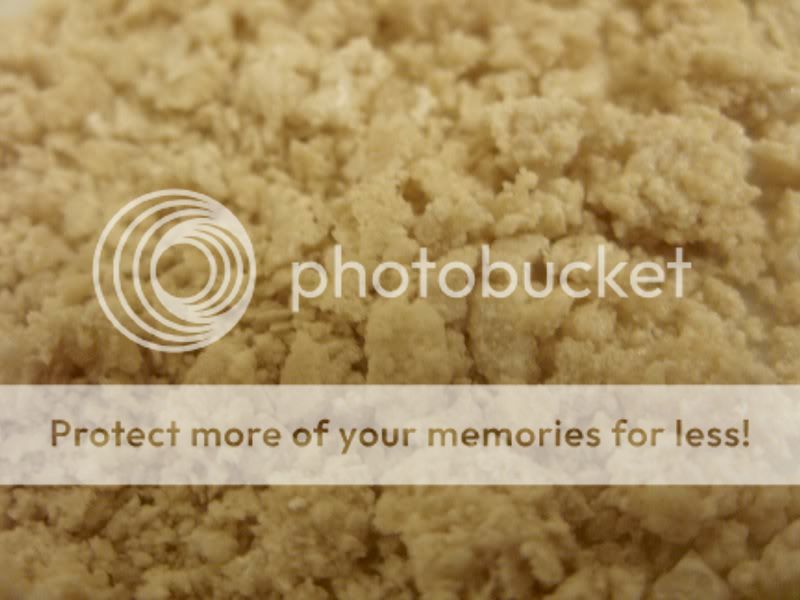
this precipitate was tasted and didnt taste much like mescaline at all - its almost tasteless - perhaps a tad of mesc caught in there from the speed of precip
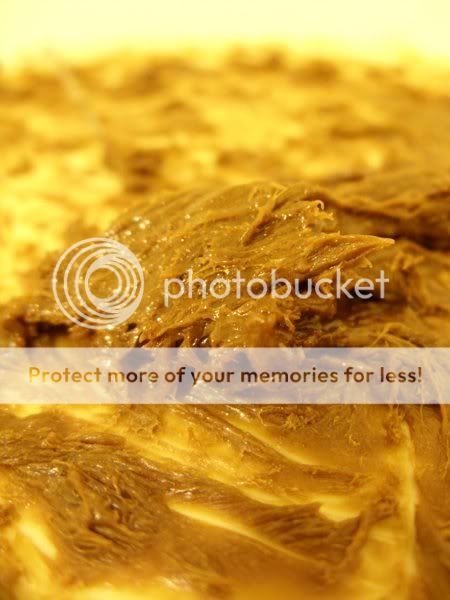
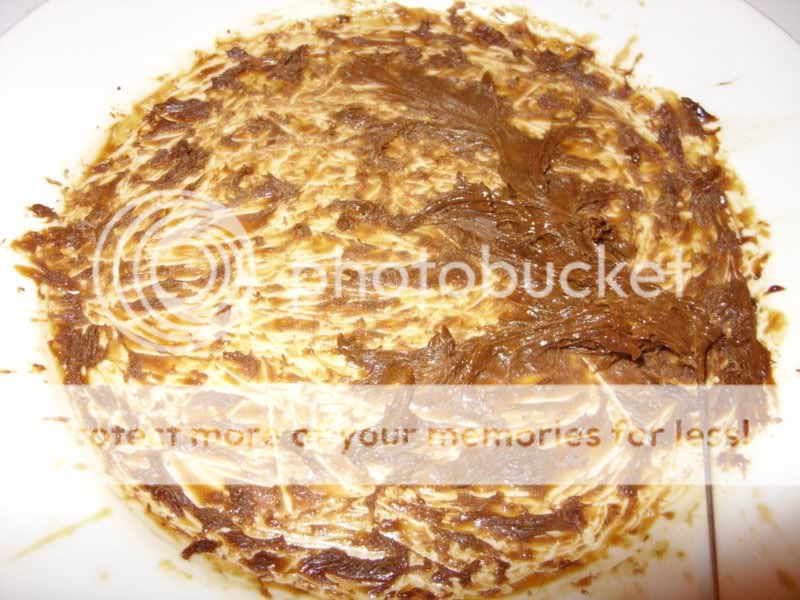
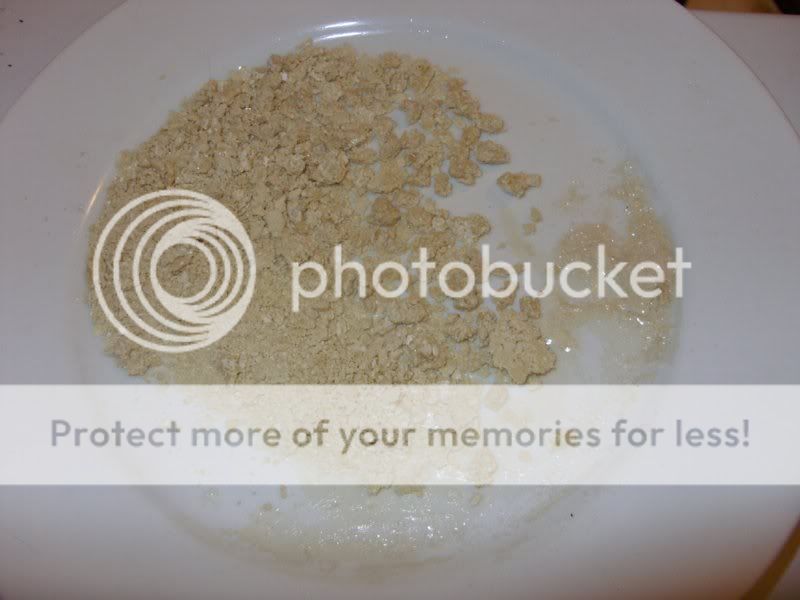
the precip was washed with water and filtered, a thick solid film formed on the plate and was scraped up to yeild very shiny xtals
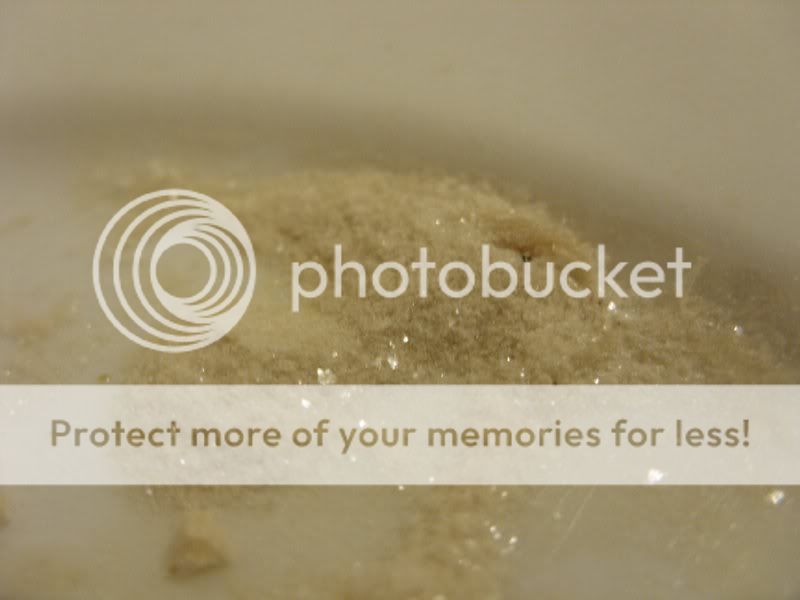
water re-x'd on the right side of the plate - the rest of the uncleaned precip on the left
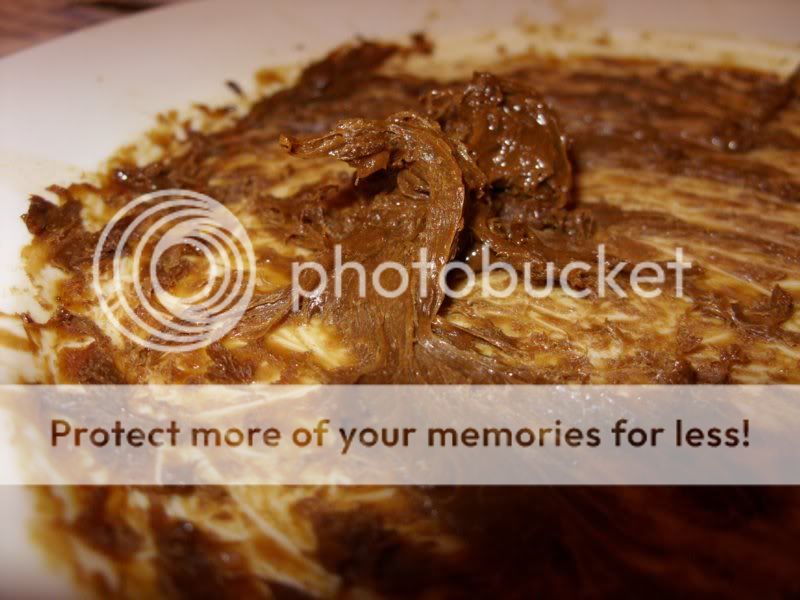
after precipitation the tea was watery, not syrupy at all, it was filtered with ease then evapped to yeild the bitterest tasting resin ever with a smell of caramelized sugar


the resin was washed with acetone - not much changed the acetone went yellow and something came off - not much tho - no change in color.
then it was washed with ipa and it turned into a beige powder when under the ipa, when it was dried off it instantly changed color back to dark, allthough when scraped, white appears on the surface.
The resin was then washed in mek
i beleave the mescaline is still in the resin and there is another alkaloid that is hygroscopic as hcl as the resin wets itself in a few hours.
i think the precipitate is cellulose, cellulose is water insoluble but suspends well in it and is able to pass thru certain filters.
the fact that the water purified filtered cellulose looks so much like mescaline explains this question i posted a few days ago on mescaline xtal structure ( Mesc types or stubborn contam - Preparation - Welcome to the DMT-Nexus )
found this here - http://www.patentstorm.us/patents/4042720/description.html
------------------
Reference has been made to use of the cellulosic fiber as a stabilizer in various food products and formulations. In addition to being hydrophilic, it has the ability to absorb sugar syrup. Thus when the fiber is used in formulations having asubstantial amount of sugar syrup, during concentration by evaporation the fiber absorbs syrup simultaneously with concentration in a single cooking cycle (e.g., from 50 to 80 Brix in less than 1 hour). The resulting product is stabilized by the cactuscellulosic fiber, in that body is imparted which is retained for prolonged periods. When such impregnated fiber is used as a filling for bakery products, the physical form is retained during exposure to baking temperatures, and migration of moisturefrom the stabilized form to the adjacent cooked dough or batter is minimized, whereby moist eating properties are retained over extended periods of storage. Also when blended with a dough (e.g., 25% dry solids basis) it serves to reduce dough spreadduring baking and imparts moisture retention and chewey eating properties that likewise are retained over extended periods of storage.
-----------------
if this precip really is cellulose then it may serve as a good encapsulating material - as in the cellulose is melted down into transparent or colored sheets and mesc doses placed in pre-cut envelopes made from this.
im not quite certain how to separate the other alkaloids
I think this tek could lead to a total yeild as salting a nonpolar solvent containing freebase mescaline and pulling with hcl water seems to cause some degridation that can cause an apparent 50% loss, in comaprison to gassing with hydrogen chloride.
The aim of this experiment is to yeild pure mescaline without using non-polar solvents - and preferably keeping chems used to naturals.
Cactus tea was prepared from 1.44kg of fresh torch, it smiled back as it should(stated in my cactus jelly tek - Phlux-'s Cactus Jelly Tek - Preparation - Welcome to the DMT-Nexus )
The tea was filtered then reduced
Acetone was then added to the tea
instantly the acetone caused precipitation, so it was stirred
the massive amounts that immediatley precipped were solid and stuck together enough to use a spoon to remove them from the tea
this was dried to yeild
this precipitate was tasted and didnt taste much like mescaline at all - its almost tasteless - perhaps a tad of mesc caught in there from the speed of precip
the precip was washed with water and filtered, a thick solid film formed on the plate and was scraped up to yeild very shiny xtals
water re-x'd on the right side of the plate - the rest of the uncleaned precip on the left
after precipitation the tea was watery, not syrupy at all, it was filtered with ease then evapped to yeild the bitterest tasting resin ever with a smell of caramelized sugar
the resin was washed with acetone - not much changed the acetone went yellow and something came off - not much tho - no change in color.
then it was washed with ipa and it turned into a beige powder when under the ipa, when it was dried off it instantly changed color back to dark, allthough when scraped, white appears on the surface.
The resin was then washed in mek
i beleave the mescaline is still in the resin and there is another alkaloid that is hygroscopic as hcl as the resin wets itself in a few hours.
i think the precipitate is cellulose, cellulose is water insoluble but suspends well in it and is able to pass thru certain filters.
the fact that the water purified filtered cellulose looks so much like mescaline explains this question i posted a few days ago on mescaline xtal structure ( Mesc types or stubborn contam - Preparation - Welcome to the DMT-Nexus )
found this here - http://www.patentstorm.us/patents/4042720/description.html
------------------
Reference has been made to use of the cellulosic fiber as a stabilizer in various food products and formulations. In addition to being hydrophilic, it has the ability to absorb sugar syrup. Thus when the fiber is used in formulations having asubstantial amount of sugar syrup, during concentration by evaporation the fiber absorbs syrup simultaneously with concentration in a single cooking cycle (e.g., from 50 to 80 Brix in less than 1 hour). The resulting product is stabilized by the cactuscellulosic fiber, in that body is imparted which is retained for prolonged periods. When such impregnated fiber is used as a filling for bakery products, the physical form is retained during exposure to baking temperatures, and migration of moisturefrom the stabilized form to the adjacent cooked dough or batter is minimized, whereby moist eating properties are retained over extended periods of storage. Also when blended with a dough (e.g., 25% dry solids basis) it serves to reduce dough spreadduring baking and imparts moisture retention and chewey eating properties that likewise are retained over extended periods of storage.
-----------------
if this precip really is cellulose then it may serve as a good encapsulating material - as in the cellulose is melted down into transparent or colored sheets and mesc doses placed in pre-cut envelopes made from this.
im not quite certain how to separate the other alkaloids
I think this tek could lead to a total yeild as salting a nonpolar solvent containing freebase mescaline and pulling with hcl water seems to cause some degridation that can cause an apparent 50% loss, in comaprison to gassing with hydrogen chloride.

 nice even numbers (and 12 is my favorite number)