
timothylearysdead
Rising Star
Surrealism
Surrealist Manifesto:
 en.wikipedia.org
Psychic automatism in its pure state, by which one proposes to express -- verbally, by means of the written word, or in any other manner -- the actual functioning of thought. Dictated by the thought, in the absence of any control exercised by reason, exempt from any aesthetic or moral concern.
en.wikipedia.org
Psychic automatism in its pure state, by which one proposes to express -- verbally, by means of the written word, or in any other manner -- the actual functioning of thought. Dictated by the thought, in the absence of any control exercised by reason, exempt from any aesthetic or moral concern.
Surrealism:
 en.wikipedia.org
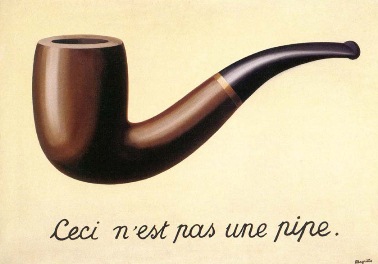
Freud's work with free association, dream analysis, and the unconscious was of utmost importance to the Surrealists in developing methods to liberate imagination. They embraced idiosyncrasy, while rejecting the idea of an underlying madness. Later, Salvador Dalí explained it as: "There is only one difference between a madman and me. I am not mad.
en.wikipedia.org
Freud's work with free association, dream analysis, and the unconscious was of utmost importance to the Surrealists in developing methods to liberate imagination. They embraced idiosyncrasy, while rejecting the idea of an underlying madness. Later, Salvador Dalí explained it as: "There is only one difference between a madman and me. I am not mad.
Beside the use of dream analysis, they emphasized that "one could combine inside the same frame, elements not normally found together to produce illogical and startling effects." Breton included the idea of the startling juxtapositions in his 1924 manifesto, taking it in turn from a 1918 essay by poet Pierre Reverdy, which said: "a juxtaposition of two more or less distant realities. The more the relationship between the two juxtaposed realities is distant and true, the stronger the image will be -- the greater its emotional power and poetic reality."
Surrealist Automatism:
 en.wikipedia.org
Surrealist automatism is different from mediumistic automatism, from which the term was inspired. Ghosts, spirits or the like are not purported to be the source of surrealist automatic messages.
en.wikipedia.org
Surrealist automatism is different from mediumistic automatism, from which the term was inspired. Ghosts, spirits or the like are not purported to be the source of surrealist automatic messages.
"Pure psychic automatism" was how André Breton defined surrealism, and while the definition has proved capable of significant expansion, automatism remains of prime importance in the movement.
The Global Refusal manifesto, in which the artists called upon North American society (specifically in the culturally unique environment of Quebec), to take notice and act upon the societal evolution projected by these new cultural paradigms opened by the Automatist movement as well as other influences in the 1940s.
Automatic Writing:
 en.wikipedia.org
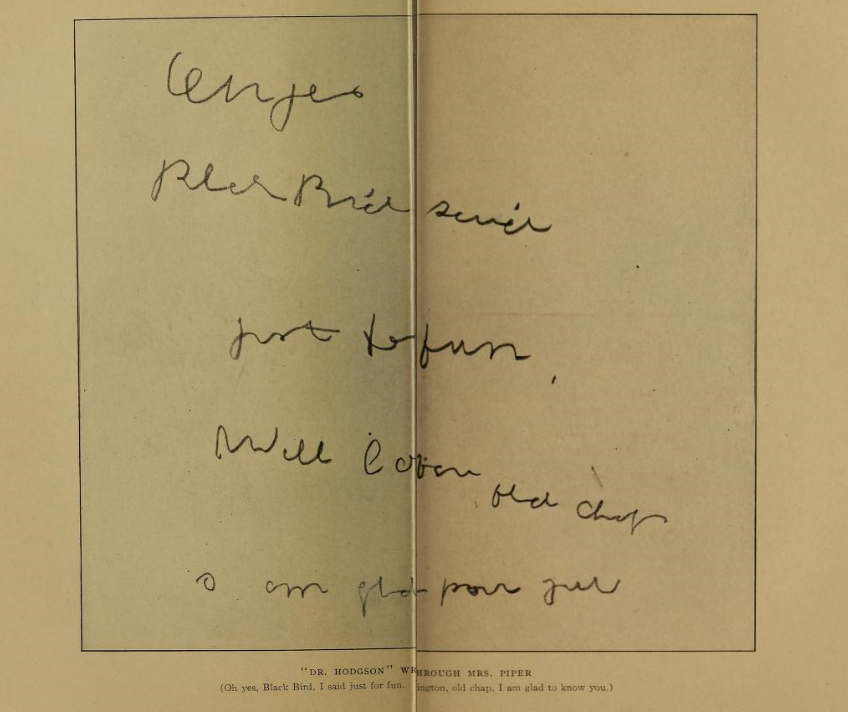
Automatic writing or psychography is writing which the writer states to be produced from a subconscious, and/or external and/or spiritual source without conscious awareness of the content.
en.wikipedia.org
Automatic writing or psychography is writing which the writer states to be produced from a subconscious, and/or external and/or spiritual source without conscious awareness of the content.
The New Revelation (1918) wrote that automatic writing occurs either by the writers subconscious or by external spirits operating through the writer. As a spiritualist Doyle chose to believe in the spirit hypothesis. Many psychical researchers however such as Thomson Jay Hudson have claimed that no spirits are involved in automatic writing and that the subconscious mind is the explanation.
---
If we consider that the individual's subconscious and conscious mind COMBINED is responsible for producing every sentence that we write:
Is it possible to READ more into peoples' words by READING them with balanced state of mind; between conscious and unconscious thoughts?
A dream/awake state, for instance? Could one then gain an understanding of another's subconscious mind just by looking at the words that they have written?
Could one conceivably emulate the thinking processes of another person - simply by UNDERSTANDING everything that they wrote?
Could these concepts be directly relevant towards gaining an understanding of the psychedelic experience?
Could a temporary adoption of beliefs allow one to read something in a new light; so that it made perfect sense? Perhaps viewpoints are not fixed at all.
Maybe psychedelics allow us to change our minds through the power of thought alone?
I would be very interested to hear peoples opinions on this.
Perhaps these are simply outdated and superstitious concepts; irrelevant to the modern technological world?
Surrealist Manifesto:
Surrealist Manifesto - Wikipedia
Surrealism:
Surrealism - Wikipedia
Beside the use of dream analysis, they emphasized that "one could combine inside the same frame, elements not normally found together to produce illogical and startling effects." Breton included the idea of the startling juxtapositions in his 1924 manifesto, taking it in turn from a 1918 essay by poet Pierre Reverdy, which said: "a juxtaposition of two more or less distant realities. The more the relationship between the two juxtaposed realities is distant and true, the stronger the image will be -- the greater its emotional power and poetic reality."
Surrealist Automatism:
Surrealist automatism - Wikipedia
"Pure psychic automatism" was how André Breton defined surrealism, and while the definition has proved capable of significant expansion, automatism remains of prime importance in the movement.
The Global Refusal manifesto, in which the artists called upon North American society (specifically in the culturally unique environment of Quebec), to take notice and act upon the societal evolution projected by these new cultural paradigms opened by the Automatist movement as well as other influences in the 1940s.
Automatic Writing:
Automatic writing - Wikipedia
The New Revelation (1918) wrote that automatic writing occurs either by the writers subconscious or by external spirits operating through the writer. As a spiritualist Doyle chose to believe in the spirit hypothesis. Many psychical researchers however such as Thomson Jay Hudson have claimed that no spirits are involved in automatic writing and that the subconscious mind is the explanation.
---
If we consider that the individual's subconscious and conscious mind COMBINED is responsible for producing every sentence that we write:
Is it possible to READ more into peoples' words by READING them with balanced state of mind; between conscious and unconscious thoughts?
A dream/awake state, for instance? Could one then gain an understanding of another's subconscious mind just by looking at the words that they have written?
Could one conceivably emulate the thinking processes of another person - simply by UNDERSTANDING everything that they wrote?
Could these concepts be directly relevant towards gaining an understanding of the psychedelic experience?
Could a temporary adoption of beliefs allow one to read something in a new light; so that it made perfect sense? Perhaps viewpoints are not fixed at all.
Maybe psychedelics allow us to change our minds through the power of thought alone?
I would be very interested to hear peoples opinions on this.
Perhaps these are simply outdated and superstitious concepts; irrelevant to the modern technological world?


