[H3 id='Getting+to+Know+Each+Plant']Getting to Know Each Plant[/H3]
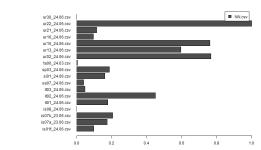
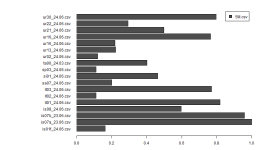
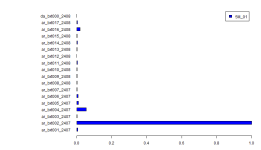
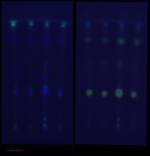
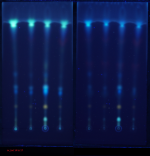
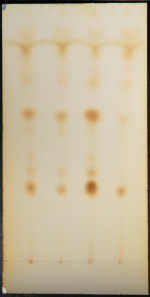
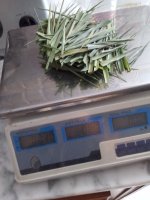
To fully understand each plant's properties, we conduct multiple TLC analyses throughout the growing season, along with a final bioassays to verify their psychedelic potential and ensure they are non-toxic. Unfortunately, there is currently no method for rapid phenotyping, meaning that each plant requires a significant investment of time and effort.
[H3 id='Introducing+a+Clone+Many+of+You+Will+Appreciate']Introducing a Clone Many of You Will Appreciate[/H3]
We've identified a clone with several desirable traits:
- Alkaloids: 5-MeO-DMT-dominant, potent, stable, and verified non-toxic through bioassays.
- Climate: Thrives in USDA Zone 7 climates and above.
- Appearance: Dark green leaves with blood-red sap and upright growth.
- Origin: Israel-Lebanon border region.
[H3 id='Discovering+Even+Higher-Yielding+Clones']Discovering Even Higher-Yielding Clones[/H3]
We've also identified other promising 5-MeO-DMT-dominant
P. aquatica clones, many of which are still young and small. These clones will require further testing and bioassays before they can be considered for final approval.
[H3 id='Our+Most+Valuable+Seedling']Our Most Valuable Seedling[/H3]
N,N-DMT-dominant
P. aquatica plants with yields sufficient for psychedelic use are exceedingly rare. After extensive efforts, we've found only one seedling with a peak yield that might already be usable. A long journey lies ahead to fully understand this precious seedling.
There are also a few older N,N-DMT-dominant clones with yields significantly above average. These have been cloned, distributed, and are currently under investigation.
[H3 id='Suspension+of+Seed+and+Clone+Distribution']Suspension of Seed and Clone Distribution[/H3]
- We cannot yet provide dosage guidelines for Phalaris aquatica, as certain plants may have alkaloid peaks far exceeding baseline levels. In some cases, less than 500mg of dried leaves could pose a risk of overdose to untrained users.
- Cultivating P. aquatica from seeds is more challenging than anticipated, with several failed attempts observed among novice growers.
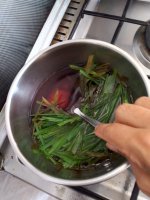
- Similarly, extracting alkaloids from Phalaris requires specialized techniques, and we've seen numerous unsuccessful attempts by lay users, leading to frustration.
For these reasons, we have decided to limit our collaboration to experienced individuals with the necessary commitment and capability to contribute to the research process. Applications or requests from lay users will no longer be accepted.