Major Milestone: Base Breedline Seeds from the Breeding Programme Now Available for release
Dear Phalaris enthusiasts
Today marks a significant milestone in our breeding programme. After years of systematic selection, chemical profiling, and careful cultivation, we are proud to announce that the first seeds from our base breedline are now available for release.
This is the foundation upon which our future DMT and 5-MeO-DMT cultivars are currently being built—and we're making it available to the community.
---
The Breedline: Three Distinct Chemical Types
The seeds now available for release represent a base breedline population.
This is not yet a stabilized cultivar, but rather the foundational population from which our future cultivars will emerge.
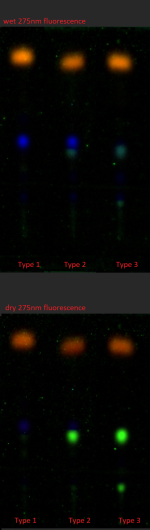
This breedline contains three distinct chemical types:
Research - The nexian phalaris breeding programme
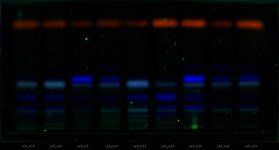
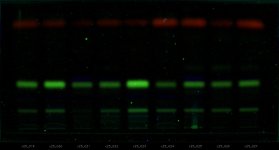
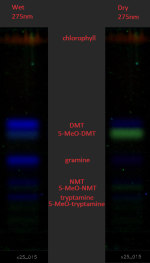
Type 1 – DMT-Dominant: High DMT content this is the cleanest chemotype within the breedline population.
Type 2 – 5-MeO-DMT-Dominant: High 5-MeO-DMT content, no DMT (often contains a small ratio of 5-meo-nmt)
Type 3 – Balanced/Mixed: Contains both DMT and 5-MeO-DMT in varying ratios (no 5-meo-nmt) if you're into mixing DMT with 5-meo-dmt this is the only botanical source that reliably contains both. (a favorite of mine)
All three types have been preselected for high yield—there are no low-yielding genetics in this population. If you grow and extract from this seed population, you'll obtain a mix of all three types.
If you have access to TLC (or can send single-clone samples for analysis), you can select specific DMT or 5-MeO-DMT clones with very low to non-existent gramine content. The entire breedline population is already notably low in gramine (strong selection pressure was applied to remove Gramine), with only a minority of outlier clones showing high concentrations.
---

Release Information
-What's Available: Base breedline seeds (mixed population containing all three chemical types)
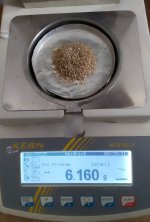
- Quantity: Limited initial release (6.1g which equates to roughly 6100 seeds) First come, first served
- How to order: DM me
---
#

Important Disclaimers
1. For Research Purposes Only: These seeds are being distributed exclusively for research, educational purposes
2. Chemotype Variability: This is a base breedline, not a stabilized cultivar. Individual plants will vary in their chemical profiles. TLC analysis is essential for identifying and selecting specific chemotypes.
---

Looking Forward
This seed release is just the beginning. We envision:
- Community-driven selection: Researchers growing and selecting their own preferred chemotypes.
- Future cultivar releases: Stabilized DMT and 5-MeO-DMT cultivars from this base population
- Expanded collaboration: More data, more analysis, and deeper understanding of this remarkable species
---

Acknowledgments
This milestone would not have been possible without the collective effort, data sharing, and constructive dialogue of this community. Thank you to everyone who has contributed observations, TLC analyses, and thoughtful discussion over the years.
---
To place an order or inquire further, drop a DM and I'll try to respond as soon as I can.
Seeds of segregated DMT and 5-meo-dmt breedlines will be available Next spring! We look forward to seeing where this next chapter of our research takes us.