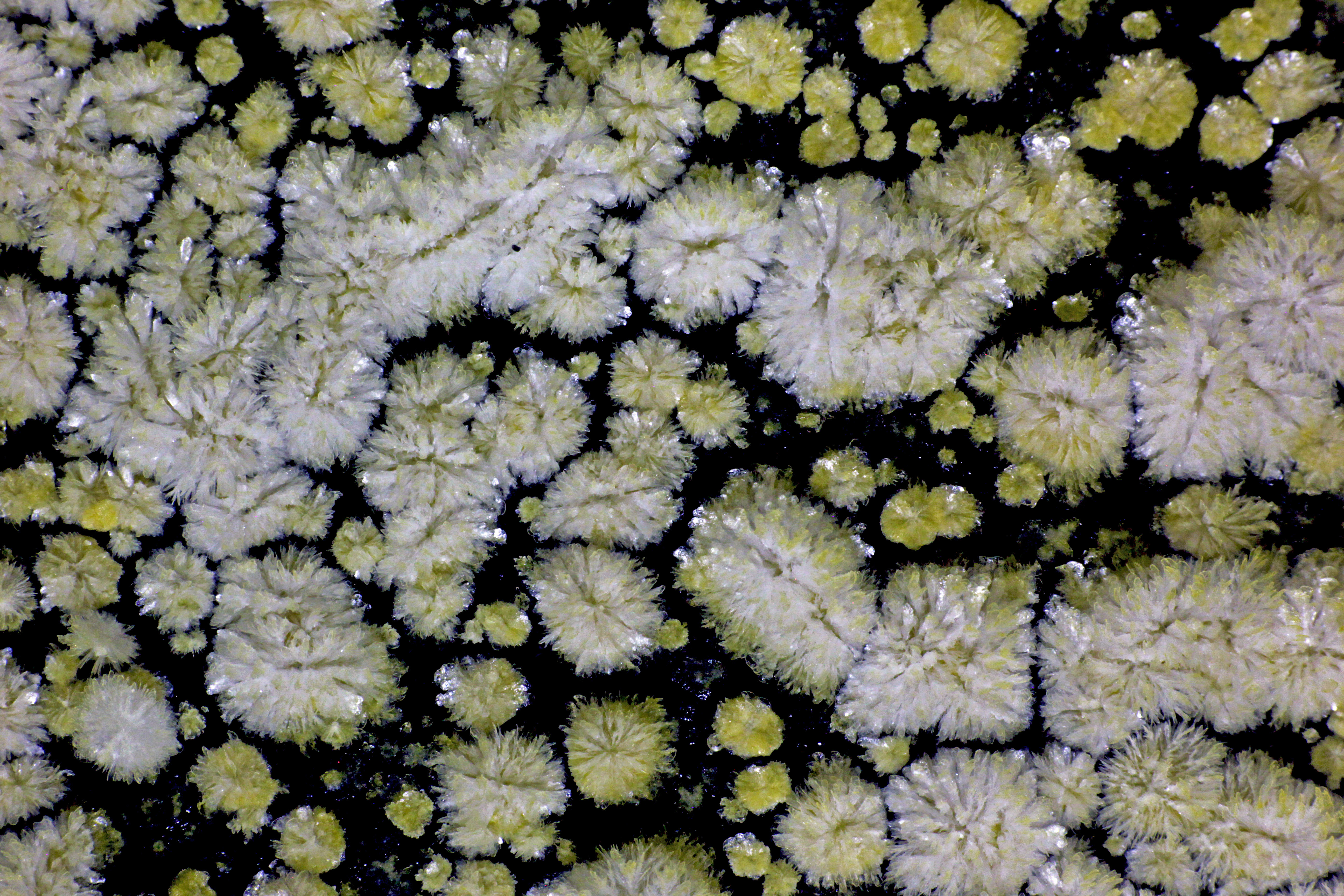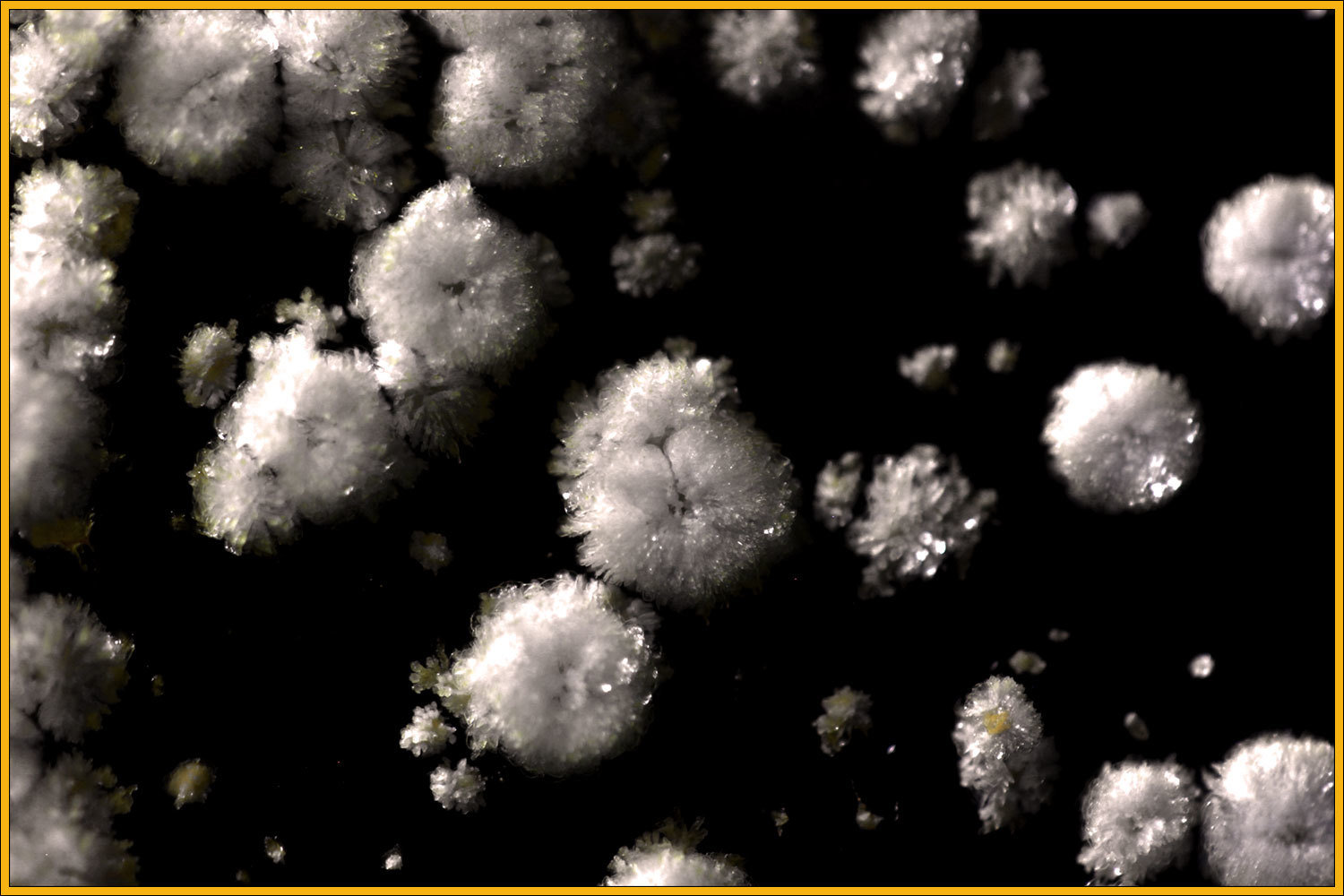


Let's calm it down please.
Please remove any personally identifying information.
One love
Please remove any personally identifying information.
One love

OrangeEnergy said:'Your' tec is nothing more than a copying of the other excellent A/B tecs, with a few pictures, one of which has your face in. Thought you might want to remove that. Fairly basic rule of not identifying yourself on an anonymous forum dealing with illegal substances.
Toshido said:This first version draws loosely from the below TEKS.
Cybs Hybrid ATB Salt Tek
Psilosopher?'s ATB Tek
Cybs Max Ion Tek
Earthwalker's ACRB Tek
Thanks to....
sauSage,Artificer,TheSofaTraveler,Jacubey,CosmicLion,JungleHeart,endlessness,KingTryptamine,downwardsfromzero,The Traveler,Hailstorm, and benzyme for your kindness, patience, and guidance. Your self discipline throughout my constant barrage of questions is something that will most certainly be paid forward indefinitely and immeasurably.

Hi guys,
in step 4 how long I have to do turn on the hot plate and magnetic stirrer?
in step 5 how long I have to turn on the magnetic stirrer 1000rpm?
because I don't find thank you
^This information should allow you to extrapolate a sensible value. A few minutes should suffice. Maybe ten minutes for mixing with the naphtha, but even that's a fairly generous amount.Total Estimated Tek Time: 2 Hours

Hey Animaus, it sounds like you don't really understand the concepts at play here.Just curious on your step 6. Your tek says stir 1 minute, settle 1 minute, pull (repeat 4 more)
But I noticed Cyb’s Hybrid ATB says to stir/settle 5x, THEN pull. (repeat 4 more)
Do you think there would be any difference?


Welcome back!Toshido here! Having a hard time recovering my old account, but cool that someone dug this up and followed the TEK! I'll be continuing my extraction runs and tweaking more variables to see if I can pull more out of the bark yield wise!

Fast Evap: - After pulling your hot NPS from your flask into your measuring cylinder and then decanting the solvent into your crystallization dish, you can place it back on your hot plate (no magnetic stirrer needed this time) to further reduce your solvent volume. When Naphtha is hot, it evaporates quickly. It's boiling point is 98C (so don't over do it, keep it at 70C-75C. To aid in evaporating your hot solvent, you can add a small fan to be placed next to the crystallization dish with the fan pointing upwards in order to create a vortex to push hot air out and up. Once your solution is down to about 75ml it's safe to turn off the hotplate, as it will continue to evap as it cools to room temperature. After that, start your slow freeze supplemental procedure.
[PLEASE NOTE THAT QUICKLY EVAPORATING SOLVENTS INDOORS CAN BE DANGEROUS, I TOOK THIS PICTURE FOR THE TEK, BUT REST ASSURED THE HOTPLATE, DISH WITH SOLVENT, AND FAN ARE MOVED TO A WINDOW TO BE SAFELY BLOWN OUTSIDE.]
Hi, welcome to your first post!
To address your questions in order:
- The temperature fluctations during the acidic brewing phase should be of little consequence.
- Regarding solvent temperature:
- This seems to imply you'll be pulling from a hot solution, but the exact temperature varies with personal preference as well as with the exact properties of your particular batch of solvent. Somewhere between room temperature and 70°C should get you satisfactory products. Lower temperatures typically produce whiter spice, however.
- Adding naphtha to warm 'soup' rapidly equlibrates in the direction of the aqueous phase, since the specific heat capacity of water is significantly higher than that of naphtha. Similarly, cold soup would rapidly cool down hot naphtha.
 And the elaborate answer. Very helpful.
I've never boiled my acidic solution or my basic solution so that may be too hot. As far as adding base, the rule is 1:1 so 50g MHRB to 50g NaOH, 50mL is what you should be aiming for when pulling solvent, it doesn't matter if the solvent is saturated, it just takes longer for it to evaporate if you want to fast evap before freeze precipitation, and 1200RPM is a bit too high for mixing, you're at the thresh hold and gonna get emulsions that way, which makes pulling a lot harder. Hope this helps.Thank you for the warm welcome
So, she did another extraction with several modifications, and it was successful. However, since she didn't change only one variable, but several, this reply might be not very clarifying. For this extraction, the following was done differently:
This produced a decent result, with about 0.7% pulled in the first three pulls. Later more pulls were performed, with good results, but they haven't been weighed yet.
- Boiled the root for half hour, instead of trying to keep a constant lower temperature.
- Added more base, to be sure the solution would be basic enough.
- Used smaller amounts of NPS for extractions - around 30ml/pull to achieve higher saturation.
- Performed all extractions at ˜60-75C for 30mins stirring at 1200RPM.