Excellent topic, considering the issue of Jesus, I really like the vision that The Urantia Book gives us. I don't know if everyone knows the story of how The Urantia Book came into being, but it is a revealed book, which in Sanskrit is characterized as a Shruti-type scripture, that is, one that was heard directly from the gods, in contrast to the Smriti-type scriptures, which are those remembered and taken from previous teachings. The difference would be like the Rigveda (shruti) to the Upanishads (smriti). Considering the entire history of the Bible, it seems today to be more of the Smriti type, and therefore more prone to errors of interpretation.
I am quite skeptical and have a scientific background in psychology, so I do not defend The Urantia Book blindly, but after studying it for 20 years, I consider that it has an internal consistency of such vast and cosmic subjects that I consider it today a Shruti-type scripture.
Okay, but what does The Urantia Book have to do with the discussion about Jesus using entheogens? The book mentions that Jesus was a scribe versed in several languages, and the Levant region was right in the middle of the largest trade routes. This led to Jesus being invited by a father and son, prosperous merchants from India, to travel to the capital of the world, Rome, to serve as their personal translator (a very good job for the time, as you can imagine).
This entire trip is very well documented in the book, with all of Jesus' visits to the cities of Alexandria, Carthage, Crete, Malta, Athens, Babylon, Ur, and Rome. The largest cities in the world at the time, with the most brilliant minds and the best official infrastructures for alchemists to work without worries.
130:0.1 (1427.1) THE tour of the Roman world consumed most of the twenty-eighth and the entire twenty-ninth year of Jesus’ life on earth. Jesus and the two natives from India—Gonod and his son Ganid—left Jerusalem on a Sunday morning, April 26, a.d. 22. They made their journey according to schedule, and Jesus said good-bye to the father and son in the city of Charax on the Persian Gulf on the tenth day of December the following year, a.d. 23.
130:0.2 (1427.2) From Jerusalem they went to Caesarea by way of Joppa. At Caesarea they took a boat for Alexandria. From Alexandria they sailed for Lasea in Crete. From Crete they sailed for Carthage, touching at Cyrene. At Carthage they took a boat for Naples, stopping at Malta, Syracuse, and Messina. From Naples they went to Capua, whence they traveled by the Appian Way to Rome.
130:0.3 (1427.3) After their stay in Rome they went overland to Tarentum, where they set sail for Athens in Greece, stopping at Nicopolis and Corinth. From Athens they went to Ephesus by way of Troas. From Ephesus they sailed for Cyprus, putting in at Rhodes on the way. They spent considerable time visiting and resting on Cyprus and then sailed for Antioch in Syria. From Antioch they journeyed south to Sidon and then went over to Damascus. From there they traveled by caravan to Mesopotamia, passing through Thapsacus and Larissa. They spent some time in Babylon, visited Ur and other places, and then went to Susa. From Susa they journeyed to Charax, from which place Gonod and Ganid embarked for India.
Let's be honest, we all feel deep down that this whole story of Jesus and other great personalities using entheogens is true. The fact that Syrian rue is so prolific in their region makes the hypothesis that they were heavy users of the seeds completely plausible. The connection between Acacia and Freemasonry and ancient Egyptian rites, the Greeks always being considered great allies of Egypt, the remnants of witchcraft still present in Romania, the resurgence of interest in healing through plants.
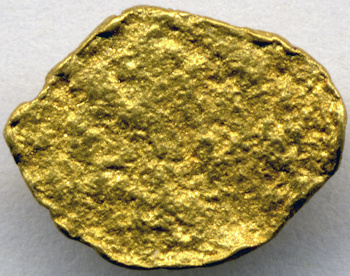
Regarding the gold of immortality that was mentioned, we have the story of the
gold of Ophir, and the main hypothesis is that it came from India or Sri Lanka.
Lots of love