
• Members of the previous forum can retrieve their temporary password here, (login and check your PM).

Evidence of harmala use 2700 years ago

Thanks, dreamer042 has been trying to help. And I had to get a password re-set just to log in again as wira2 now - I used it once and then the system rejected it as an 'invalid password'!
Thanks for your reply, dithyramb - I'll report back if I find that reference to the goat milk in an older post.
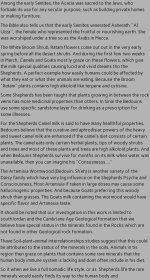
It's this section dithyramb is referring to I believe. Right below the third picture on the right Shamanic/Spirit Desert Plants
 

Attachments

  • Screenshot_20250907_205745_Chrome.jpg
    Screenshot_20250907_205745_Chrome.jpg
    597.6 KB · Views: 7
This dude in Kuwait says he didn't see the harmal plant in 50 years but now he found 3 shrubs and he is putting effort to protect them, so he definitely knows its value. I am keeping an eye on this account bcz they post about desert plants and trees and maybe one day i'll spot an active one.

Caption: harmal. Hraymalan. Hijazi harmal. Pig tree. Afina (spoiled/rotten). Khaysa (bad smell). Anthelmintic and expectorant. For joint inflammation. Appetite stimulant. High doses poisonous. Not for pregnants or gastrointestinal ailments.

He mentions it's above 50° C and flowering, it's visited by bees.
 
In my country, rue doesn't appear to be actively seeking extreme aridity/full on desert conditions. What causes dense populations seems to be an area to be intensely grazed. The livestock don't eat the rue and that leads to very little competition with other plants, and probably there are other benefits too. Also, in arid landscapes, rue clusters around the waterways (depressions that accumulate and carry rain water).
 
In my country, rue doesn't appear to be actively seeking extreme aridity/full on desert conditions. What causes dense populations seems to be an area to be intensely grazed. The livestock don't eat the rue and that leads to very little competition with other plants, and probably there are other benefits too. Also, in arid landscapes, rue clusters around the waterways (depressions that accumulate and carry rain water).
They mention that it is growing in this person's nature reserve where he got about 50 plants, it's likely that he takes care of it.
In the previous video they were showing plants he found growing wild in the kuwaiti desert and he was protecting them by placing large open barrels around the plant.

The harmala plant may not be actively seeking harsh conditions but perhaps like you said there is less competition in those conditions.
 
I would guess there are variances in habitat preference depending on genetics. There are no true deserts in my country, and I visited one of the habitats closest to a desert having very little precipitation and vegetation, and high salinity in the soil. Even there the rues seemed to cluster on waterways and were not found in the most arid areas. Interestingly, they didn't seem water stressed, having large lush growth. I've seen more stressed plants in open steppes with more conservative growth. No sandy habitats here. I would say rue cannot be labelled as a desert plant. Deserts are just part of it's habitat repertoire. It is found in steppes and even Mediterranean elevations here.
 
Last edited:
Back
Top Bottom