..other family Mimosaceae plants covered in that excellent paper [U Kyaw Tun 2006]..(though not much is known about them chemically)
Adenanthera pavonina
Albizia lebbek
Albizia saman (Syn: Samanea saman, Pithecellobium saman, Enterolobium saman, Mimosa saman, Inga saman, Inga salutaris)
Entada phaseoloides
Entada scandens
Entada spp.
and
Mimosa pudica "Sensitive Plant"
Part used and used as:• Alexipharmic. Cures biliousness, leprosy, dysentery, vaginal and uterine complaints, inflammations, burning sensations, fatigue, asthma, leucoderma, small pox, diseases of the blood, piles and fistula. -- UHM
UKT: "The Greek prefix alexi- is rare in English. It is similar to the prefix anti- and means "against". -- Alexipharmic, n. , antidote for poison."
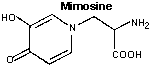
Constituents: • 1. Alkaloid mimosine (28 ). 2. 10% tannin. (3) -- UHM • Structure of Mimosine: www.bio.miami.edu/mimosa/mimosa.html
..the two other acacias looked at were
Acacia farnesiana (world-wide warm climate distribution, orig. native Central America)
[according to tentative tests by associates of Trout, 5meoDMT, DMT and other tryptamines..with near global distribution is likely to be variable and have different forms]
..and Acacia leucophloea (found Myanmar)
below mimosine from M. pudica;
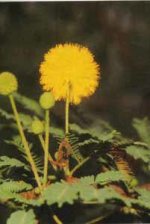
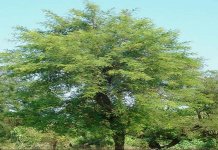
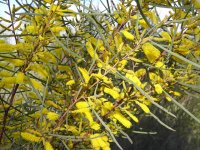
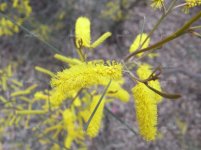
2 images of A. farnensiana in Myanmar;
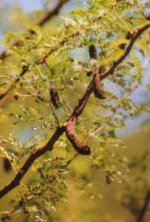
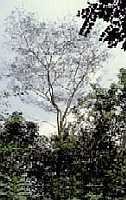
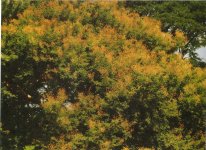
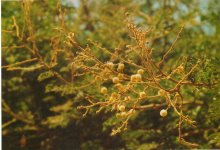
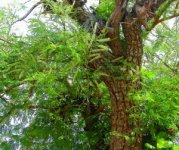
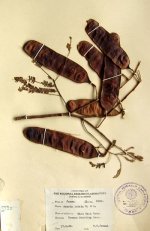
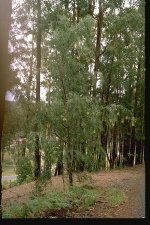
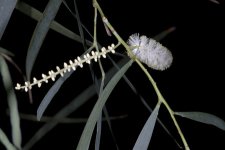
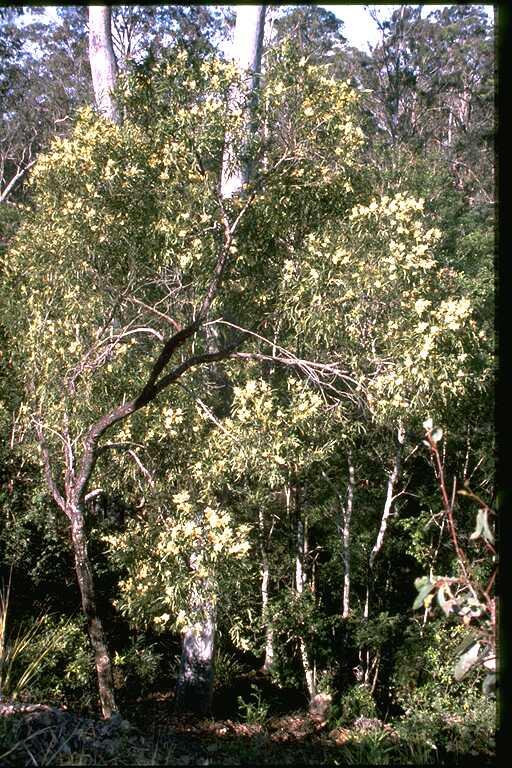
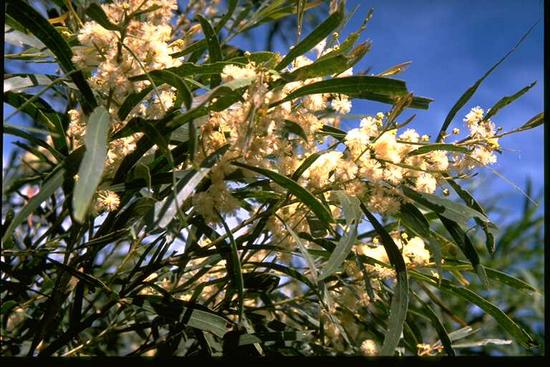
and 3 of the interesting Acacia leucaphloea in Myanmar..
Adenanthera pavonina
Albizia lebbek
Albizia saman (Syn: Samanea saman, Pithecellobium saman, Enterolobium saman, Mimosa saman, Inga saman, Inga salutaris)
Entada phaseoloides
Entada scandens
Entada spp.
and
Mimosa pudica "Sensitive Plant"
Part used and used as:• Alexipharmic. Cures biliousness, leprosy, dysentery, vaginal and uterine complaints, inflammations, burning sensations, fatigue, asthma, leucoderma, small pox, diseases of the blood, piles and fistula. -- UHM
UKT: "The Greek prefix alexi- is rare in English. It is similar to the prefix anti- and means "against". -- Alexipharmic, n. , antidote for poison."
Constituents: • 1. Alkaloid mimosine (28 ). 2. 10% tannin. (3) -- UHM • Structure of Mimosine: www.bio.miami.edu/mimosa/mimosa.html
..the two other acacias looked at were
Acacia farnesiana (world-wide warm climate distribution, orig. native Central America)
Constituents:Burmese-Myanmar transcript names: • {nan:loan°:-kraing} -- TravPo-M-Dict 171 {nan:loan°:-kraing} - n. vachellia, kind of fragrant flower, Acacia farmesiana. English common name used in Myanmar: • Cassie flowers; Sponge tree; Stinking acacia.
Parts used and uses:• Bark -- Metrorrhagia; Pruritis; Bronchitis; Diarrhoea; Dysentery; For the treatment of tooth-ache, toothdecay and pyorrhoea; As an antidote for poisons; Heals carbuncles. Gum -- Aphrodisiac; Gives energy. -- KS-TMN
[according to tentative tests by associates of Trout, 5meoDMT, DMT and other tryptamines..with near global distribution is likely to be variable and have different forms]
..and Acacia leucophloea (found Myanmar)
Burmese-Myanmar transcript names: {hta.nhaung:} -- TravPo-M-Dict 141 {hta.nhaung:} -- n. kind of thorny tree with whitish bark growing in dry regions, Acacia leucaphloea. --
English common name used in Myanmar: • White barked Acacia, White Babool • "White Babul" • UHM : NL.
• Grows wild, common in dry zone plains --
Parts used and uses:
• Bark: Antiseptic; Antipyretic; Oedema; Cough; Emesis; To allay thirst; Burning sensations; Metrorrhagia; Mental disorders; Leprosy. Wood of fresh roots: Rabies -- KS-TMN
Constituents: unknown
below mimosine from M. pudica;
2 images of A. farnensiana in Myanmar;
and 3 of the interesting Acacia leucaphloea in Myanmar..