zombicyckel
Armchair activist
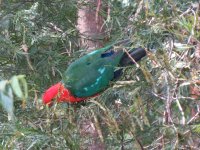
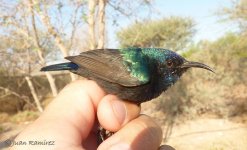
beautiful bird! :O

 thanks acacian.. ..thanks for link, still to read..
..i resonate with and enjoyed that comment..one of the theories of McKenna's which inspired me in the mid 90s was what i dubbed and planned to write an essay on: 'The Plan Of The Plants'..the idea that animals and eventually humans have evolved as an elaborate seed dispersal mechanism for plants..'dreamt' up millions of years ago in anticipation of having the keep the seed of life going, beyond this homeworld, or 'stop-over'..Recently I have been thinking a great deal about the co-evolution of plants and the human mind... Im coming to the conclusion that perhaps we have strayed from the evolutionary path that the plants had in mind for us all along.
and the after-feeling of clarity is worth it alone..
...not so much a visual or auditory entheogen, although there were some visuals, but rather a 'Spatial hallucinogen'...imagine you could 'feel' but not see an Escher world..."
.........................
Known Biochemical Activity
NMT is found as a natural trace component of human urine, along with DMT, 5HT (serotonin), bufotenine and 5methoxy-tryptamine.
Therefore, as is said of DMT, it plays an as yet unknown role in ordinary and essential perceptual, cognitive and conscious function.
It was a potent agonist of 5-Hydroxytryptamine (Serotonin) Receptor Subtype 1A (5HT1A).[2] It showed weak binding affinity to the (5HT2B) receptor, for which more visually orientated hallucinogens such as LSD and psilocybin have greater affinity. DMT differs from these two classic psychedelics in having a much greater binding affinity to the 5HT-7 receptor, for which I'm not sure if NMT has been tested. As I'll mention in a moment, though, all these compounds bind to multiple receptor sites.
NMT is also a strong inhibitor of the enzymes Aldehyde Dehydrogenase 1 (ALDH1A1) and Histone Lysine Methyltransferase G9a,
A recent Journal of Medical Chemistry (2010) paper found that Protein lysine methyltransferase G9a inhibitors inhibit cancer cell growth.[3]
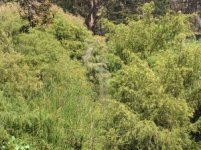
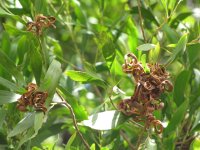
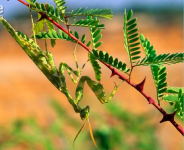
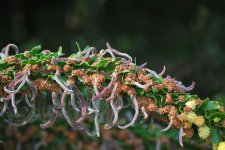
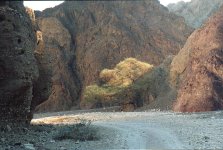
on another note, Ive been studying Acacia Melanoxyln quite closely in the field recently and have noticed a great deal of subtle variance within the structure of the plant indicating hybridization? or sub-habitat effect on growth... Ive worked with this acacia before and got next to nothing... but perhaps it could prove to be dependent on other factors. I remember when I begun this quest the word passed between entheogenic researchers was that longifolia was inactive... which in the long term has not necessarily proven to be completely true at all.
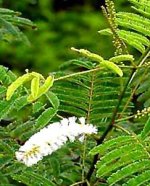

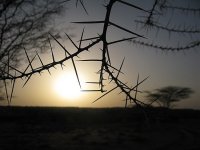
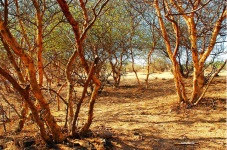
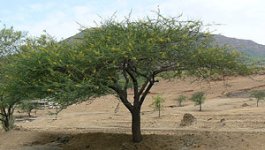
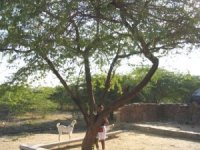
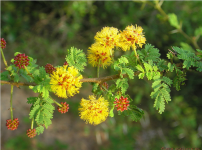
..let all look after All..!An endangered Sumatran tiger was found on the border of PT Arara Abadi, an APP related Acacia plantation in the province of Riau. The tiger died before it could be evacuated. © Greenpeace/Melvinas Priananda

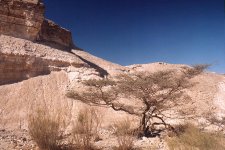
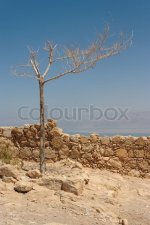
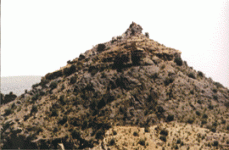
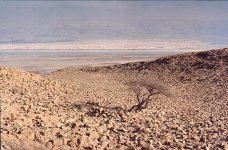
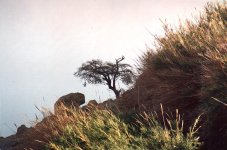
..now, i wonder if deep down, preserved in a crevice are some Essene Medicine Acacia seeds..given the survival drive of the acacia, though, i'd say the trees still looking over Masada are direct relatives..the Israeli seedling may advance medicines and reveal genetic relationships between ancient and modern date palms, experts say.
[http://anoniem.org/?http://www.essene.com/Gospels/GnosticAndSophia.html]In 1950 Doresse tracked down the original site of discovery to Nag Hammadi, 280 miles south of Cairo. Some peasants in the area directed him to the site of the ancient town of Chenosboskion. Its ancient Coptic name, Shenesit, means "acacias of the God Seth".
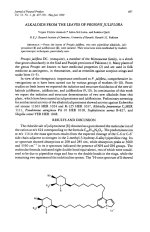
nen888 said:...and a newly described species of 'mesquite' from the United Arab Emirates Prosopis plastifora..
and from the groovy Native American Herbs and Plants of the Southwest MesquiteHoney
Mesquite (Prosopis glandulosa), Screwbean Mesquite
(Prosopis pubescens ) and Velvet Mesquite (Prosopis
velutina).
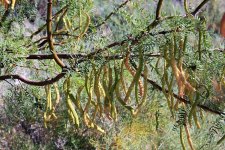
All 3 are deciduous and have characteristic bean pods which have long
been used by humans, wildlife and livestock as a food source. It is
estimated that over 75% of a Coyote's diet in late summer is mesquite
beans.
Native Americans relied on the mesquite pod as a dietary staple from
which they made tea, syrup and a ground meal called pinole. They also
used the bark for basketry, fabrics and medicine. A favorite of bees and
other insects, mesquite flowers produce a fragrant honey.
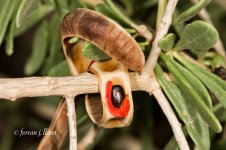
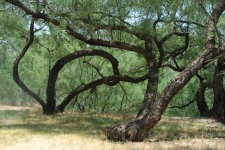
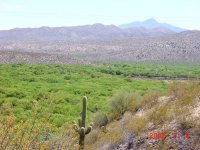
..there's a lot out there on Mesquite..except of course ritual/visionary use..Mesquite is one of the most common desert trees, growing below 5,000 feet in altitude, near washes or at road edges, where it can catch the little extra bit of water that it needs. The leaves are feathery, the branches have strong, straight thorns, and the flowers are attractive, fragrant, yellow catkins. You may collect the leaves, flowers, pod and bark for medicinal use. A tea made from Mesquite is astringent and antibacterial, and is useful internally for diarrhea and GI tract inflammations, ranging from ulcers to colitis. Used externally, the tea makes a good antiseptic wash for any irritated or broken skin injuries.
CAUTIONS:
It is best to make the tea fresh for each use, but can be stored up to 2 weeks under refrigeration.
ALWAYS:
Be sure of the identity of the plant before you use it. If a preparation makes you sick or gives you a rash, don't use it, and throw it away! If your condition does not improve, see your doctor. Be sure to let your physician know EVERYTHING that you are taking!
.